


 Home
Home
Hello, I’d like to know if cocoa butter is truly a healthy fat. Does it raise cholesterol? Is it better than other saturated fats? Can people with heart issues consume it?
Is Cocoa Butter a Healthy Fat or Just Another Saturated Risk?
Related Encyclopedia

- 119369-47-0
- C34H66O3
- 522.88600
- All (0)
- China (0)
- (0)
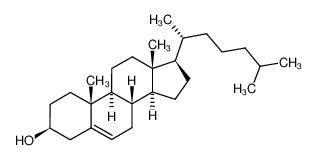
- 57-88-5
- C27H46O
- 386.65400
- All (44)
- China (23)
- (44)
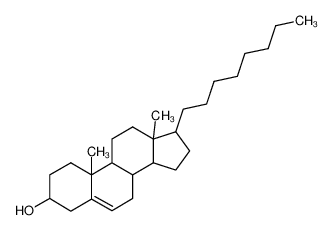
- 80356-14-5
- C27H46O
- 386.65400
- All (44)
- China (23)
- (44)
- 917499-66-2
- C58H116N8O4
- 989.59300
- All (0)
- China (0)
- (0)
- 917499-67-3
- C56H112N8O4
- 961.54000
- All (0)
- China (0)
- (0)

- 112-80-1
- C18H34O2
- 282.46
- All (141)
- China (22)
- (141)
- 141903-93-7
- C17H35N
- 253.46600
- All (141)
- China (22)
- (141)

- 60605-23-4
- C16H32O2
- 256.42400
- All (57)
- China (10)
- (57)

- 66321-94-6
- C16H32O2
- 256.42400
- All (57)
- China (10)
- (57)

- 57-10-3
- C16H32O2
- 256.42
- All (57)
- China (10)
- (57)
Related Products More >

- CNY Request For Quotation
- CNY Request For Quotation
- CNY Request For Quotation
- CNY Request For Quotation
- CNY Request For Quotation
- CNY Request For Quotation
- CNY Request For Quotation
- CNY Request For Quotation


Cocoa butter is composed primarily of saturated and monounsaturated fats, including stearic acid, palmitic acid, and oleic acid. Stearic acid, which makes up about one-third of cocoa butter, is a saturated fat that behaves differently in the body compared to others like palmitic acid—it has been shown to have a neutral effect on blood cholesterol levels. Oleic acid, a heart-healthy monounsaturated fat also found in olive oil, is another major component. This combination suggests that cocoa butter may not be as harmful as other sources of saturated fats.
From a metabolic standpoint, these fatty acids influence lipid profiles, inflammation, and energy balance. While stearic acid is less likely to raise LDL ("bad") cholesterol, palmitic acid may increase cardiovascular risk if consumed in excess. However, the presence of antioxidants in minimally processed cocoa butter may offer some protective benefits.
Clinically, moderate consumption of cocoa butter in dark chocolate or natural food products may not pose health risks for the general population, especially when part of a balanced diet rich in fiber, fruits, and vegetables. However, overconsumption—particularly through highly processed or sugar-laden products—can contribute to weight gain, insulin resistance, and cardiovascular disease. Individuals with existing metabolic conditions should be particularly cautious.
As a recommendation, cocoa butter can be included occasionally in a heart-healthy diet, but other sources of unsaturated fats like avocados, nuts, and olive oil are preferable for routine use. Look for raw or cold-pressed cocoa butter products without added sugars or hydrogenated oils.
Think of fats like a team: some are all-stars (unsaturated fats from avocados, nuts), and some are benchwarmers (trans fats from fried foods). Cocoa butter is like a reliable midfielder—mostly saturated fat (stearic acid), but studies show it doesn’t spike cholesterol like butter or palm oil. Plus, it’s got antioxidants that fight inflammation, kind of like a bonus defense player! ⚽?️
Quick fix: Swap 1 tablespoon of butter or margarine in baking/cooking with cocoa butter. It adds a rich, chocolatey aroma (hello, brownies!) and keeps your fat intake in the “healthy-ish” zone. Just don’t go overboard—it’s still calorie-dense! ??
Why it works: Cocoa butter’s stearic acid is metabolized differently than other saturated fats, so it’s less likely to clog arteries. The antioxidants (like polyphenols) also support skin health and may reduce oxidative stress. Pair it with fiber-rich foods (oats, veggies) to balance the calories and keep your body happy. ??
From a chemical standpoint, cocoa butter is primarily composed of triglycerides—molecules made up of one glycerol backbone and three fatty acid chains. The most abundant fatty acids in cocoa butter are stearic acid, oleic acid, and palmitic acid. These fatty acids are attached to the glycerol through ester bonds, which are covalent and relatively stable under normal conditions. Saturated fatty acids like stearic and palmitic have no double bonds, making them more solid and less reactive, while oleic acid, a monounsaturated fatty acid, contains one cis double bond, introducing a bend in its molecular structure and increasing its fluidity.
The nonpolar nature of cocoa butter’s fatty acids makes the overall molecule hydrophobic and nonpolar. This property explains its water-insolubility and stable behavior at room temperature. The melting point of cocoa butter (around 34–38°C) is close to human body temperature, contributing to its smooth texture and fast melting when applied on the skin or consumed.
In terms of chemical stability, cocoa butter is more resistant to oxidation than many polyunsaturated fats due to the lower number of double bonds. This stability makes it less prone to rancidity, contributing to a longer shelf life, which is advantageous for both the food and cosmetics industries.
In industrial or laboratory settings, cocoa butter’s consistent crystal structure (especially the desirable β polymorph) is crucial in chocolate production. Tempering is a key process that involves careful heating and cooling to achieve this stable crystalline form, affecting texture and appearance.
Considering its composition, cocoa butter can be classified as relatively stable and moderately healthy—particularly because stearic acid, although saturated, is shown not to raise LDL cholesterol levels significantly. However, its high caloric density means it should be consumed in moderation.
First, source matters. Pure, unprocessed cocoa butter is safer than versions with added ingredients like fragrances, preservatives, or essential oils—these can irritate a dog’s sensitive skin. How you apply it counts too: A thin layer on dry paws might be okay, but slathering it on large areas can make fur greasy, trap dirt, or clog pores.
Dog differences play a role, too. Puppies or dogs with skin conditions (like allergies or hot spots) are more likely to react. Breeds with thick fur (think Golden Retrievers) may get matting from the oil, while short-haired dogs might just end up with sticky skin.
Common myths? Myth 1: “It’s natural, so it’s always safe.” Natural doesn’t equal dog-friendly—many plants are natural but toxic! Myth 2: “It works as well for dogs as it does for humans.” Dogs’ skin has a different pH balance, so what hydrates us can upset theirs.
Family-friendly tips:
Stick to dog-specific products (like paw balms) designed for their skin and safe if licked.
If you use cocoa butter, test a tiny spot on their paw first. Wait 24 hours—no redness? Then a thin layer is okay, but wipe excess off to prevent licking.
For dry paws, try a warm cloth wipe followed by a dog-safe balm. It’s gentler and less messy than cocoa butter.