


 Home
Home
With ExxonMobil and Chevron both expanding through acquisitions, could they actually merge to form a colossal oil empire? Or are regulatory hurdles and market realities too big to overcome?
Exxon + Chevron Mega Merger? Why a Super Oil Giant Might NEVER Happen
Related Encyclopedia

- 74-85-1
- C2H4
- 28.05
- All (4)
- China (3)
- (4)

- 6952-67-6
- C9H9NO4
- 195.17
- All (0)
- China (0)
- (0)

- 292638-84-7
- C8H8
- 104.14900
- All (0)
- China (0)
- (0)
- 883557-83-3
- C2H4Ne
- 48.23290
- All (0)
- China (0)
- (0)
- 420813-28-1
- C22H40O4
- 368.55100
- All (0)
- China (0)
- (0)

- 4672-49-5
- C4H10O6S2
- 218.25
- All (0)
- China (0)
- (0)

- 593-67-9
- C2H5N
- 43.06780
- All (0)
- China (0)
- (0)
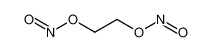
- 629-16-3
- C2H4N2O4
- 120.06400
- All (0)
- China (0)
- (0)
- 12287-45-5
- C7H4MoO5
- 264.06400
- All (0)
- China (0)
- (0)
- 19404-12-7
- C14H8N6O14
- 484.24500
- All (0)
- China (0)
- (0)
Related Products More >

- 63231-66-3
- CNY Request For Quotation
- 632-51-9
- CNY Request For Quotation
- 632-51-9
- CNY Request For Quotation
- 632-51-9
- CNY Request For Quotation
- 96-45-7 Ethylene thiourea
- CNY Request For Quotation
- 9002-88-4
- Request For Quotation
- 143-24-8
- Request For Quotation
- 25322-68-3
- Request For Quotation


So, ExxonMobil bought Pioneer. Chevron just scooped up Hess. The oil and gas industry is consolidating fast. Now, everyone’s asking: Will Exxon and Chevron merge next? Could we see a mega-corporation dominating global energy? Well, don’t hold your breath. Here’s why.
1. The Allure of a Mega Merger
Yes, there are reasons it sounds tempting:
Cost Savings: Combining operations could slash expenses, especially in shared regions like Guyana (the world’s hottest oil frontier).
Market Power: A unified giant could control prices, supply chains, and innovation.
Energy Transition: With renewables rising, bigger might seem safer.
But…
2. Why It Probably Won’t Happen
Stable Oil Prices: Unlike during COVID or the Ukraine war, oil prices aren’t crashing or spiking wildly. Companies aren’t desperate.
Regulatory Nightmare: Antitrust agencies would lose their minds. Exxon + Chevron = massive market control. The U.S. and EU would likely block it.
No Rush: Oil demand is still resilient. Why merge when profits are steady?
3. Implications for Chemicals & Trade
Oil giants aren’t just about fuel—they’re huge in chemicals too:
Petrochemicals: Exxon and Chevron are major players in ethylene, polyethylene, and plastics. A merger could reshape global supply chains.
Trade Patterns: Consolidation could affect everything from crude exports to polymer pricing.
Green Transition: Would a super-giant invest more in low-carbon tech—or double down on fossil fuels?
4. Health & Environmental Angles
Emissions: A merged entity might have even more influence over climate policies.
Plastics Pollution: As top plastic producers, their strategies impact global waste crises.
Community Impact: Larger corporations often face greater scrutiny on fracking, spills, and environmental justice.
5. What’s Next?
More mid-sized acquisitions (lithium? biofuels?) rather than mega-mergers.
Focus on carbon capture, hydrogen, and biorefining to stay relevant.
Increased regulatory scrutiny on ALL big oil moves.
Even if a merger were approved, integrating operations while pivoting toward renewables would be a massive challenge. Both firms are investing in low-carbon projects, but a mega-merger might divert resources from clean energy transitions. Ultimately, market pressures and climate policies may prevent the birth of a fossil fuel supermajor.
The oil world just had its biggest merger frenzy in years:
ExxonMobil swallowed Pioneer Natural Resources in 2024.
Chevron just closed its $53B Hess buyout after legal drama.
Now, whispers are swirling: Could Exxon and Chevron—the Coke and Pepsi of oil—merge into a single trillion-dollar "Megaron"?
Why Some Say It’s Inevitable
1.Guyana = New Oil Kingdom
Both giants now co-own stakes in Guyana’s massive offshore fields (thanks to Chevron’s Hess deal).
Merging could cut costs in this cash-gushing region.
2.Energy Transition Panic
With EVs and renewables rising, Big Oil’s scrambling for scale to survive.
A merger might buy time to pivot (or squeeze more profits from fossils).
But Here’s Why It Probably Won’t Happen
Oil’s Boring Again
Unlike the 2020 COVID fire sale (when small drillers collapsed), today’s stable 75−85/barrel oil kills the "merge or die" urgency.
Even Middle East tensions (like U.S. strikes on Iran) barely move prices now.
Regulators Would Lose It
The FTC okayed Exxon-Pioneer and Chevron-Hess… but combining #1 and #2 U.S. oil giants?
Biden’s DOJ blocked JetBlue-Spirit. They’d nuke this deal.
The Green Elephant in the Room
Both companies are divesting refineries, not expanding them.
Investors want lower carbon bets—not a dinosaur doubling down on oil.
Chemical Industry Side-Effects
Exxon + Chevron supply feedstocks for 60% of U.S. petrochemicals (think: plastics, fertilizers).
A merger could:
Stabilize ethylene/propylene supplies (good for chemical plants).
Trigger antitrust breakups (like the 1911 Standard Oil split).
What’s Next?
More niche deals: Think carbon capture startups, not mega-mergers.
Political theater: Senators will grandstand about "Big Oil greed."
Energy reality check: Even a $500B oil giant can’t stop the EV/solar juggernaut.
Bottom Line:
The dream of a new Standard Oil is seductive but stale. The real story? Big Oil’s playing defense—not plotting world domination.