


 Home
Home
Hi, I'd like to ask—What's the content of glucose and fructose in Fireball cinnamon whiskey? How does ethanol interact with carbs in the body? What's the role of cinnamaldehyde in this whiskey? Do carbs in whiskey affect weight loss? Thanks!
How Do Carbs Like Glucose in Fireball Cinnamon Whiskey Impact Blood Sugar?
Related Encyclopedia
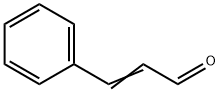
- 104-55-2
- C9H8O
- 132.16
- All (50)
- China (15)
- (50)
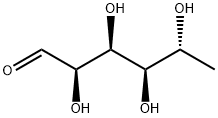
- 7658-08-4
- C6H12O5
- 164.16
- All (0)
- China (0)
- (0)
- 686298-95-3
- C6H12O6
- 180.15600
- All (25)
- China (10)
- (25)
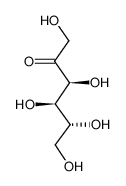
- 30237-26-4
- C6H12O6
- 180.16000
- All (25)
- China (10)
- (25)
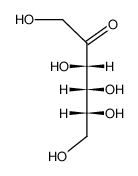
- 17598-81-1
- C6H12O6
- 180.15600
- All (25)
- China (10)
- (25)
- 13405-60-2
- C13H16O10
- 332.26
- All (0)
- China (0)
- (0)
- 87733-75-3
- C5H9NO3
- 131.13000
- All (23)
- China (21)
- (23)
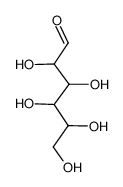
- 93780-23-5
- C6H12O6
- 180.15600
- All (23)
- China (21)
- (23)
![2-[2-hydroxyethyl(tetradecyl)amino]ethanol](https://chemcloud-1304660855.cos.ap-shanghai.myqcloud.com/compound/646107526b314f96afdf50fea56f6788.png?imageMogr2/format/webp)
- 18924-66-8
- C18H39NO2
- 301.51000
- All (0)
- China (0)
- (0)
- 111999-16-7
- C15H22N2
- 230.34900
- All (0)
- China (0)
- (0)
Related Products More >

- CNY Request For Quotation
- CNY Request For Quotation
- CNY Request For Quotation
- 68890-66-4
- CNY Request For Quotation
- 68890-66-4
- CNY Request For Quotation
- 64-17-5
- Request For Quotation
- 111-76-2
- Request For Quotation
- 110-80-5
- Request For Quotation


When ethanol is consumed, the liver prioritizes metabolizing it over carbohydrates, which disrupts normal glucose regulation. This process can temporarily raise blood sugar followed by a drop, and impairs insulin sensitivity, making cells less efficient at absorbing glucose. Additionally, the body may store excess carbs as fat while focusing on breaking down alcohol, potentially contributing to weight gain over time.
Cinnamaldehyde in Fireball gives it the characteristic cinnamon taste and aroma. It acts as a flavoring agent and has mild antimicrobial properties, though its primary role is sensory rather than preservative due to the whiskey’s high alcohol content. The compound’s potential health benefits, like anti-inflammatory effects, are minimal in this diluted form.
The carbs in Fireball, along with its alcohol, provide "empty calories" that can hinder weight loss if consumed regularly. Alcohol’s impact on metabolism—prioritizing its breakdown over fats and carbs—combined with the sugar’s caloric load, may lead to excess calorie intake and fat storage. Moderation is key, as substituting with unsweetened spirits is a better choice for those managing weight.
Ethanol interacts with carbohydrates in the body through complex metabolic pathways. When consumed, ethanol is prioritized for metabolism in the liver over other nutrients because it's toxic at high levels. The liver metabolizes ethanol primarily through two enzymes: alcohol dehydrogenase (ADH), which converts ethanol to acetaldehyde, and aldehyde dehydrogenase (ALDH), which further breaks down acetaldehyde to acetate. This process consumes NAD+, creating an imbalance in the cellular redox state that affects carbohydrate metabolism. The increased NADH/NAD+ ratio inhibits gluconeogenesis (the production of glucose from non-carbohydrate sources) and promotes the conversion of pyruvate to lactate, potentially leading to lactic acidosis. Additionally, chronic alcohol consumption can impair insulin signaling and glucose uptake in peripheral tissues, contributing to hyperglycemia and insulin resistance.
Cinnamaldehyde, the primary component of cinnamon essential oil, provides Fireball's distinctive cinnamon flavor and aroma. It's a phenylpropanoid that interacts with taste receptors on the tongue, particularly those sensitive to sweet and spicy sensations. Beyond its flavor role, cinnamaldehyde has been studied for potential health effects, including mild blood sugar-lowering properties in some animal studies, though these effects haven't been conclusively demonstrated in humans at the concentrations present in Fireball. The compound also contributes to the warming sensation experienced when drinking the whiskey, which is part of its appeal as a "spiced" spirit.
The carbohydrates in whiskey, primarily from added sugars like HFCS, can impact weight loss efforts. Consuming alcoholic beverages with added sugars contributes empty calories that provide little nutritional value. Regular consumption of sugary alcoholic drinks can lead to weight gain, particularly when combined with a high-calorie diet and sedentary lifestyle. The body prioritizes metabolizing alcohol over other energy sources, which can disrupt normal fat metabolism and contribute to fat storage. For individuals trying to lose weight, limiting intake of sweetened alcoholic beverages like Fireball is generally recommended, as the combination of ethanol and sugar creates a particularly calorie-dense product that can hinder weight management efforts.
When ethanol from Fireball is consumed, it interacts with carbohydrates in the body by altering metabolic processes. The liver prioritizes ethanol metabolism over other nutrients, using enzymes like alcohol dehydrogenase to convert ethanol into acetaldehyde and then acetate. This process diverts liver resources from breaking down carbohydrates, which can affect blood glucose levels. For instance, ethanol can inhibit gluconeogenesis (the production of glucose from non-carb sources), potentially leading to temporary hypoglycemia, especially if consumed on an empty stomach. Additionally, ethanol provides 7 calories per gram—more than carbohydrates (4 calories per gram)—but the body does not store its energy efficiently. When ethanol is consumed with carb-rich foods, the body’s focus on metabolizing alcohol may cause excess carbohydrates to be stored as fat if overall caloric intake exceeds energy expenditure. This interaction highlights how alcohol can contribute to weight gain not just through its own calories but also by influencing how the body processes other nutrients.
Cinnamaldehyde, the key compound in cinnamon that flavors Fireball, serves a primary role in enhancing the beverage’s sensory properties. It is responsible for the warm, spicy taste and aromatic profile that defines Fireball, stimulating taste receptors in the mouth to create sensations of heat and sweetness while engaging olfactory receptors to amplify the aroma. While cinnamaldehyde has been studied for potential antioxidant and anti-inflammatory effects in laboratory settings, the concentrations present in a typical serving of Fireball are too low to produce significant biological benefits in the human body. In the context of the whiskey, its function is purely organoleptic (related to taste and smell), and it does not substantially impact metabolism or health beyond its flavor contribution. Regulated use ensures that cinnamaldehyde is safe for consumption at the levels used in Fireball, balancing its pungent characteristics with palatability.
The carbohydrates in Fireball, though minimal, can indirectly affect weight loss when considered alongside the drink’s overall caloric impact. A standard serving of Fireball contains only 1–2 grams of carbs, which is trivial in terms of daily carbohydrate intake. However, the ethanol itself provides substantial calories, and consuming Fireball in mixed drinks with sugary mixers (e.g., soda, juice) can significantly increase carb and calorie content. Moreover, alcohol’s high caloric density (7 calories per gram) and its ability to disrupt fat metabolism—since the body processes alcohol before fats—can hinder weight loss efforts. Excessive alcohol consumption also tends to lower inhibitions, leading to overeating or poor food choices, which further contributes to weight gain. While the small amount of carbs in Fireball itself is not a major concern, the cumulative calories from alcohol and potential added sugars, combined with their effect on metabolism and appetite, can impact weight management. Moderation is key, as with any alcoholic beverage, to avoid undermining weight loss goals.