


 Home
Home
Hi, I'd like to ask—What's the molecular structure difference between glutamate and gluten? Do fermented foods like soy sauce and miso contain both glutamate and gluten? Can people allergic to gluten have an allergic reaction to foods containing glutamate? What are the common aliases of glutamate in processed foods? How to distinguish glutamate from gluten ingredients through nutrition labels? Thanks!
Is Glutamate the Same Substance as Gluten? Which Foods Contain Both?
Related Encyclopedia
- 8002-80-0
- 0
- All (2)
- China (0)
- (2)
- 78543-55-2
- C5H8NO4-
- 146.12100
- All (0)
- China (0)
- (0)

- 115044-69-4
- C103H185N31O24S
- 2273.83
- All (0)
- China (0)
- (0)
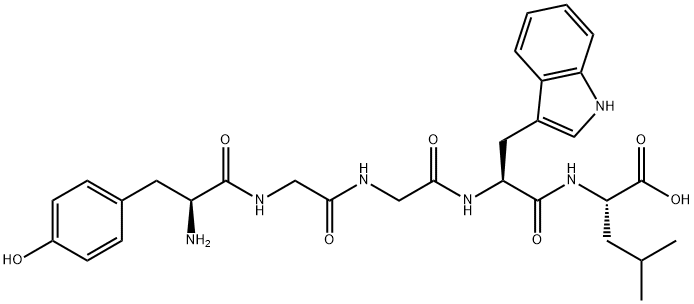
- 68382-18-3
- C30H38N6O7
- 594.66
- All (0)
- China (0)
- (0)
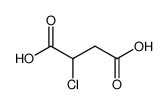
- 617-41-4
- C4H5ClO4
- 152.53300
- All (0)
- China (0)
- (0)
- 90698-81-0
- 0
- All (0)
- China (0)
- (0)
- 9015-54-7
- 0.00000
- All (0)
- China (0)
- (0)
- 222400-29-5
- 0
- All (1)
- China (1)
- (1)
- 14732-77-5
- C37H56O3S
- 580.90400
- All (0)
- China (0)
- (0)
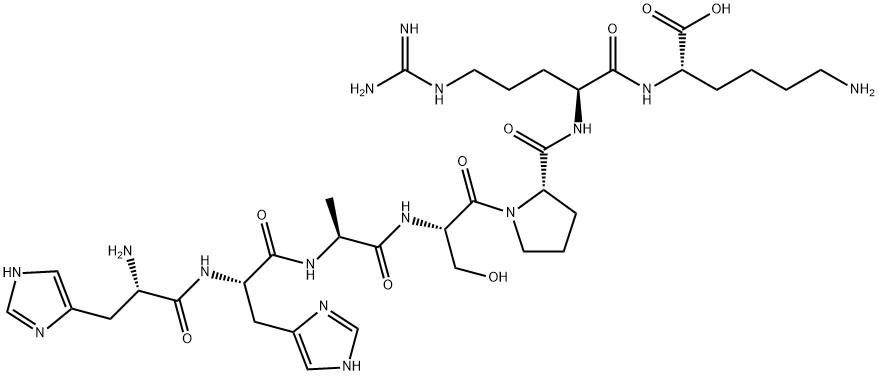
- 255064-79-0
- C35H57N15O9
- 831.92
- All (0)
- China (0)
- (0)
Related Products More >

- 9010-10-2
- CNY Request For Quotation
- 9010-10-1
- CNY Request For Quotation
- 9010-10-0
- CNY Request For Quotation
- CNY Request For Quotation
- CNY Request For Quotation
- CNY Request For Quotation
- 66071-96-3
- USD 15.0000
- 25kg
- 9010-66-6
- USD 9.0000
- 50kg


Fermented foods like soy sauce and miso often contain both glutamate and gluten. Soybeans in these products are rich in natural glutamic acid (the parent compound of glutamate), while wheat (a common ingredient in soy sauce production) contributes gluten. However, some gluten-free soy sauces use wheat alternatives, so labels must be checked.
People allergic to gluten typically do not react to glutamate, as gluten allergies involve an immune response to specific wheat proteins, while glutamate is an amino acid found widely in foods. Allergic reactions to glutamate are extremely rare and distinct from celiac disease or gluten sensitivity.
On nutrition labels, gluten is identified through ingredients like wheat, barley, rye, or their derivatives (e.g., semolina, spelt). Glutamate, meanwhile, appears as additives like MSG or in natural sources listed under “protein” or “amino acids.” Always check for explicit gluten warnings (e.g., “contains wheat”) and note that glutamate itself is not a gluten component, but products containing both may exist due to shared ingredients like wheat.
Fermented foods like soy sauce and miso indeed contain both glutamate and gluten when made from traditional wheat-based ingredients. During fermentation, proteolytic enzymes break down gluten proteins into smaller peptides and free amino acids, including glutamate. This enzymatic hydrolysis contributes significantly to the umami flavor profile of these products. However, modern gluten-free alternatives using rice, soy, or other non-gluten grains produce fermented foods that contain glutamate but are completely gluten-free.
People with celiac disease or gluten sensitivity don't react to glutamate itself. The immune response in gluten-related disorders targets specific epitopes in gliadin proteins, not free amino acids. Clinical studies confirm that pure glutamate doesn't cross-react with gluten antibodies, making it safe for gluten-intolerant individuals when consumed as a food additive.
Common aliases for glutamate on food labels include monosodium glutamate (MSG), glutamic acid, yeast extract, hydrolyzed vegetable protein, and autolyzed yeast. To distinguish these from gluten-containing ingredients, carefully examine the full ingredient list. Look for wheat, barley, rye, or specific terms like "wheat gluten" or "barley malt." Note that while "hydrolyzed vegetable protein" may contain glutamate, it could also indicate gluten presence if derived from wheat sources. The allergen statement section provides critical information about potential gluten contamination.
People with gluten allergies generally do not react to glutamate. Glutamate is gluten - free and does not contain gluten proteins. However, cross - contamination can be a concern in processed foods that contain both ingredients. In processed foods, glutamate can appear under several names. Common aliases include monosodium glutamate (MSG), yeast extract, hydrolyzed vegetable protein, and autolyzed yeast. These are used to enhance flavor.
Fermented foods such as soy sauce and miso may contain both glutamate and gluten, depending on their ingredients. Soybeans, a key component in both, are rich in glutamate, which is released during fermentation, giving these products their umami flavor. However, traditional soy sauce and miso often include wheat or barley, which contain gluten. Some modern versions use gluten-free grains (like rice) instead, so whether gluten is present depends on the recipe. Always check labels for ingredients like "wheat" or "barley" to confirm gluten content.
People allergic to gluten typically react to the protein structures in gliadin and glutenin, not to amino acids like glutamate. Glutamate allergies are extremely rare; most sensitivities attributed to it are actually reactions to additives like monosodium glutamate (MSG). Since gluten and glutamate are chemically distinct—one being a protein complex, the other an amino acid—an allergic reaction to gluten does not inherently mean sensitivity to glutamate. However, cross-contamination in processing could be a concern, though this is unrelated to the molecules themselves.
In processed foods, glutamate often appears under aliases such as monosodium glutamate (MSG), glutamic acid, yeast extract, hydrolyzed vegetable protein, autolyzed yeast, and sodium caseinate. These ingredients are used to enhance flavor and may be listed in nutrition labels or ingredient lists.
To distinguish between glutamate and gluten in labels, look for gluten sources first: ingredients like wheat, rye, barley, or their derivatives (e.g., semolina, malt). Gluten is usually declared explicitly, especially in regions with allergen labeling laws. Glutamate, as an additive, will appear by the aliases mentioned above or as part of protein-rich ingredients (since it’s naturally present in many foods). If a product is labeled "gluten-free," it should exclude wheat, barley, and rye, but may still contain glutamate from sources like soy or yeast extract.