


 Home
Home
Hello, I'd like to ask:
How can I test the purity of my olive oil at home using simple methods?
What are the characteristics of the color and smell of pure olive oil?
How can I choose a reputable brand of olive oil when shopping?
How to Tell If Your Olive Oil Is Pure? Simple Home Tests Explained!
Related Encyclopedia
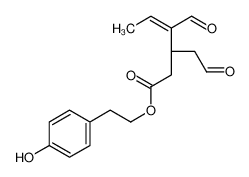
- 289030-99-5
- C17H20O5
- 304.33800
- All (1)
- China (0)
- (1)
- 1273095-06-9
- C19H20D6N2O6
- 384.45700
- All (1)
- China (0)
- (1)
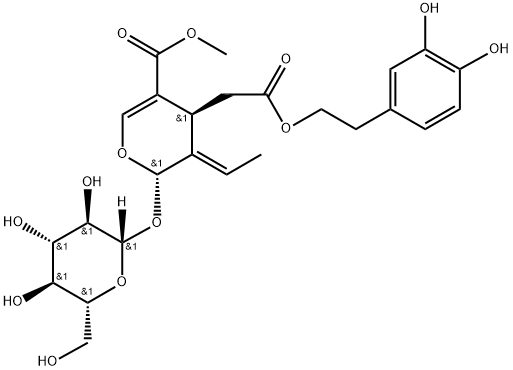
- 32619-42-4
- C25H32O13
- 540.52
- All (20)
- China (14)
- (20)
- 315207-62-6
- C25H32O13
- 540.51400
- All (20)
- China (14)
- (20)

- 112-80-1
- C18H34O2
- 282.46
- All (141)
- China (22)
- (141)
- 141903-93-7
- C17H35N
- 253.46600
- All (141)
- China (22)
- (141)
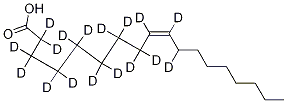
- 223487-44-3
- C18H17D17O2
- 300
- All (0)
- China (0)
- (0)
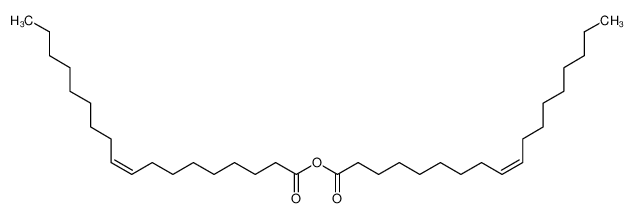
- 6085-36-5
- C36H66O3
- 546.90700
- All (0)
- China (0)
- (0)
![OLEIC ACID-[9,10-3H]](https://chemcloud-1304660855.cos.ap-shanghai.myqcloud.com/compound/c559f7e4610543758edba973fc60c82f.png?imageMogr2/format/webp)
- 636-34-0
- C18H32O2T2
- 286.48000
- All (0)
- China (0)
- (0)
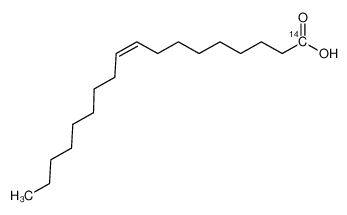
- 3343-81-5
- C18H34O2
- 284.48000
- All (0)
- China (0)
- (0)
Related Products More >

- 60-33-3
- USD 30.0000
- 25kg
- 93-83-4
- Request For Quotation
- 25kg/drum
- 93-83-4
- Request For Quotation
- Bottle,barrel,cargo,container,etc.
- 93-83-4
- Request For Quotation
- 93-83-4
- Request For Quotation
- 8051-88-5
- Request For Quotation
- 8051-88-5
- Request For Quotation
- 60-33-3
- Request For Quotation
- 1kg/bag;25kg/Cardboard Drum


Why Home Testing Matters:
1. Detects common adulterants like soybean/canola oil
2. Confirms presence of beneficial polyphenols
3. Identifies stale or rancid oil

1. Easy Home Purity Tests
A) Refrigerator Test:
1. Place 2 tbsp oil in small container
2. Refrigerate 24 hours
3. Authentic EVOO will thicken/show white clumps
Fake oils remain perfectly liquid
B) Flame Test:
1. Dip cotton wick in oil
2. Light with match
3. Pure olive oil burns cleanly with blue flame
Adulterated oils sputter/smoke
C) Water Test:
1. Mix equal parts oil and water
2. Shake vigorously
3. Pure oil separates completely within 5 minutes
Mixed oils stay cloudy

2. Authentic Olive Oil Characteristics
Visual Indicators:
• Color: Golden-green (early harvest) to deep gold (late harvest)
• Clarity: Slightly cloudy (unfiltered) with visible sediment
• Viscosity: Thick, coats spoon evenly
Aromatic Profile:
• Fresh Cut Grass: Indicates high polyphenols
• Artichoke/Green Banana: Sign of quality fruitiness
• Peppery Finish: Triggers throat burn (oleocanthal)
Texture Markers:
• Leaves velvety mouthfeel
• Develops complex flavors when warmed
• Never tastes greasy or waxy

3. Selecting Trustworthy Brands
Reliability Factors:
1. Certifications:
• COOC (California)
• DOP/IGP (Europe)
• Australian Extra Virgin
2. Label Transparency:
• Exact harvest date (<18 months)
• Single origin (estate/farm named)
• Cold extraction mentioned
3. Reputable Producers:
• California Olive Ranch
• Cobram Estate
• Castillo de Canena
Red Flags to Avoid:
• "Light" or "Pure" olive oil labels
• No harvest/best-by date
• Unusually low pricing
1. Check the Label: Look for certifications such as PDO (Protected Designation of Origin) or PGI (Protected Geographical Indication), which indicate the oil meets strict standards of authenticity and quality. The label should also specify “extra virgin,” indicating it's the highest grade of olive oil.
2. Examine the Packaging: Pure olive oil is sensitive to light and air. It should come in a dark glass bottle or tin that protects it from these elements, preserving its quality.
3. Smell and Taste: Genuine extra virgin olive oil has a fresh, fruity aroma and a peppery, slightly bitter taste. If your oil smells musty, rancid, or lacks these distinctive flavors, it may not be pure.
4. Fridge Test: Place the olive oil in the refrigerator. Pure olive oil will become cloudy and thicker due to its monounsaturated fats solidifying at low temperatures. However, this test isn't foolproof, as some adulterants may have similar properties.
In daily life, consider a scenario where someone purchases olive oil online based on price rather than quality indicators. Upon receiving it, they notice the oil doesn't have a harvest date or any certification labels. Testing it through smell and taste reveals an absence of characteristic freshness, suggesting it might not be pure. By understanding key indicators like packaging, labeling, and sensory qualities, consumers can make more informed choices.
Key considerations include looking for certification marks, understanding the importance of proper packaging, recognizing the unique sensory characteristics of pure olive oil, and being aware of potential limitations in home testing methods. These steps underscore the necessity of diligence in verifying olive oil purity to enjoy its health benefits and superior flavor fully. This approach highlights the importance of consumer education and awareness in making quality-driven decisions about food products.
How to test olive oil purity at home with simple methods?
Freeze test: Place oil in the fridge (4°C/39°F) for 24 hours. Pure olive oil solidifies into a semi-translucent paste with tiny crystals (due to palmitic acid, C₁₆H₃₂O₂), while fake oils may remain liquid or form cloudy chunks.
Flavor test: Take a small sip of room-temperature oil. Authentic extra-virgin olive oil should taste peppery (from oleocanthal, C₂₀H₃₂O₅) and slightly bitter, with a fruity aftertaste; fake oils often taste bland or oily.
Burn test: Heat a teaspoon of oil in a pan. Pure olive oil should smoke above 210°C (410°F) (oleic acid, C₁₈H₃₄O₂ content), while adulterated oils smoke earlier due to lower-quality fats.
2. What are the color and aroma characteristics of pure olive oil?
Color variation:
Extra-virgin olive oil ranges from golden green to deep yellow, depending on olive variety and ripeness; avoid overly dark or transparent oils, which may be refined or old.
Aroma profile:
Fresh, pure oil smells of ripe olives, grass, or herbs, with subtle floral notes; fake oils may lack aroma or smell like vegetable oil, chemicals, or rancid fats.
Pungency indicator: A strong peppery sensation at the back of the throat signals high polyphenol content (e.g., oleuropein, C₂₈H₃₆O₁₅), typical of genuine EVOO.
3. How to choose reputable olive oil brands when purchasing?
Certification labels: Look for "Extra Virgin" and third-party certifications (e.g., USDA Organic, IOC, California Olive Oil Council) to ensure compliance with acidity (<0.8%) and sensory standards.
Transparent sourcing: Prefer brands listing the harvest year, olive variety, and country of origin (e.g., Spain, Greece), as vague labeling hides blending risks.
Packaging quality: Select dark glass or tin bottles to protect oil from light and oxygen; avoid plastic containers or large jugs, which compromise freshness.