


 Home
Home
Hello, I'd like to ask:
Is coconut oil a good lubricant? And can coconut oil lubricant cause allergies?
Does coconut oil lubricant solidify in low temperatures?
Is coconut oil lubricant suitable for sensitive skin?
Is Coconut Oil the Ultimate Natural Lube? The Surprising Pros and Cons!
Related Encyclopedia

- 544-63-8
- C14H28O2
- 228.37
- All (47)
- China (10)
- (47)

- 60605-23-4
- C16H32O2
- 256.42400
- All (57)
- China (10)
- (57)

- 66321-94-6
- C16H32O2
- 256.42400
- All (57)
- China (10)
- (57)

- 57-10-3
- C16H32O2
- 256.42
- All (57)
- China (10)
- (57)

- 82909-47-5
- C14H24O2
- 224.34
- All (0)
- China (0)
- (0)
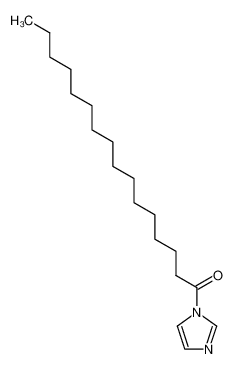
- 26227-65-6
- C19H34N2O
- 306.48600
- All (0)
- China (0)
- (0)

- 77165-63-0
- C16H31N3O
- 281.43700
- All (0)
- China (0)
- (0)

- 2619-88-7
- C16H34N2O
- 270.45
- All (0)
- China (0)
- (0)
- 95746-64-8
- C24H46O2
- 366.62100
- All (0)
- China (0)
- (0)
![MYRISTIC ACID, [1-14C]](https://chemcloud-1304660855.cos.ap-shanghai.myqcloud.com/compound/8cd6573a70a04c758565b983815398e4.png?imageMogr2/format/webp)
- 17029-30-0
- C14H28O2
- 230.39000
- All (0)
- China (0)
- (0)
Related Products More >

- 628-97-7
- Request For Quotation
- 628-97-7
- Request For Quotation
- 617-73-2
- Request For Quotation
- 57-10-3
- Request For Quotation
- 25kg/Cardboard Drum
- 57-10-3
- Request For Quotation
- 100g; 1kg; 25g
- 57-10-3
- Request For Quotation
- 25KG/BAG
- 57-10-3
- Request For Quotation
- 57-10-3
- Request For Quotation


Allergy Risk Analysis:
Prevalence:
Affects 1-2% of the general population
Higher incidence among those with tree nut allergies
Reaction Symptoms:
Genital itching/burning within 15-30 minutes
Swelling or rash development
Increased UTI-like discomfort
Prevention Methods:
Patch test on inner elbow 24 hours before use
Start with diluted mixtures (50% coconut oil + 50% aloe vera)
Have antihistamines available for first-time users
Temperature Stability:
Low Temperature Effects (Below 76°F/24°C):
Physical Changes:
Gradual solidification begins at 70°F (21°C)
Complete hardening below 60°F (16°C)
Usage Solutions:
Warm between hands before application
Store in small, portable containers
Use fractionated coconut oil (stays liquid)
Performance Impact:
Reduced spreadability when cool
Requires more frequent reapplication
May cause uncomfortable temperature shock
Sensitive Skin Considerations:
Benefits for Delicate Skin:
Soothes irritation from shaving
Reduces friction-related inflammation
Helps repair moisture barrier
Potential Concerns:
May clog pores around bikini line
Could exacerbate existing dermatitis
Possible interaction with skincare actives
Optimal Use for Sensitive Areas:
Choose virgin, cold-pressed oil
Apply to damp skin for easier spreading
Remove excess after 15 minutes
Combine with chamomile extract for calming effect
Clinical dermatologists note that while coconut oil works well for many sensitive skin users, those with conditions like eczema or psoriasis should proceed cautiously. The oil's comedogenic rating of 4/5 makes it potentially problematic for acne-prone genital areas.
For most users, coconut oil represents a viable natural lubricant alternative when:
Allergy testing proves negative
Environmental temperatures remain stable
Proper hygiene practices are followed
One significant limitation when using coconut oil as a personal lubricant is its incompatibility with latex products, such as condoms or diaphragms. The oils can degrade latex, increasing the risk of breakage and reducing contraceptive efficacy. Therefore, it should only be used with polyurethane condoms or during activities where no latex barriers are involved. Additionally, because coconut oil might alter the vaginal pH balance, it could potentially increase the risk of infections, particularly yeast infections, making it unsuitable for some individuals.
In practical scenarios, coconut oil may serve well as a massage oil or a moisturizer for dry skin. For example, couples looking for a more natural alternative to commercial lubricants, who are aware of the limitations and take necessary precautions, might use coconut oil for intimate activities not requiring latex protection. It can also be beneficial for external use as part of a skincare routine, offering hydration and potential antimicrobial benefits.
Key points to note: natural lubricant, latex incompatibility, pH balance, moisturizing properties, and skin care applications. Understanding these factors helps ensure that coconut oil is used safely and effectively, whether for personal lubrication or skincare, highlighting the importance of choosing products based on individual needs and compatibility. Always consult healthcare providers for personalized advice before adopting new health and wellness practices.
Coconut Protein Sensitivity: Tree nut allergies affect 0.5–1% of adults, with genital tissue more susceptible to reactions.
Oxidation Byproducts: Rancid oil produces aldehydes that irritate skin, triggering redness or itching.
Microbial Contamination: Unsterile application may introduce bacteria, mimicking allergic responses.
Does Coconut Oil Lubricant Solidify in Cold Temperatures?
Yes, at temperatures below 76°F (24°C):
Physical Change: Solidifies into a creamy texture, which may require warming in palms before use.
Functionality Impact: Solidification doesn’t affect lubricating properties but reduces ease of application.
Storage Solution: Keep at room temperature (68–72°F) to maintain a semi-solid consistency ideal for use.
Is Coconut Oil Lubricant Suitable for Sensitive Skin?
Generally not, for the following reasons:
Comedogenic Nature: High comedogenic rating (4/5) clogs pores, increasing folliculitis risk in sensitive areas.
pH Disruption: Alkalizes skin (normal pH 5.5), compromising the acid mantle barrier.
Alternative Recommendations:
Water-based lubes with hypoallergenic formulas (e.g., glycerin-free).
Silicone lubes for long-lasting moisture without irritation.
Safety Comparison:
Risk Factor Coconut Oil Medical-Grade Lubricants
Allergy Prevalence High (nut proteins, oils) Low (fragrance-free options)
Temperature Stability Solidifies in cool environments Remains liquid across temperatures
Sensitivity Risk High (oily texture) Low (pH-balanced, non-comedogenic)
Final Note: While coconut oil offers natural lubrication, its tendency to trigger allergies, solidify in cold conditions, and irritate sensitive skin makes it an inferior choice to commercial lubes. Prioritize products designed for intimate use, especially for individuals with skin sensitivities or allergies. Always perform a patch test before use and consult a healthcare provider for persistent issues.