


 Home
Home
Hi, I'd like to ask—why do some claim sugar is toxic, and which types (like sucrose or fructose) are they referring to? How does glucose metabolism differ from fructose in the body? Can excessive sucrose cause organ damage similar to toxins? Are natural sugars in fruits safer than added sugars in soda? What scientific studies link sugar to "toxic" effects, and are there flaws in those claims? Thanks!
Is Sugar a Toxin? Unpacking Health Effects of Glucose, Fructose and Sucrose
Related Encyclopedia
- 27641-21-0
- C12H22O11
- 342.29600
- All (17)
- China (10)
- (17)
- 57-50-1
- C12H22O11
- 342.3
- All (17)
- China (10)
- (17)
- 95152-84-4
- C11H20O10
- 312.27100
- All (17)
- China (10)
- (17)
- 7658-08-4
- C6H12O5
- 164.16
- All (0)
- China (0)
- (0)
- 686298-95-3
- C6H12O6
- 180.15600
- All (25)
- China (10)
- (25)
- 30237-26-4
- C6H12O6
- 180.16000
- All (25)
- China (10)
- (25)
- 17598-81-1
- C6H12O6
- 180.15600
- All (25)
- China (10)
- (25)
- 13405-60-2
- C13H16O10
- 332.26
- All (0)
- China (0)
- (0)
- 87733-75-3
- C5H9NO3
- 131.13000
- All (23)
- China (21)
- (23)
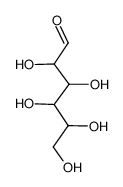
- 93780-23-5
- C6H12O6
- 180.15600
- All (23)
- China (21)
- (23)
Related Products More >

- CNY Request For Quotation
- CNY Request For Quotation
- CNY Request For Quotation
- 56038-13-2
- CNY 20.0000
- 25kg
- 308066-66-2
- CNY 10.0000
- 25kg
- 5996-10-1
- USD 525.0000
- 25kg
- 34482-63-8
- Request For Quotation
- 1ton
- 34482-63-8
- Request For Quotation
- 25kg


Natural sugars found in fruits are generally considered safer because they are accompanied by fiber, essential nutrients, and water, which slow sugar absorption and mitigate some adverse effects. This is in contrast to added sugars in soda or processed foods, which lack these protective components. Studies connecting sugar to harmful health effects often focus on excessive consumption in processed diets and demonstrate correlations with chronic diseases, but the "toxic" label remains debated.
Critics argue it oversimplifies the relationship, noting that individual tolerance, overall dietary patterns, and lifestyle factors play pivotal roles. While excessive sugar intake is clearly problematic, framing it as toxic may misrepresent its biological impact, as its effects differ fundamentally from those of recognized toxins.
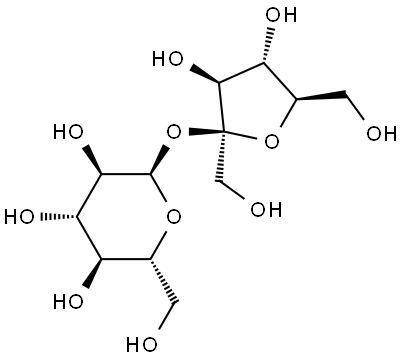
Sucrose is a disaccharide made up of one molecule of glucose and one molecule of fructose. It is the sugar we commonly use in daily life, such as table sugar. Fructose, on the other hand, is a monosaccharide. It exists naturally in fruits and honey, but its concentrated form in processed products is what causes concern.
The metabolism of glucose and fructose in the body is quite different. Glucose is the main source of energy for most cells in the body. After we consume foods containing glucose, it enters the bloodstream, and insulin, a hormone produced by the pancreas, helps transport glucose into cells. These cells can then use it for energy or store it as glycogen for later use. Glucose metabolism can occur in almost all tissues of the body.
Fructose, however, is mainly metabolized in the liver. When we consume a small amount of fructose, the liver can convert it into glucose, glycogen, or fat in a relatively orderly manner. But when we consume a large amount of fructose, especially from added sugars in processed foods, the liver's normal metabolic process is overwhelmed. This leads to an increase in the production of triglycerides and fatty acids. Over time, this can cause non - alcoholic fatty liver disease (NAFLD), insulin resistance, and inflammation in the body.
Excessive consumption of sucrose can also cause organ damage similar to the effects of toxins. Since sucrose breaks down into glucose and fructose in the body, a large intake means a significant amount of fructose enters the liver. This continuous overload can lead to fat accumulation in the liver, the development of NAFLD, and eventually, if left untreated, may progress to more serious liver problems like cirrhosis. Moreover, high sucrose intake is associated with insulin resistance, which increases the risk of type 2 diabetes. It also contributes to cardiovascular problems by raising blood pressure, triglyceride levels, and promoting the formation of arterial plaque.
Natural sugars in fruits are considered safer than added sugars in soda. Fruits contain not only natural sugars but also fiber, vitamins, minerals, and antioxidants. The fiber in fruits slows down the absorption of sugar into the bloodstream, preventing sharp spikes in blood sugar levels. The various nutrients in fruits also provide many health benefits. In contrast, soda and other processed products with added sugars offer only empty calories. They lack beneficial nutrients and can cause rapid sugar absorption and overconsumption, increasing the risk of obesity and related diseases.
There are scientific studies linking sugar to harmful effects. For example, research has shown that high sugar intake, especially from added sugars, is associated with an increased risk of cardiovascular disease. Another study has found a connection between excessive fructose consumption and the development of NAFLD. However, some of these claims about sugar's "toxicity" have flaws. Many of these studies are observational, which means they can only show an association, not a definite cause - and - effect relationship. Also, in real - life situations, people who consume a lot of sugar often have other unhealthy dietary and lifestyle habits, making it difficult to isolate the exact impact of sugar alone. Additionally, different people may have different tolerances to sugar due to genetic and other factors. So, while excessive sugar intake is clearly harmful, simply labelling sugar as "toxic" ignores these complexities and nuances in how the body processes and responds to sugar.
The metabolic pathways of glucose and fructose differ significantly. Glucose is absorbed into the bloodstream and taken up by cells with the help of insulin, where it fuels cellular processes or gets stored as glycogen. In contrast, fructose bypasses the insulin-mediated regulatory system and is rapidly metabolized in the liver, where it can be converted into triglycerides, promoting fatty liver disease when consumed excessively. This difference explains why fructose-heavy diets are more strongly associated with metabolic disorders than glucose alone.
Excessive sucrose intake can indeed harm organs in ways comparable to toxins. High fructose consumption from sucrose or high-fructose corn syrup has been linked to insulin resistance, a precursor to type 2 diabetes, as well as non-alcoholic fatty liver disease (NAFLD). The liver’s inability to process large fructose loads efficiently leads to fat accumulation, inflammation, and potential scarring. Additionally, sugar’s impact on insulin signaling contributes to obesity and cardiovascular disease, reinforcing the "toxic" label when intake exceeds physiological needs.
Natural sugars in fruits are generally safer than added sugars in soda due to their fiber content and slower absorption rates. Fruits contain fructose alongside fiber, vitamins, and antioxidants that mitigate sugar’s negative effects by slowing digestion and promoting satiety. Soda, however, delivers pure sucrose or high-fructose corn syrup without any buffering nutrients, causing rapid blood sugar spikes and excessive fructose delivery to the liver. This unregulated intake overwhelms metabolic pathways, increasing disease risk.
Scientific studies have established strong correlations between high sugar consumption and chronic diseases. Research published in journals like Nature and JAMA has demonstrated that excessive fructose intake alters lipid metabolism and promotes inflammation. However, some critiques argue that these studies often rely on high-dose animal models or short-term human trials, which may not fully translate to real-world conditions. Additionally, the term "toxic" is sometimes sensationalized, as sugar’s harm is dose-dependent rather than acutely lethal. Nonetheless, the evidence overwhelmingly supports reducing added sugars to prevent metabolic damage.