


 Home
Home
Hi! I'd love to learn about olive oil production:
"Could you explain how olive oil is made? Specifically, what are the steps in traditional cold-pressing methods?"
"What modern industrial techniques are used to produce olive oil these days?"
"How does the production process differ between extra virgin olive oil and regular olive oil?"
Unveiling Olive Oil's Creation: From Olives to Bottle—How?
Related Encyclopedia
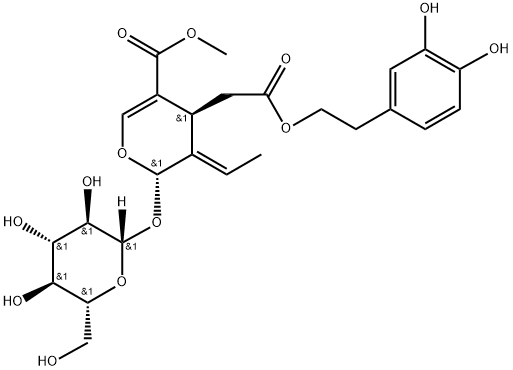
- 32619-42-4
- C25H32O13
- 540.52
- All (20)
- China (14)
- (20)
- 315207-62-6
- C25H32O13
- 540.51400
- All (20)
- China (14)
- (20)
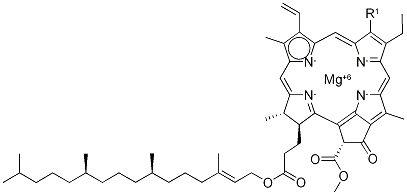
- 1406-65-1
- C54H69MgN4O5R+2
- 878.45446
- All (9)
- China (0)
- (9)
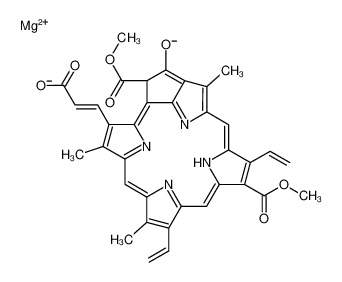
- 111308-93-1
- C36H28MgN4O7
- 652.93512
- All (0)
- China (0)
- (0)
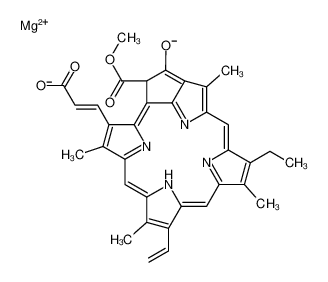
- 18901-56-9
- C35H30MgN4O5
- 610.94100
- All (0)
- China (0)
- (0)
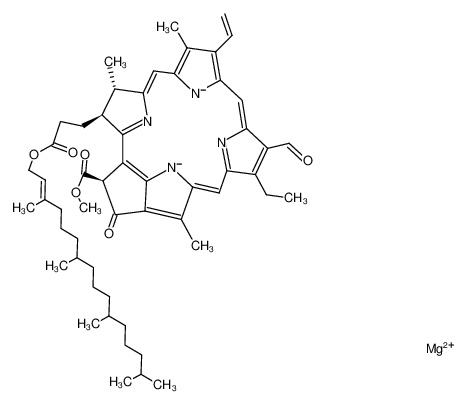
- 22309-14-4
- C55H70MgN4O6
- 907.47200
- All (0)
- China (0)
- (0)
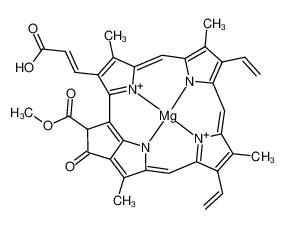
- 27736-03-4
- C35H28MgN4O5
- 608.92600
- All (0)
- China (0)
- (0)
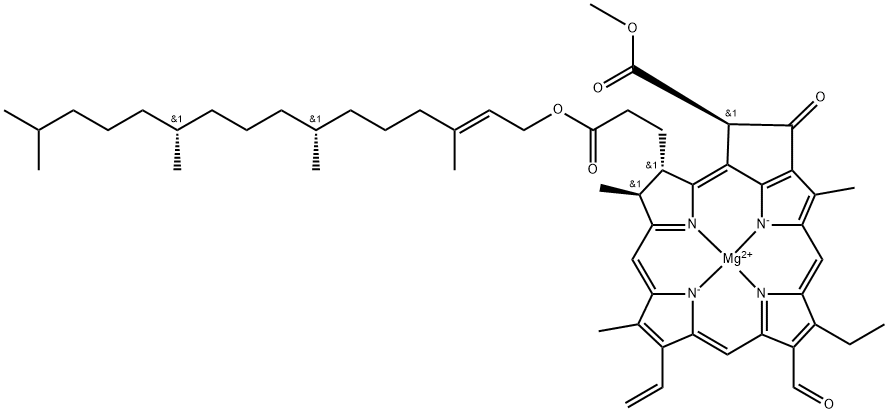
- 519-62-0
- C55H70MgN4O6
- 907.49
- All (0)
- China (0)
- (0)
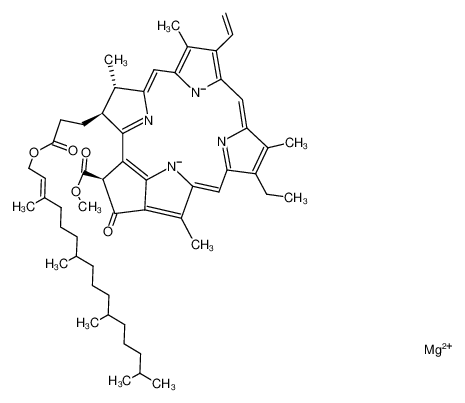
- 22309-13-3
- C55H72MgN4O5
- 893.48900
- All (0)
- China (0)
- (0)
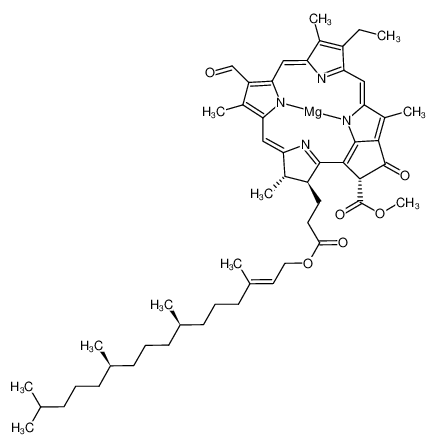
- 519-63-1
- C54H70MgN4O6
- 895.46200
- All (0)
- China (0)
- (0)
Related Products More >

- CNY Request For Quotation
- CNY Request For Quotation
- CNY Request For Quotation
- 989-51-5
- Request For Quotation
- 90028-20-9
- Request For Quotation
- 84650-60-2
- Request For Quotation
- 60-82-2
- Request For Quotation
- 479-61-8
- Request For Quotation
- 25kg/ea


Traditional Cold-Press Method Steps:
Harvesting: Olives are hand-picked or carefully shaken from trees at optimal ripeness
Cleaning: Leaves and twigs are removed, olives are washed
Crushing: Whole olives (including pits) are crushed into paste using stone mills
Malaxation: The paste is slowly mixed for 20-45 minutes at ≤27°C to allow oil droplets to combine
Centrifugation: A decanter separates oil from water and solids
Filtration: Optional step to remove remaining particles
Storage: Kept in stainless steel tanks away from light and oxygen
The cold-press method preserves delicate compounds like oleuropein (a bitter phenolic compound), polyphenols (antioxidants), and chlorophyll (contributing to the green color).
2. Modern Industrial Production Techniques
Contemporary large-scale production incorporates several technological advancements:
Continuous cycle systems: Automated processing from washing to bottling
Two-phase decanters: More efficient oil/water separation with less wastewater
Temperature-controlled malaxers: Precise temperature regulation during mixing
Inert gas preservation: Nitrogen flushing prevents oxidation during storage
Spectroscopic analysis: Near-infrared sensors monitor quality parameters
While faster and more efficient, these methods must maintain temperatures below 27°C to still qualify as "cold-pressed."
3. EVOO vs Regular Olive Oil: Key Production Differences
The distinction lies in processing standards and quality parameters:
Extra Virgin Olive Oil (EVOO):
Made from first pressing of perfect olives
No heat or chemicals used (cold extraction only)
Free acidity ≤0.8%
Must pass rigorous sensory and chemical tests
Contains highest levels of beneficial compounds
Regular Olive Oil:
Often uses second pressings or lower quality olives
May involve heat or chemical solvents
Higher permitted acidity (up to 2%)
Typically refined to remove defects
Lighter color and more neutral flavor
The strict production protocols for EVOO explain its superior health benefits, stronger flavor profile, and higher price point compared to processed olive oils.
Olive oil production involves several steps starting from harvesting olives to extracting their oil. First, olives are harvested either by hand or mechanically, depending on the scale of the operation and the type of olive tree. Once collected, olives are washed to remove any dirt or leaves. Next, they are crushed into a paste using large millstones or modern crushers. This paste then undergoes malaxation, a process where it is slowly churned to help small oil droplets merge into larger ones for easier extraction.
Following malaxation, the paste is typically centrifuged to separate the oil from water and solid residues. In traditional methods, the paste might be pressed between mats instead. The extracted oil, especially if it's extra virgin olive oil, is minimally processed and not refined, preserving its natural flavors and health benefits. Extra virgin olive oil is made from pure, cold-pressed olives, ensuring the best quality with an acidity level of less than 0.8%.
Understanding how olive oil is produced highlights its value in culinary applications. For instance, extra virgin olive oil is perfect for salad dressings or drizzling over finished dishes because of its superior taste and aroma. Meanwhile, lighter or refined olive oils can withstand higher cooking temperatures, making them suitable for frying or baking. In daily life, choosing the right type of olive oil based on its production method can enhance both the flavor and nutritional profile of meals.
Key points to note: **harvesting**, **crushing**, **malaxation**, **centrifugation**, **quality grades**, **culinary uses**. Knowing these aspects helps consumers make informed decisions about which olive oil to use for various cooking needs.
Traditional Cold Pressing Steps:
Harvesting: Olives are picked at peak ripeness (typically late autumn).
Washing & Crushing: Fruits are cleaned and ground into a paste using stone or steel mills.
Malaxation: The paste is mixed to allow oil droplets to coalesce, usually at <27°C to retain nutrients.
Extraction: Oil is separated from pulp via hydraulic pressing or centrifugation, without heat or chemicals.
2. What Modern Technologies Produce Olive Oil?
Industrial methods use centrifuges (cyclones) to speed extraction, often with controlled heating (<60°C) for higher yields. Enzymatic treatments may break down cell walls to release more oil. Filtering systems remove impurities, and vacuum refining can reduce acidity in refined oils, though these steps may diminish polyphenol content.
3. How Do Extra Virgin and Regular Olive Oil Processes Differ?
Extra virgin oil undergoes strict cold pressing without heat/chemicals, requiring acidity <0.8% and no sensory defects. Regular olive oil (virgin or refined) may involve higher temperatures, chemical refining (to remove defects), or filtration, leading to lower polyphenol levels and higher acidity (up to 3.3%). Only extra virgin retains peak natural compounds like oleic acid and polyphenols.