


 Home
Home
Hey, I'd like to ask:
"How can I tell real olive oil from fake? What does real olive oil actually taste like compared to fake stuff?"
"What should happen to real olive oil when you put it in the fridge?"
"What kind of security labels or packaging details should I look for to know it's genuine?"
How to Spot Real Olive Oil?
Related Encyclopedia
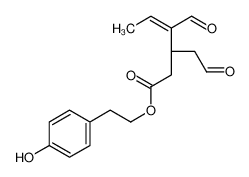
- 289030-99-5
- C17H20O5
- 304.33800
- All (1)
- China (0)
- (1)
- 1273095-06-9
- C19H20D6N2O6
- 384.45700
- All (1)
- China (0)
- (1)
- 165035-84-7
- C40H56O2
- 568.87100
- All (19)
- China (2)
- (19)
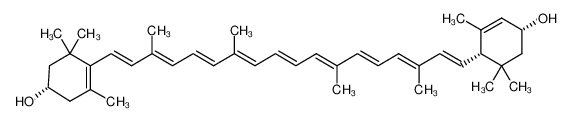
- 105452-20-8
- C40H56O2
- 568.87100
- All (19)
- China (2)
- (19)
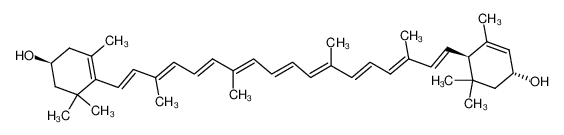
- 116947-92-3
- C40H56O2
- 568.87100
- All (19)
- China (2)
- (19)

- 112-80-1
- C18H34O2
- 282.46
- All (141)
- China (22)
- (141)
- 141903-93-7
- C17H35N
- 253.46600
- All (141)
- China (22)
- (141)

- 1191889-20-9
- C44H60O4
- 652.94500
- All (0)
- China (0)
- (0)
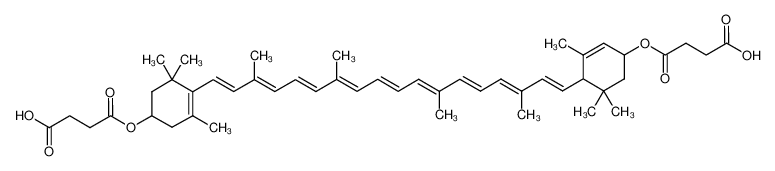
- 1001079-80-6
- C48H64O8
- 769.01700
- All (0)
- China (0)
- (0)
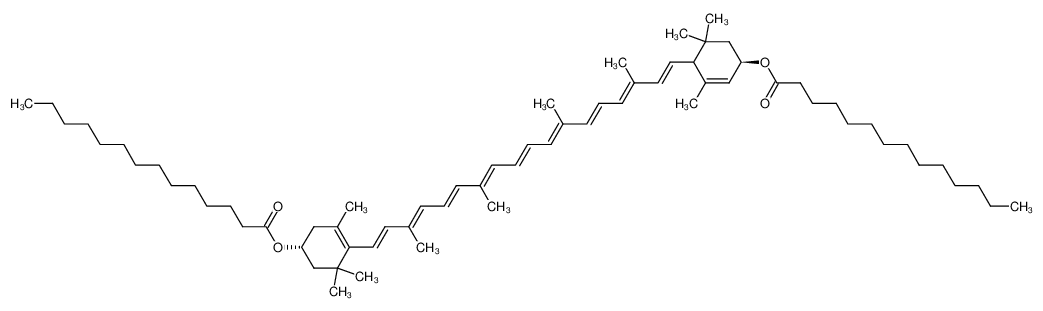
- 117305-38-1
- C68H108O4
- 989.58300
- All (0)
- China (0)
- (0)
Related Products More >

- 60-33-3
- USD 30.0000
- 25kg
- 93-83-4
- Request For Quotation
- 25kg/drum
- 93-83-4
- Request For Quotation
- Bottle,barrel,cargo,container,etc.
- 93-83-4
- Request For Quotation
- 93-83-4
- Request For Quotation
- 8051-88-5
- Request For Quotation
- 8051-88-5
- Request For Quotation
- 60-33-3
- Request For Quotation
- 1kg/bag;25kg/Cardboard Drum


Answer: Real olive oil is extracted solely through mechanical pressing without solvents or heat. The key reason for authenticity lies in its chemical composition and sensory profile.
Taste Differences:
Real Olive Oil: Fresh grassy peppery finish with slight bitterness (indicating high polyphenols). A genuine product triggers a tingling sensation at the back of the throat due to oleocanthal.
Fake Oil: Often bland neutral flavor or rancid notes. May contain additives to mask poor quality.
Three Compound Tags for Authenticity:
Oleic Acid (C18H34O2) - Primary monounsaturated fat defining olive oil profile
Oleocanthal (C17H25NO4) - Phenolic compound causing throat sting
Lutein (C40H56O2) - Carotenoid pigment contributing to color stability
2. Cold Temperature Behavior of Genuine Olive Oil
When chilled below 10°C (50°F):
Real Olive Oil: Naturally forms cloudy white sediment as waxes crystallize. This is a sign of unfiltered extra virgin quality.
Fake Oil: Remains clear or separates into unnatural layers due to refined oils or additives. Some counterfeit products may solidify completely from added animal fats.
Scientific Basis: The crystallization pattern reflects natural fatty acid composition. Genuine EVOO contains higher proportions of oleic acid which solidifies at higher temperatures than refined oils.
3. Anti-Counterfeit Packaging Features
Trustworthy producers use multiple security elements:
Tamper-Evident Seals: Holographic stickers or numbered bands preventing refilling
NFC Chips: Near-field communication tags for smartphone verification of origin
Batch Codes: Unique production identifiers traceable to mill records
Additional Authenticity Markers:
PDO/PGI Stamps - European protected designation labels
Harvest Date Printing - Mandatory for extra virgin classification
Dark Glass Bottles - UV protection preventing oxidation (fake oils often use clear containers)
Another test is observing its behavior in cold temperatures. Real olive oil will naturally solidify or become cloudy when refrigerated, while fake oils (mixed with refined oils) usually remain clear. This happens because pure olive oil contains natural waxes and fatty acids that solidify at low temperatures.
For packaging, look for these security features:
Harvest date (not just expiry date) – Freshness matters
PDO/PGI certification seals (protected origin labels)
UV-protected dark glass bottles or metal tins to prevent oxidation
Three key chemical markers in real olive oil:
Oleocanthal (anti-inflammatory compound causing throat pungency)
Polyphenols (antioxidants giving bitter/peppery notes)
Oleic acid (monounsaturated fat making up 55-83% of content)
In daily life, we can use olive oil in various ways. For example, in the kitchen, it can be used for salad dressings. Mix it with vinegar, lemon juice and seasonings to make a healthy and delicious dressing. It can also be used for cooking, like stir-frying vegetables, which can add a unique flavor. In addition, it can be used for skin care. Applying a small amount of olive oil on the skin can moisturize and nourish it.