


 Home
Home
Hi, I'd like to ask—does expired melatonin lose its effectiveness, or can it form harmful chemicals? How does temperature affect melatonin degradation, and what signs (like color change) indicate spoilage? If the active ingredient breaks down, what byproducts might form? Are there differences in safety between synthetic vs natural melatonin when expired? Should you worry about hormonal imbalances from taking expired pills? Thanks!
Is Expired Melatonin Safe? Risks of Hormone Degradation in Supplements
Related Encyclopedia
- 8041-44-9
- C13H16N2O2
- 232.27834
- All (70)
- China (50)
- (70)
- 1123858-21-8
- C13H13N2O2T3
- 238.30300
- All (0)
- China (0)
- (0)
- 471256-70-9
- C13H16N2O3
- 248.27800
- All (0)
- China (0)
- (0)
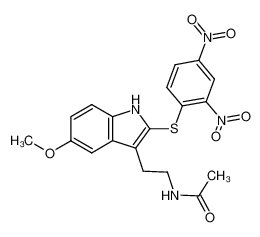
- 28772-49-8
- C19H18N4O6S
- 430.43400
- All (0)
- China (0)
- (0)
- 256345-45-6
- C19H30N2O2Si
- 346.53900
- All (0)
- China (0)
- (0)
- 650608-03-0
- C27H34N2O11
- 562.56600
- All (0)
- China (0)
- (0)
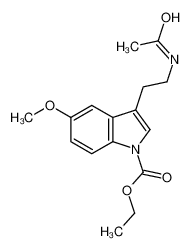
- 519186-54-0
- C16H20N2O4
- 304.34100
- All (0)
- China (0)
- (0)
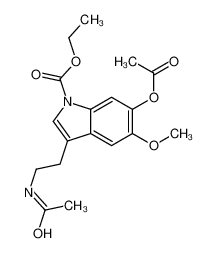
- 519186-55-1
- C18H22N2O6
- 362.38000
- All (0)
- China (0)
- (0)
Related Products More >

- 73-31-4
- CNY 130.0000
- 25kg
- 73-31-4
- 1.0000
- GlassBottlekg
- 93515-00-5
- Request For Quotation
- 9002-60-2
- Request For Quotation
- 9002-04-4
- Request For Quotation
- 873950-19-7
- Request For Quotation
- 82410-32-0
- Request For Quotation


When melatonin decomposes, it may break down into indole-related byproducts, though their biological effects remain understudied and are not widely linked to toxicity. Synthetic and natural melatonin share identical chemical structures, so expiration primarily affects potency rather than safety; however, natural variants might contain plant-based additives that degrade differently, potentially altering texture or smell.
Contrary to concerns, expired melatonin is unlikely to cause hormonal imbalances, as degraded molecules bind poorly to melatonin receptors. The key risk lies in reduced efficacy, making it advisable to replace expired supplements to ensure consistent sleep-regulating benefits without compromised safety.
Temperature plays a critical role in melatonin stability. High temperatures accelerate molecular breakdown, while freezing can cause physical changes that affect dissolution. The ideal storage temperature is between 15-25°C (59-77°F). Exposure to humidity can lead to clumping in tablets or degradation in liquid formulations. Light exposure, particularly UV light, can also degrade melatonin, which is why many supplements come in amber-colored bottles.
Visual signs of spoilage are often subtle. Tablets may discolor slightly or develop an unusual odor, though these changes don't always indicate complete loss of potency. Liquid melatonin might appear cloudy or separate if it has degraded. Gummies can harden, soften, or change color, which often correlates with reduced effectiveness.
When melatonin degrades, it typically breaks down into simpler compounds rather than forming harmful byproducts. The primary degradation pathways involve oxidation and hydrolysis, producing inactive metabolites that are generally not harmful in small quantities. However, the exact breakdown products depend on storage conditions and formulation.
Synthetic and natural melatonin differ little in stability when expired. Synthetic versions, produced through chemical synthesis, often have more consistent quality control than natural extracts derived from plants or animals. Both forms degrade at similar rates under identical conditions, though natural extracts may contain additional compounds that could degrade differently.
Hormonal imbalances from taking expired melatonin are unlikely because the primary risk is reduced effectiveness rather than toxicity. The body metabolizes melatonin quickly, with a half-life of about 30-60 minutes, meaning any degraded product would be processed rapidly. However, if the supplement has lost significant potency, it might not provide the desired sleep benefits, potentially leading to continued insomnia.
For optimal results, check the expiration date and storage conditions before use. If the supplement shows visible signs of spoilage or has been stored improperly for an extended period, it's best to replace it. While expired melatonin is unlikely to cause harm, its reduced effectiveness means it may not help with sleep as intended.
The active ingredient in melatonin, as it expires, undergoes chemical degradation processes mainly due to oxidation and hydrolysis. Oxidation occurs when the melatonin molecules react with oxygen in the air, while hydrolysis involves the reaction with water molecules, which might be present due to improper storage conditions. As these reactions take place, the amount of active melatonin decreases. For example, if a melatonin supplement is supposed to contain 5 milligrams of the active ingredient when fresh, after expiration, this amount could drop to a much lower level, perhaps only 1 or 2 milligrams, rendering it less effective in inducing sleep.
Regarding the formation of harmful byproducts, research on the specific byproducts of expired melatonin is somewhat limited. However, it is known that as the melatonin molecule breaks down, it can form various indole - related compounds. These compounds are generally not considered highly toxic, but their long - term effects on human health when ingested in significant amounts are not fully understood. So, while the risk of immediate and severe harm is low, the uncertainty about these byproducts means that it's best to avoid using expired melatonin.
Temperature plays a crucial role in melatonin degradation. Higher temperatures speed up the chemical reactions that cause degradation. When stored at temperatures above 25°C (77°F), the rate at which melatonin breaks down can increase substantially. For instance, a bottle of melatonin left in a hot car during summer, where the temperature can easily reach 35°C or even higher, will degrade much faster than one stored in a cool, dry place at room temperature. On the other hand, storing melatonin in a cool environment, such as a medicine cabinet away from heat sources like stoves or radiators, can help maintain its stability for a longer period.
Several signs can indicate that melatonin has spoiled. A change in color is a common indicator. Fresh melatonin supplements are usually white or off - white, but as they degrade, they may turn yellow, brown, or even develop dark spots. A strange odor is another warning sign. If the supplement starts to smell unpleasant, unlike its original scent, it's a sign that chemical changes have occurred. Additionally, if the tablets or capsules become sticky, crumbly, or change in texture in any way, it's a clear indication that the melatonin has expired and should not be used.
There is no significant difference in safety between synthetic and natural melatonin when they expire. Both synthetic and natural forms of melatonin have the same chemical structure, so they degrade in similar ways. Synthetic melatonin is produced in a laboratory, while natural melatonin is often derived from plant sources or animal extracts. But regardless of the source, once expired, both types lose their effectiveness and pose similar risks related to degradation products.
As for hormonal imbalances from taking expired melatonin, the risk is relatively low. Since the active ingredient degrades into inactive or less active compounds, it is unlikely to cause major disruptions to the body's hormonal system. Even if some active melatonin remains in the expired supplement, the reduced dosage means that it would probably just fail to produce the desired sleep - inducing effect rather than cause hormonal imbalances. However, to ensure safety and effectiveness in regulating sleep, it is always advisable to avoid using expired melatonin supplements and replace them with fresh ones when needed.