


 Home
Home
Hi, I was wondering about something regarding my wristwatch. I’ve noticed that some watch batteries last way longer than others, and I’ve heard people mention lithium batteries in this context. Are all watch batteries lithium, or do they come in different types? And if they are lithium, what makes them different from other battery types in terms of how long they last and how reliable they are? Could you explain how lithium watch batteries compare to regular ones and what I should know when replacing them?
Are Watch Batteries Lithium and How Does That Affect Their Performance?
Related Encyclopedia
- 14885-65-5
- FLi
- 25.01350
- All (0)
- China (0)
- (0)
- 12596-44-0
- Li2
- 13.03110
- All (2)
- China (2)
- (2)
- 12596-45-1
- Li2
- 14.03200
- All (2)
- China (2)
- (2)

- 17341-24-1
- Li+
- 6.94
- All (2)
- China (2)
- (2)
- 12596-43-9
- Li2
- 12.03020
- All (2)
- China (2)
- (2)
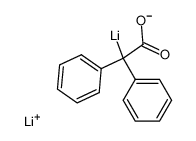
- 60538-71-8
- C14H10Li2O2
- 224.11000
- All (0)
- China (0)
- (0)

- 2923-20-8
- C2F5LiO3S
- 206.01800
- All (0)
- China (0)
- (0)

- 21743-25-9
- C2H7LiP
- 68.99170
- All (0)
- China (0)
- (0)
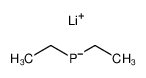
- 19093-80-2
- C4H11LiP
- 97.04490
- All (0)
- China (0)
- (0)
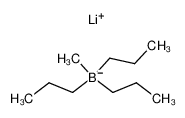
- 26282-83-7
- C10H24BLi
- 162.05000
- All (0)
- China (0)
- (0)
Related Products More >

- 554-13-2
- CNY 60.0000
- 25kg
- 7447-41-8
- USD 6.0000
- 25kg
- 7447-41-8
- USD 6.0000
- 1kg
- 14283-07-9
- Request For Quotation
- 25kg
- 13453-80-0
- Request For Quotation
- 1ton
- 13453-80-0
- Request For Quotation
- 25kg
- 13453-80-0
- Request For Quotation
- 25kg
- 13453-80-0
- Request For Quotation
- 1ton


In practical terms, lithium watch batteries can sustain steady voltage over many years, providing reliable timing without significant loss of energy. For example, a typical CR2032 lithium coin cell can power a digital or analog watch for 5 to 10 years depending on the watch’s energy consumption. They also maintain stable performance across a wide temperature range, from sub-zero winter conditions to high summer heat, which makes them ideal for outdoor or sports watches. Additionally, lithium’s low self-discharge rate ensures that even if the battery sits unused for years, it retains most of its charge.
These characteristics have made lithium watch batteries the standard choice in modern horology. Compared to older silver-oxide or alkaline alternatives, they offer a more compact form factor while delivering higher reliability and consistency. For consumers, this translates into fewer replacements, longer device lifetimes, and the ability to rely on accurate timekeeping in various environments, from everyday wear to specialized applications such as dive watches or aviation instruments.
The physical design of lithium watch batteries reflects principles of materials science and electrical engineering. Encased in a stainless steel shell with a hermetic seal, these cells prevent electrolyte leakage and corrosion, extending their operational lifespan to several years under normal use. Inside, a lithium anode reacts with a cathode material—often manganese dioxide or silver oxide—in a non-aqueous electrolyte, typically a lithium salt dissolved in an organic solvent. This setup avoids the water-based reactions that would produce hydrogen gas, a hazard in confined spaces like watch casings. The resulting electrochemical reaction generates electrons that flow through the external circuit, powering the watch’s components, while ions migrate within the electrolyte to maintain charge balance.
In daily life, lithium watch batteries simplify maintenance by reducing the frequency of replacements, a convenience for consumers and a cost-saving measure for manufacturers. Industrially, their reliability supports mass production of affordable, durable timepieces, while in medicine, lithium-powered devices like glucose monitors or portable ECGs leverage the same technology to ensure accurate, long-term operation without frequent battery changes. These applications underscore lithium’s role in enabling miniaturization and energy efficiency across sectors, aligning with broader trends toward portable, low-power electronics and sustainable energy solutions.
Their stable discharge voltage is another key advantage. Unlike alkaline batteries, which gradually lose voltage as they deplete, lithium watch batteries maintain a consistent voltage until nearly fully discharged, ensuring reliable performance for functions like quartz movement, which relies on steady power to keep accurate time. This stability stems from the controlled redox reactions between lithium (oxidized at the anode) and the cathode material, which proceed uniformly without significant voltage drops.
Not all watch batteries are lithium, however. Silver-oxide batteries remain common in some watches, offering a slightly lower energy density but stable performance in moderate-drain devices. A misconception is equating lithium watch batteries with rechargeable lithium-ion batteries; most watch batteries are primary (non-rechargeable) lithium cells, designed for long-term, low-current discharge rather than repeated charging cycles.
In horology and microelectronics, the use of lithium batteries is pivotal. Their compact size and long lifespan—often 2–5 years in a watch—reduce maintenance needs, while their consistent power delivery ensures precision timekeeping. This makes them ideal for small, portable devices where reliability and space efficiency are paramount, distinguishing them from bulkier battery technologies suited for higher-power applications.