


 Home
Home
Hi, I’m wondering about a tricky situation at work. Suppose a nurse notices unusual patterns with medication counts or observes a colleague acting suspiciously around opioid painkillers. How can a nurse identify whether a coworker is diverting opioid analgesics without falsely accusing them? What steps should be taken to handle this responsibly and safely while protecting patients and maintaining professional integrity? Are there specific protocols or warning signs that a nurse should look for in these scenarios?
What Should a Nurse Do If They Suspect a Coworker Is Diverting Opioid Analgesics?
Related Encyclopedia
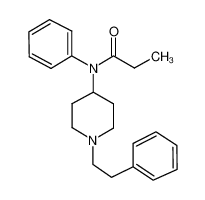
- 437-38-7
- C22H28N2O
- 336.47100
- All (0)
- China (0)
- (0)
- 898283-84-6
- C17H19NO3
- 285.33800
- All (0)
- China (0)
- (0)
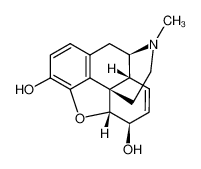
- 143-70-4
- C17H19NO3
- 285.33800
- All (0)
- China (0)
- (0)
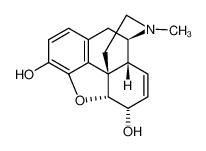
- 57-27-2
- C17H19NO3
- 285.33800
- All (0)
- China (0)
- (0)
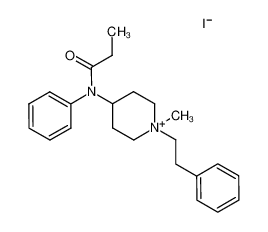
- 1195983-47-1
- C23H31IN2O
- 478.41000
- All (0)
- China (0)
- (0)
- 1422952-82-6
- C22H27FN2O
- 354.46100
- All (0)
- China (0)
- (0)
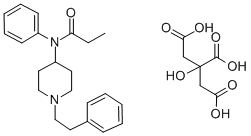
- 990-73-8
- C28H36N2O8
- 528.59
- All (0)
- China (0)
- (0)
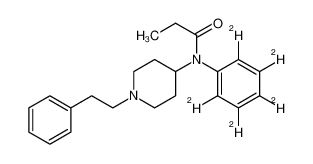
- 201415-26-1
- C22H23D5N2O
- 341.50100
- All (0)
- China (0)
- (0)
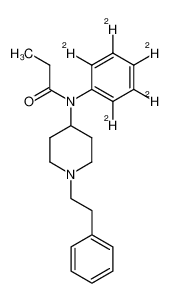
- 118357-29-2
- C22H23D5N2O
- 341.50100
- All (0)
- China (0)
- (0)
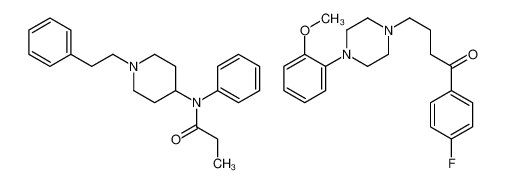
- 52869-98-4
- C43H53FN4O3
- 692.90400
- All (0)
- China (0)
- (0)
Related Products More >

- 1170-81-6
- Request For Quotation
- 103-90-2
- Request For Quotation


Nurses must recognize red flags tied to opioid handling: unexplained discrepancies in medication counts (e.g., missing doses in controlled substance logs), frequent requests to administer opioids to patients, or unusual behavior like volunteering to "waste" leftover doses without witnesses. These actions contrast with proper protocols, where opioid administration and disposal require documentation and oversight to ensure accountability—a critical distinction between appropriate use and diversion.
The response demands adherence to institutional policies and legal obligations. Nurses should report suspicions to a supervisor or designated officer, avoiding confrontation to prevent bias or retaliation. This step is vital because opioids, with their high abuse potential due to rapid binding to mu-opioid receptors and subsequent release of dopamine, require strict controls to maintain their therapeutic role while mitigating harm. Failing to act can perpetuate patient suffering—for example, a postsurgical patient denied adequate opioids may experience unmanaged pain, delaying recovery—and enable coworker addiction, which often escalates without intervention.
A common misconception is that suspicions alone justify accusations, but evidence (e.g., log discrepancies, witness accounts) is necessary to protect due process. Another misunderstanding is minimizing diversion as a "minor" issue; even small amounts can fuel addiction, given opioids’ ability to induce tolerance, requiring higher doses to achieve the same effect, and physical dependence, where withdrawal symptoms occur without regular use.
Addressing diversion upholds the ethical duty to prioritize patient safety and maintains trust in healthcare systems. By ensuring opioids—powerful tools for pain management—are used only as prescribed, nurses preserve their therapeutic value while preventing the harm that stems from misuse, balancing compassion for patients with accountability among colleagues.
In healthcare settings, the repercussions of diversion extend beyond individual patient harm. Colleagues who suspect misconduct face ethical dilemmas: reporting concerns protects patient safety but may strain workplace relationships, while silence enables a cycle of substance misuse and professional compromise. From a pharmacological perspective, opioid diversion undermines inventory control systems designed to track drug distribution, creating discrepancies between recorded and actual usage that complicate audits and regulatory compliance. In extreme cases, diverted opioids may enter illegal markets, perpetuating broader public health crises like the opioid epidemic. Nurses in industrial or occupational health roles might encounter similar issues when managing workplace injury pain, where diversion could lead to underreported injuries or unsafe working conditions if employees fear inadequate analgesia.
Addressing suspected diversion requires a multidisciplinary approach. Nurses should follow institutional protocols, documenting specific incidents and reporting to supervisors or compliance officers while maintaining confidentiality. Education on recognizing signs of substance use disorder—such as frequent errors, unexplained absences, or mood swings—is critical for early intervention. The broader significance lies in reinforcing a culture of accountability and support, where nurses feel empowered to address misconduct without fear of retaliation, ensuring both patient welfare and professional integrity remain paramount across medical, industrial, and ethical domains.
From a procedural standpoint, hospitals maintain strict protocols for handling controlled substances. This includes double-checking inventory logs, using locked automated dispensing systems, and documenting every access to the drug. When diversion is suspected, nurses must rely on objective evidence rather than assumptions, because falsely accusing a colleague carries legal and ethical risks. Reporting to the unit manager, compliance officer, or risk management team ensures that the situation is evaluated appropriately.
For example, if a nurse notices that doses are disappearing faster than patient administration records indicate, or a coworker repeatedly requests replacements without clear justification, these can be red flags. In practice, a structured investigation may include reviewing dispensing records, conducting audits, and monitoring subsequent patient outcomes. Understanding both the pharmacology of opioids and the operational safeguards in place allows healthcare professionals to address diversion effectively while maintaining patient safety and professional integrity. This approach balances vigilance with fairness and reinforces systemic controls in clinical practice.