


 Home
Home
Hi, I’m curious about pain relief options and wanted to ask about the main types of analgesics. I often see different medicines for headaches, muscle aches, or injuries, but I’m not sure how they are categorized. What are the three main types of analgesics, how do they work differently, and in what situations would each type be used? Could you explain it in a way that’s easy to understand for someone without a medical background?
What Are the 3 Types of Analgesics and How Do They Differ?
Related Encyclopedia

- 60603-13-6
- C13H16N2O5S
- 312.34200
- All (0)
- China (0)
- (0)
- 103-90-2
- C8H9NO2
- 151.16
- All (35)
- China (32)
- (35)
- 898283-84-6
- C17H19NO3
- 285.33800
- All (0)
- China (0)
- (0)
- 143-70-4
- C17H19NO3
- 285.33800
- All (0)
- China (0)
- (0)
- 57-27-2
- C17H19NO3
- 285.33800
- All (0)
- China (0)
- (0)
- 58560-75-1
- C13H18O2
- 206.28
- All (102)
- China (12)
- (102)
- 15687-27-1
- C13H18O2
- 206.28
- All (102)
- China (12)
- (102)

- 62741-78-0
- C13H17FO2
- 224.27100
- All (102)
- China (12)
- (102)
- 20675-21-2
- C14H19NO3
- 249.30600
- All (0)
- China (0)
- (0)
- 64315-36-2
- C8H5D4NO2
- 155.18700
- All (0)
- China (0)
- (0)
Related Products More >

- 103-90-2
- 1.0000
- GlassBottlekg
- 64622-45-3
- Request For Quotation
- 25kg Drum
- 64622-45-3
- Request For Quotation
- 1kg/bottle
- 64622-45-3
- Request For Quotation
- 25kg drum
- 58560-75-1
- Request For Quotation
- 58560-75-1
- Request For Quotation
- 58560-75-1
- Request For Quotation
- 57469-77-9
- Request For Quotation


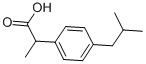
The second category, nonsteroidal anti-inflammatory drugs (NSAIDs) like ibuprofen or naproxen, combine analgesic effects with anti-inflammatory and antipyretic properties. Mechanistically, they inhibit cyclooxygenase enzymes, reducing prostaglandin synthesis and therefore lowering both pain and inflammation. In practical settings, NSAIDs are often employed for conditions where swelling contributes to discomfort, such as tendonitis, arthritis flare-ups, or post-surgical recovery. Their dual action explains why they are commonly preferred for injuries involving soft tissue inflammation.
Opioid analgesics constitute the third group, including drugs such as morphine or oxycodone, which act primarily on the central nervous system’s opioid receptors to modulate pain signaling. These agents are distinguished by their potency and ability to address moderate to severe pain that is unresponsive to non-opioid therapies. In clinical practice, opioids are used selectively for post-operative pain, cancer-related pain, or acute trauma. Understanding the characteristics and mechanisms of these three analgesic classes enables clinicians to tailor therapy according to the intensity of pain, presence of inflammation, and patient-specific safety considerations, ensuring effective and rational pain management in real-world scenarios.
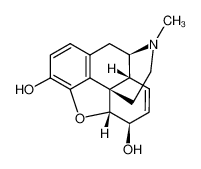
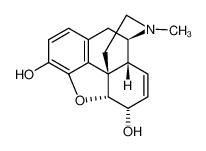
Opioids, such as morphine and oxycodone, act on opioid receptors—mu, delta, and kappa—primarily in the central nervous system. Their chemical structures, often featuring a piperidine ring and aromatic groups, enable binding to these receptors, mimicking endorphins (the body’s natural pain relievers). This binding inhibits neurotransmitters like substance P, blocking pain signals from reaching the brain and reducing both pain perception and emotional distress. They are potent, reserved for moderate to severe pain, but carry risks of dependence and respiratory depression due to their action on brainstem centers.
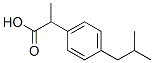
NSAIDs, including ibuprofen and aspirin, target cyclooxygenase (COX) enzymes, which convert arachidonic acid into prostaglandins—lipids that trigger inflammation, pain, and fever. Their structures (e.g., propionic acid in ibuprofen, salicylate in aspirin) allow them to block COX, reducing prostaglandin production. This dual action on pain and inflammation makes them effective for conditions like arthritis or sprains, distinguishing them from other analgesics by their ability to address swelling.
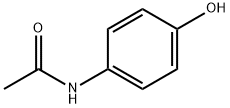
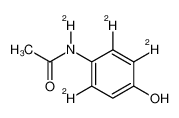
Acetaminophen, a para-aminophenol derivative, lacks anti-inflammatory properties, acting instead on central pain pathways. It may inhibit a brain-specific COX variant or modulate endocannabinoid receptors, reducing pain and fever without affecting peripheral tissues. Its mechanism avoids the gastrointestinal risks of NSAIDs but carries liver toxicity risks at high doses.
A key distinction is that opioids act centrally on receptors, NSAIDs target peripheral inflammation, and acetaminophen focuses on central pain processing. A common misconception is grouping them by strength alone; NSAIDs excel in inflammatory pain, while opioids are for severe, non-inflammatory pain. Understanding these types ensures tailored use: NSAIDs for swelling, acetaminophen for fever with pain, and opioids for intractable pain—maximizing efficacy while minimizing risks like addiction or organ damage.
Opioid analgesics, including morphine, oxycodone, and fentanyl, exert effects by binding to mu-opioid receptors in the central nervous system, spinal cord, and peripheral nerves. This interaction inhibits adenylate cyclase, reduces calcium influx into neurons, and enhances potassium efflux, collectively suppressing neurotransmitter release—particularly substance P and glutamate—that transmits pain signals. Opioids are indispensable for managing severe acute pain, such as post-surgical discomfort or cancer-related pain, where nonopioid options are insufficient. However, their use extends beyond hospitals: emergency responders administer naloxone, an opioid antagonist, to reverse overdoses, while workers with occupational injuries may temporarily rely on opioids for pain relief, though prolonged use risks tolerance, dependence, and addiction, complicating industrial rehabilitation protocols.
Adjuvant analgesics, such as antidepressants (amitriptyline) and anticonvulsants (gabapentin), are not primarily pain medications but enhance analgesic efficacy when used alongside other agents. Amitriptyline increases serotonin and norepinephrine levels in the spinal cord, modulating pain transmission, while gabapentin reduces hyperexcitability of damaged nerves by blocking calcium channels. These drugs are particularly effective for neuropathic pain, a condition often resistant to nonopioids and opioids alone. In clinical practice, adjuvant analgesics expand treatment options for chronic pain patients, reducing reliance on high-dose opioids and their associated risks. By integrating pharmacology, patient-centered care, and policy, understanding these three analgesic types underscores the importance of tailored approaches to pain management, balancing efficacy with safety across medical, industrial, and societal contexts.