


 Home
Home
I’ve been prescribed semaglutide recently, and I’m wondering how it might affect my daily energy levels. Can it make you feel more tired or sleepy than usual? Are there certain times of day when this happens more often? Does it interact with my meals or exercise in a way that increases fatigue? I want to understand if drowsiness is a common side effect, and whether it’s something I should be concerned about while working, driving, or doing daily tasks. Could semaglutide really make someone feel sleepy?
Does Semaglutide Make You Sleepy? Understanding Its Effects on Energy
Related Encyclopedia
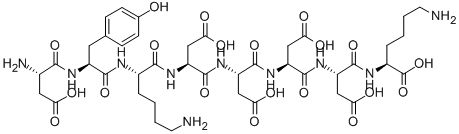
- 98849-88-8
- C41H60N10O20
- 1012.97
- All (3)
- China (3)
- (3)

- 910463-68-2
- C187H291N45O59
- 4113.57754
- All (53)
- China (51)
- (53)
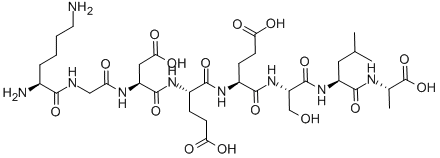
- 73984-05-1
- C34H57N9O16
- 847.87
- All (0)
- China (0)
- (0)
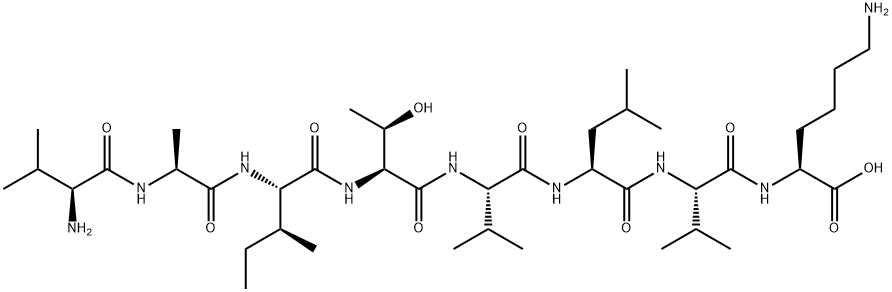
- 145224-99-3
- C40H75N9O10
- 842.08
- All (1)
- China (0)
- (1)

- 39016-05-2
- C137H225N37O49
- 3174.47
- All (1)
- China (0)
- (1)
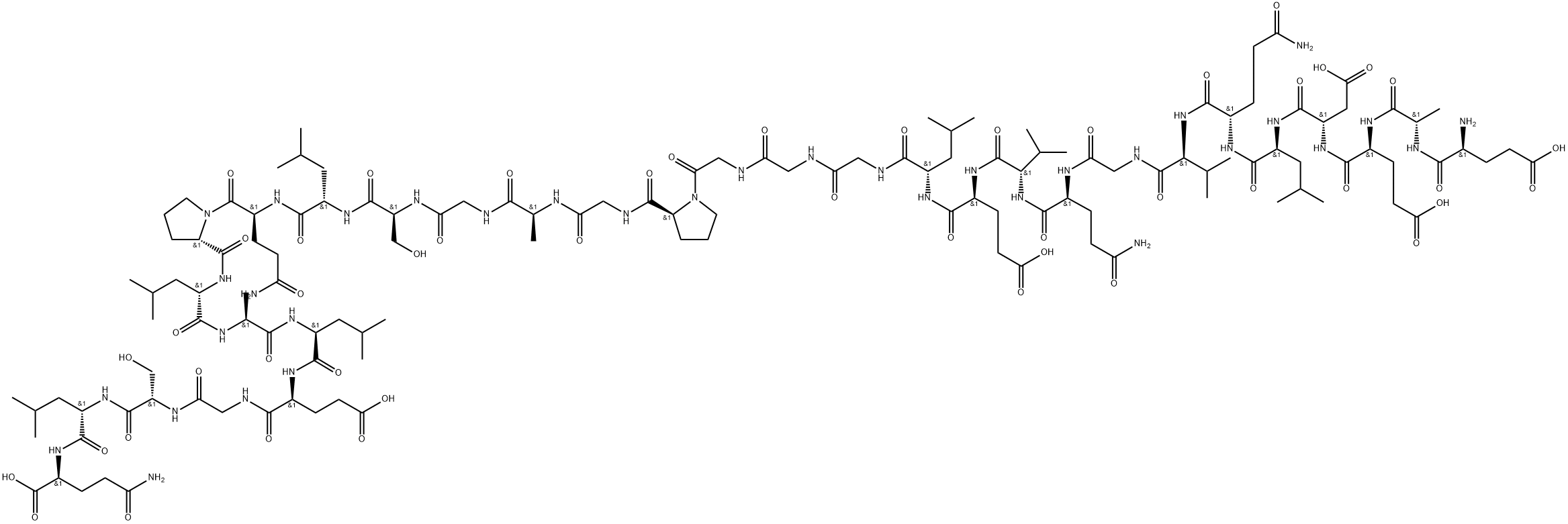
- 33017-11-7
- C129H211N35O48
- 3020.3
- All (1)
- China (0)
- (1)
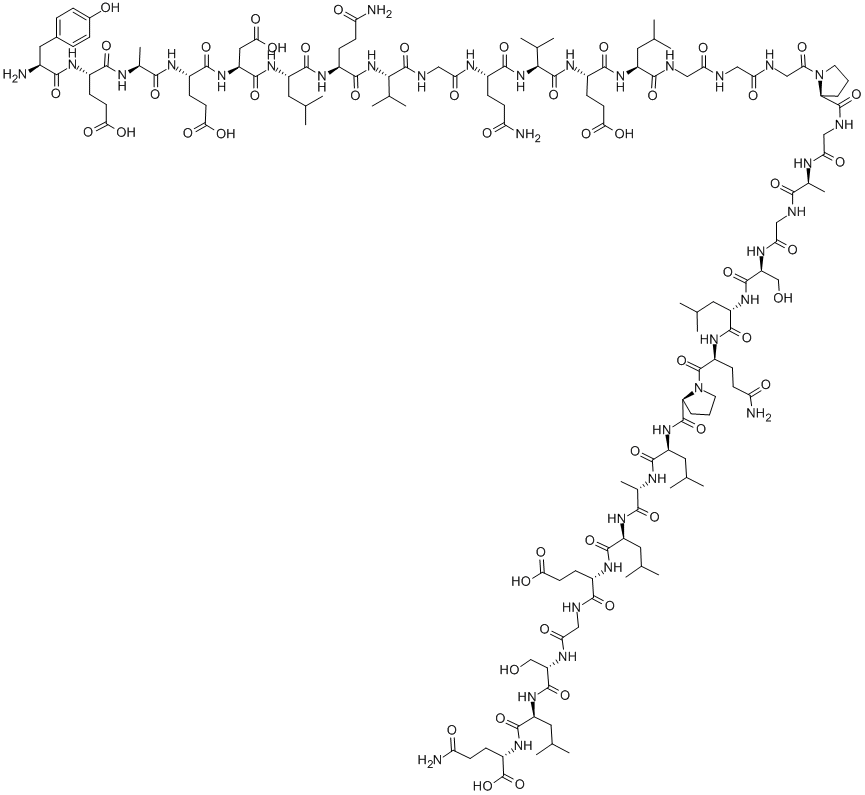
- 57327-90-9
- C138H220N36O50
- 3183.43
- All (0)
- China (0)
- (0)
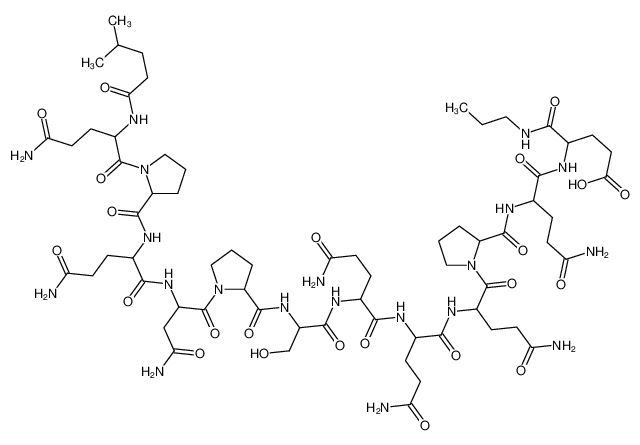
- 102362-76-5
- C109H175N31O35
- 2479.74250
- All (0)
- China (0)
- (0)
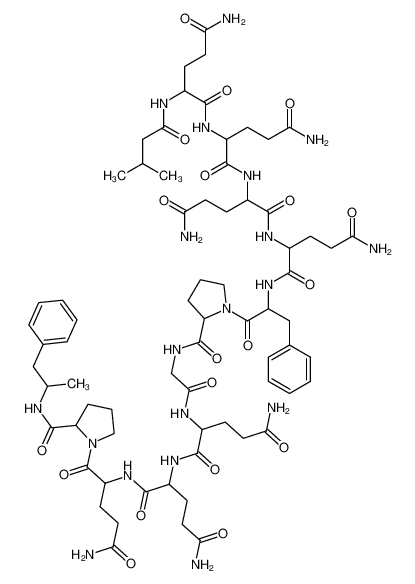
- 102380-93-8
- C170H238N44O48
- 3665.97472
- All (0)
- China (0)
- (0)
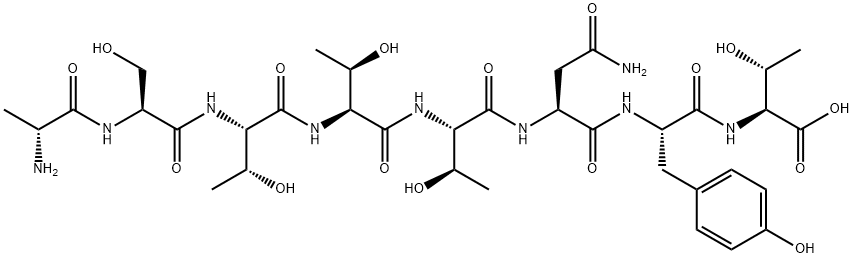
- 106362-33-8
- C35H55N9O16
- 857.86
- All (0)
- China (0)
- (0)
Related Products More >

- 910463-68-2
- USD 300.0000
- 1g
- 910463-68-2
- USD 27.0000
- 50g
- 99287-08-8
- Request For Quotation
- Plastic bottles
- 99027-06-2
- Request For Quotation
- Plastic bottles
- 98849-88-8
- Request For Quotation
- 10mg 20mg/vial,10 vials/box
- 98849-88-8
- Request For Quotation
- 10 bottles/box
- 98849-88-8
- Request For Quotation
- 98849-88-8
- Request For Quotation
- vials/bottle/box/


Some people also find that nausea or stomach upset, which can happen at the beginning, makes them feel sluggish. Usually, as your body adjusts, this tired feeling eases up. It helps to drink enough water, eat balanced meals, and get light movement during the day to keep your energy steady.
The physiological pathways through which semaglutide operates are primarily focused on glucose homeostasis and satiety regulation, rather than central nervous system depression which is typically associated with drugs that cause drowsiness. Unlike antihistamines or certain opioids that cross the blood-brain barrier and affect neurotransmitters involved in wakefulness, semaglutide’s main sites of action are peripheral tissues and specific brain regions related to appetite, not the areas governing alertness. However, side effects like nausea or general malaise, which can occur as the body adjusts to the medication, might lead to a feeling of fatigue that overlaps with the perception of sleepiness.
It is important to distinguish between actual sleepiness caused by a drug’s direct effect and secondary effects that induce similar sensations. For instance, if an individual experiences reduced food intake due to semaglutide’s appetite-suppressing effect, they might temporarily have lower energy levels, leading to a desire to rest, but this is not the same as the drug itself causing drowsiness. Additionally, factors like individual variability in metabolism or concurrent use of other medications could introduce confounding variables, making it necessary to assess each case individually rather than attributing sleepiness directly to semaglutide without further evaluation.
The relationship between semaglutide and sleepiness often stems from its impact on caloric intake and glucose homeostasis. As the medication significantly reduces appetite, some users experience lower calorie consumption, potentially leading to temporary fatigue as the body adjusts to reduced energy intake. For example, a patient starting semaglutide therapy might feel unusually tired during the first few weeks as their metabolism adapts to both the drug and decreased food intake.
Another factor involves blood sugar fluctuations. While semaglutide generally stabilizes glucose levels over time, initial adjustments may occasionally cause mild hypoglycemia, especially if combined with other diabetes medications. This transient drop in blood sugar could manifest as drowsiness. A real-world scenario might involve someone taking semaglutide with insulin secretagogues, where the combined effect requires careful dosage monitoring to avoid energy dips.
Individual responses vary widely, and not everyone experiences sleepiness. Some users report improved energy levels due to better-controlled blood sugar and weight loss. The drug’s indirect effects on sleep quality—through potential reductions in sleep apnea severity or inflammatory markers—might also play a role in daytime alertness for certain patients.
The interplay between semaglutide and the central nervous system provides additional context for its potential impact on alertness. GLP-1 receptors are expressed in regions of the brain associated with appetite regulation, energy expenditure, and even sleep-wake cycles. Modulating these receptors can subtly affect neural signaling pathways that influence overall energy perception and daytime alertness. In practical terms, someone taking semaglutide may notice slightly lower energy levels after meals or on days with reduced caloric intake, as the slowed gastric emptying and appetite suppression contribute to transient dips in alertness. Understanding these effects is essential not only for clinical management but also for daily functioning, including work performance and physical activity planning.
From an interdisciplinary perspective, semaglutide’s influence extends beyond medicine into nutrition science and behavioral health. Its capacity to alter feeding behavior has implications for dietary management strategies, while its mild effects on perceived energy may interact with exercise adherence and daily routines. Industrial applications, such as pharmacological formulation and drug delivery, also consider the pharmacokinetics and central effects to optimize patient experience and minimize undesired fatigue. Recognizing these nuanced interactions helps healthcare providers, patients, and researchers anticipate and manage subtle changes in alertness while harnessing the therapeutic benefits of semaglutide.
In conclusion, while semaglutide is not inherently sedating, its metabolic and neural effects can occasionally manifest as mild sleepiness or lower energy. Patients often find these effects transient, and strategies such as meal planning, hydration, and gradual dose escalation can help mitigate temporary fatigue, making the therapy more manageable in daily life.