


 Home
Home
Hi, I'd like to ask—how do you properly clean polyvinyl chloride? What cleaners work best for PVC? Are there any cleaning products you should avoid using on PVC? How do you clean different PVC items, like pipes or vinyl siding? Got any tips for maintaining PVC's appearance? Thanks!
How to Clean Polyvinyl Chloride? Effective Strategies for Cleaning PVC Surfaces
Related Encyclopedia
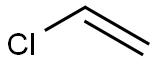
- 9002-86-2
- C2H3Cl
- 62.49822
- All (75)
- China (10)
- (75)
Related Products More >

- 9002-86-2
- CNY Request For Quotation
- 9002-86-2
- CNY 10.0000
- 25kg
- 9002-86-2
- Request For Quotation
- 220kg
- 9002-86-2
- Request For Quotation
- 1ton
- 9002-86-2
- Request For Quotation
- 25kg
- 9002-86-2
- Request For Quotation
- 1ton
- 9002-86-2
- Request For Quotation
- 1ton
- 9002-86-2
- Request For Quotation
- 1kg


When dealing with PVC pipes, the same mild soap solution is effective for external cleaning. For internal buildup, a vinegar and water mixture (1:1) can be poured down the pipe and left for a few minutes before flushing with warm water; this dissolves mineral deposits without harming the pipe. Never use strong chemical drain cleaners that contain sulfuric acid, hydrochloric acid, or sodium hydroxide, as these can eat away at the PVC, causing cracks or weakening the material.
For vinyl siding, apply the soapy solution with a soft brush or a low-pressure hose. Work from the bottom up to prevent dirty water from streaking down already cleaned areas, then rinse thoroughly. High-pressure washers are too harsh and can damage or dislodge the siding. If mold or mildew is present, add 1/2 cup of bleach to a gallon of soapy water, but test this on a hidden spot first to ensure it doesn’t fade the color.
For general cleaning purposes, mild soap solutions are highly effective. A mixture of warm water and gentle dish soap can remove dirt and grime without compromising the integrity of the PVC surface. This method is suitable for a range of PVC items, including pipes and siding. The mild soap solution works by breaking down surface contaminants while preserving the material's protective layer. It is essential to rinse thoroughly with clean water after cleaning to eliminate any soap residue, which can attract further dirt if left on the surface.
When dealing with more persistent stains or mold, vinegar-based solutions offer a natural and effective alternative. Vinegar's acidic properties can dissolve organic matter and disinfect surfaces without the harsh effects of chemical cleaners. A solution of equal parts water and white vinegar can be applied to the PVC surface, allowed to sit for a few minutes, and then wiped clean with a soft cloth. This method is particularly useful for outdoor PVC items that are exposed to moisture and sunlight, which can promote mold growth.
It is crucial to avoid certain cleaning products that can damage PVC. Harsh chemicals such as bleach, ammonia, or solvents should be strictly avoided, as they can cause discoloration, degradation, and even structural weakening of the material. Additionally, abrasive scrubbers or high-pressure water jets should not be used on PVC surfaces, as they can scratch or warp the material.
For specific PVC items like pipes, a gentle approach is recommended. For minor clogs, a mixture of baking soda and vinegar can be poured down the drain, followed by hot water. This natural method effectively breaks down organic material without harming the PVC. For vinyl siding, a soft-bristled brush or sponge with a mild detergent solution can be used to clean the surface. High-pressure washing should be avoided to prevent damage to the siding.
For general cleaning, a mild detergent solution works best. Mix a few tablespoons of pH-neutral dish soap with warm water, and use a soft cloth or sponge to gently scrub the PVC surface. This method is effective for removing everyday dirt, grime, and mild stains without compromising the material’s integrity. Avoid using abrasive tools like steel wool or stiff-bristled brushes, which can scratch the surface, creating micro-abrasions that trap dirt and accelerate wear.
When cleaning PVC pipes—especially those in plumbing systems—avoid chemical drain cleaners containing sulfuric acid or lye. These harsh chemicals can break down the plasticizers in PVC, leading to brittleness, cracks, and potential leaks. Instead, opt for mechanical cleaning methods like a pipe brush or a specially formulated plastic-safe pipe cleaner. For stubborn mineral deposits, a paste made from baking soda and vinegar can be applied as a mild abrasive, but rinse thoroughly to prevent residue buildup.
Vinyl siding requires a slightly different approach due to its exposure to outdoor elements. Start by rinsing the surface with a garden hose to remove loose dirt and debris. Then, prepare a solution of mild soap and water, using a soft-bristle brush or a long-handled siding cleaner to gently scrub away mold, mildew, and stains. Avoid high-pressure washing, which can force water behind the siding or damage the surface if the nozzle gets too close. Instead, use a low-pressure setting and maintain at least 12 inches of distance for safe cleaning.
To maintain PVC’s appearance over time, regular cleaning is essential—but so is protecting the material from environmental stressors. Prolonged exposure to direct sunlight can cause UV degradation, leading to fading and brittleness. Applying a UV-resistant PVC cleaner or conditioner periodically can help preserve color and flexibility. For outdoor items like furniture or fencing, storing them in shaded areas when not in use can significantly extend their lifespan.
Certain products should never be used on PVC, including acetone, bleach, ammonia, and other strong solvents. These chemicals can dissolve the plastic or weaken its structural integrity. Always check the manufacturer’s guidelines for specific cleaning recommendations, particularly for specialized PVC products like medical tubing or electrical insulation. By following these practices, PVC surfaces can remain clean, functional, and visually appealing for years without unnecessary damage.
Similarly, the breakdown of glucose in cells involves a series of chemical reactions, each step catalyzed by an enzyme. These reactions release energy stored in chemical bonds, fueling processes from muscle movement to thinking. Even the oxygen we breathe binds to hemoglobin in blood due to the iron atom at its center, a simple chemical interaction that sustains life.
Exploring these links shows how the smallest molecular details shape the functions of entire organisms. It’s fascinating to see how principles from one field illuminate the other, creating a deeper understanding of the world around us.