


 Home
Home
Many people wonder if ABS plastic is toxic and if it can pose health risks during everyday use. Given that ABS contains chemicals like styrene and butadiene, could it release harmful substances? Is it safe to handle products made from ABS, or should people be cautious about exposure? How does ABS compare to other plastics regarding toxicity? What are the safety concerns when ABS is heated or damaged? Could using ABS in household items be harmful in the long run?
Is ABS Plastic Toxic? Understanding the Risks
Related Encyclopedia
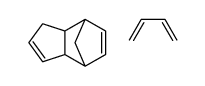
- 49603-39-6
- C14H18
- 186.29300
- All (0)
- China (0)
- (0)
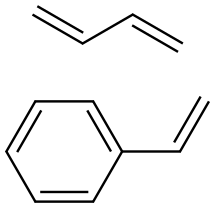
- 9003-55-8
- (C8H8.C4H6)x
- 158.24
- All (5)
- China (1)
- (5)
- 122973-06-2
- C6H5NO+
- 108.11800
- All (38)
- China (36)
- (38)
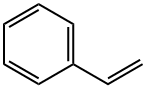
- 100-42-5
- C8H8
- 104.15
- All (38)
- China (36)
- (38)
- 79637-11-9
- C8H8
- 104.15000
- All (38)
- China (36)
- (38)
- 941710-82-3
- C39H65N9O8
- 787.98900
- All (0)
- China (0)
- (0)
- 941710-66-3
- C38H63N9O8
- 773.96200
- All (0)
- China (0)
- (0)
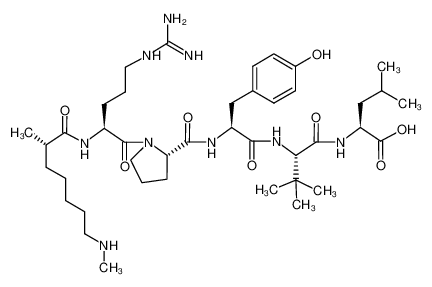
- 1061711-41-8
- C41H69N9O8
- 816.04200
- All (0)
- China (0)
- (0)
- 941710-71-0
- C40H67N11O8
- 830.02900
- All (0)
- China (0)
- (0)
- 874201-00-0
- C40H67N9O8
- 802.01500
- All (0)
- China (0)
- (0)
Related Products More >

- CNY Request For Quotation
- CNY Request For Quotation
- CNY Request For Quotation
- CNY Request For Quotation
- CNY Request For Quotation


Toxicity concerns arise primarily when ABS is heated, burned, or exposed to harsh chemicals, which can break the polymer’s bonds and release volatile components. Combustion, for example, breaks down the copolymer into byproducts like hydrogen cyanide (from acrylonitrile) and styrene gas, both of which are harmful if inhaled. Similarly, prolonged contact with strong solvents such as acetone or gasoline can dissolve surface layers, releasing unreacted monomers or additives like plasticizers, which may have toxic properties.
In industrial settings, workers handling ABS during manufacturing—where the plastic is melted or machined—face risks from fumes released during processing. Proper ventilation and protective equipment mitigate these hazards by limiting exposure to volatile organic compounds. For consumers, avoiding high-temperature use of ABS items (such as microwaving or placing near open flames) prevents thermal degradation, while avoiding contact with harsh cleaners preserves the plastic’s integrity and reduces leaching.
The potential toxicity of ABS is thus context-dependent, rooted in the polymer’s response to external stressors rather than inherent properties. This highlights the importance of understanding material behavior under different conditions, guiding safe use in both industrial and household contexts. As a versatile material, ABS demonstrates how polymer chemistry balances functionality with safety, requiring informed handling to maximize its benefits while minimizing risks.
In practical terms, ABS plastic is considered stable and safe for most everyday applications. It does not readily leach harmful chemicals at room temperature or during typical use. Problems arise when ABS is subjected to extreme conditions such as high heat, combustion, or mechanical degradation. For example, burning ABS releases toxic gases like styrene vapors and butadiene, which can pose inhalation hazards. This is why ABS waste should not be incinerated without proper controls. Additionally, prolonged exposure to elevated temperatures may cause some chemical migration, but this is uncommon in typical consumer scenarios.
An example of ABS usage in real life is its presence in children’s toys. Regulatory bodies often assess such products for safety, and ABS generally meets these standards due to its inert nature in solid form. The risk profile of ABS contrasts with some other plastics that contain additives or plasticizers with higher toxicity potential. Overall, understanding ABS toxicity requires distinguishing between the properties of its monomers versus the polymerized material and recognizing that real-world safety depends largely on exposure conditions.
The practical risk depends on usage conditions. For example, a 2024 safety guide for 3D printing highlighted that ABS filaments heated above 240°C can emit volatile organic compounds (VOCs), including styrene, which may irritate respiratory systems. Conversely, a toy manufacturer emphasized that their food-grade ABS products undergo rigorous curing processes to minimize residual monomers, ensuring safety for children’s use.
In everyday life, ABS is generally safe for items like LEGO bricks or computer cases, where exposure to heat or chemicals is minimal. However, avoiding prolonged contact with hot foods or solvents is advisable, as these can degrade the plastic and increase leaching risks. Always check for certifications like “non-toxic” or “food-safe” when using ABS in high-contact scenarios, balancing its utility with awareness of its chemical composition.