


 Home
Home
I’m wondering about the best ways to get hard water stains off of plastic surfaces. What household products can effectively remove those stubborn mineral deposits? Are there safe methods that won’t harm the plastic? Also, how often should plastic items be cleaned to prevent these stains? I’d like to ask what common mistakes people make when trying to clean hard water stains?
How to Get Hard Water Stains Off of Plastic Without Damaging It: What Works Best?
Related Encyclopedia
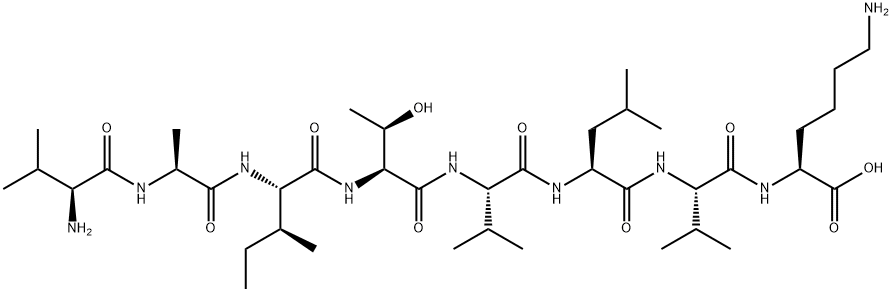
- 145224-99-3
- C40H75N9O10
- 842.08
- All (1)
- China (0)
- (1)
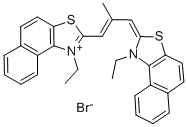
- 7423-31-6
- C30H27BrN2S2
- 559.58
- All (0)
- China (0)
- (0)

- 8020-83-5
- 0.00000
- All (51)
- China (4)
- (51)
- 8042-47-5
- N/A
- 23.9979
- All (51)
- China (4)
- (51)
- 7440-70-2
- Ca
- 40.08
- All (5)
- China (3)
- (5)
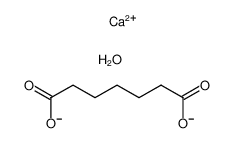
- 18850-79-8
- C7H12CaO5
- 216.24500
- All (0)
- China (0)
- (0)
![2-[3-(AMinocarbonyl)-4-(2-Methylpropoxy)phenyl]-4-Methyl-5-thiazolecarboxylic Acid](https://chemcloud-1304660855.cos.ap-shanghai.myqcloud.com/compound/202502120016170389.gif?imageMogr2/format/webp)
- 1239233-86-3
- C16H18N2O4S
- 334.39
- All (0)
- China (0)
- (0)
- 115944-40-6
- CCaN3O2+
- 126.10800
- All (0)
- China (0)
- (0)
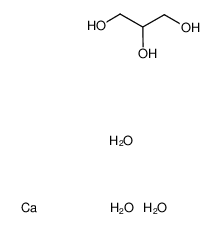
- 18879-29-3
- C3H14CaO6
- 190.24900
- All (0)
- China (0)
- (0)
- 117319-55-8
- C18H33CaO3+
- 337.53100
- All (0)
- China (0)
- (0)
Related Products More >

- 7778-54-3
- CNY Request For Quotation
- 7757-93-11
- CNY Request For Quotation
- 7757-93-10
- CNY Request For Quotation
- 7757-93-9
- CNY Request For Quotation
- 10389-09-2
- CNY Request For Quotation
- 10389-09-1
- CNY Request For Quotation
- 10389-09-0
- CNY Request For Quotation
- 35947-07-2
- CNY Request For Quotation


Physicochemically, plastic’s low surface energy—a result of its non-polar polymer chains—limits initial mineral adhesion. However, prolonged exposure allows minerals to penetrate surface pores, forming chemical bonds with functional groups introduced during manufacturing (e.g., plasticizers, stabilizers). Thermal cycling exacerbates this by expanding and contracting the polymer matrix, creating stress fractures that trap minerals.
Effective removal demands disrupting these bonds without damaging the plastic. Acidic solutions (e.g., diluted vinegar or citric acid) protonate carbonate ions, dissolving deposits via CO₂ release. For stubborn stains, chelating agents like EDTA sequester calcium ions, weakening mineral-polymer interactions. Mechanical action—using soft microfiber cloths or non-abrasive sponges—prevents surface scratching, which could create new adhesion sites.
This issue extends beyond household cleaning. In industrial piping, hard water scaling reduces flow efficiency and increases energy consumption. Medical devices with plastic components face similar challenges, as mineral buildup can harbor pathogens or interfere with functionality. Proper stain removal thus intersects materials science, environmental chemistry, and engineering, emphasizing preventive strategies like water softening or hydrophobic coatings. By addressing both the symptoms and root causes of mineral deposition, this approach enhances material durability, operational efficiency, and hygiene across sectors, illustrating how microscopic interactions drive macroscopic outcomes.
A mild acid like white vinegar (acetic acid) works effectively here because it reacts with calcium carbonate to form soluble calcium acetate, carbon dioxide, and water, breaking down the stain without damaging the plastic. This distinguishes plastic cleaning from metal, where acidic solutions might cause corrosion, or from marble, which is susceptible to etching. Avoid using abrasive scrubbers, as plastic’s relatively low hardness (compared to glass) means scratches can form, creating new sites for mineral buildup. Instead, soak a cloth in vinegar, apply it to the stained area, and let it sit for 10–15 minutes to allow the acid to dissolve the minerals, then wipe gently.
For stubborn stains, a paste of baking soda and water can enhance mechanical action without excessive abrasion; the alkaline baking soda also reacts with any remaining acid, neutralizing it to prevent residue. Contrary to a common misconception, boiling water alone is ineffective because it does not dissolve the mineral salts, and extreme heat can warp some plastics. After treatment, rinse thoroughly with water to remove any dissolved minerals or cleaning agents, ensuring the plastic’s surface remains smooth and resistant to future staining. This method leverages chemical reactivity specific to mineral deposits while respecting plastic’s structural limitations.
Plastic materials, often made of polymers such as polyethylene or polypropylene, have smooth, hydrophobic surfaces that do not absorb water, but mineral deposits can still accumulate in microscopic crevices or on textured finishes. The removal process usually involves breaking down the mineral compounds without harming the polymer material.
Acidic substances, like acetic acid found in vinegar, are effective because they react chemically with calcium carbonate, dissolving the deposits into soluble compounds that can be easily wiped away. This acid-base reaction targets the mineral stains without affecting the plastic polymer chains, provided the acid concentration and contact time are controlled.
In practice, diluted vinegar solutions are commonly applied to stained plastic items to soften and dissolve hard water deposits. Following this, gentle mechanical action, such as scrubbing with a soft brush, helps lift the loosened residues. Baking soda can also be used as a mild abrasive in combination with water to assist in stain removal, especially for more stubborn spots.
Regular cleaning and rinsing of plastic surfaces exposed to hard water can prevent significant buildup and prolong the life and appearance of outdoor furniture, containers, or household items. Understanding the chemical interaction between mineral deposits and cleaning agents allows for effective stain removal while preserving the integrity of plastic materials.