


 Home
Home
If you have retinol, niacinamide, and hyaluronic acid in your skincare lineup, it can be confusing to know the right order to apply them. Does the order even matter? Could putting them in the wrong sequence make them less effective or even cause irritation? Is it better to layer them all at once or separate them into different routines? And most importantly, how can you figure out which one goes first so your skin gets the most benefit?
What Goes First: Retinol, Niacinamide, or Hyaluronic Acid?
Related Encyclopedia
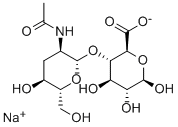
- 9004-61-9
- C14H22NNaO11
- 403.31
- All (106)
- China (43)
- (106)
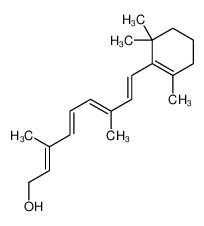
- 5979-23-7
- C20H30O
- 286.45200
- All (33)
- China (19)
- (33)
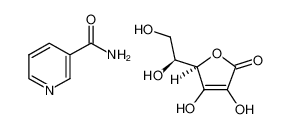
- 1987-71-9
- C12H14N2O7
- 298.25000
- All (0)
- China (0)
- (0)
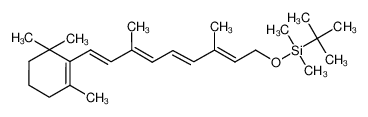
- 118353-70-1
- C26H44OSi
- 400.71200
- All (0)
- China (0)
- (0)
- 5259-92-7
- C12H17N3O
- 219.28300
- All (0)
- China (0)
- (0)
- 17706-49-9
- C20H30O
- 286.45200
- All (0)
- China (0)
- (0)
- 749150-51-4
- C13H14O3S
- 250.31300
- All (0)
- China (0)
- (0)
- 62702-55-0
- C20H28O2
- 300.44000
- All (0)
- China (0)
- (0)
- 2052-63-3
- C20H30O
- 286.45
- All (0)
- China (0)
- (0)
- 22737-97-9
- C20H30O
- 286.45
- All (0)
- China (0)
- (0)
Related Products More >

- CNY Request For Quotation
- CNY Request For Quotation
- 98-92-0
- Request For Quotation
- 98-92-0
- Request For Quotation
- 98-92-0
- Request For Quotation
- 98-92-0
- Request For Quotation
- 98-92-0
- Request For Quotation
- 98-92-0
- Request For Quotation


Retinol is the heavy hitter here. Since it’s a bit stronger and can sometimes cause dryness, it usually goes on after lighter, water-based products but before your heavier creams. Some people even prefer to use it at night and keep the others for the morning to avoid irritation.
The main idea is to start with the thinnest, most watery product and move toward the thicker ones. That way, your skin soaks up each layer properly without blocking the others.
Niacinamide, a form of vitamin B3, is a water-soluble compound that functions by regulating sebum production, supporting the skin’s barrier function through the synthesis of ceramides, and reducing the appearance of hyperpigmentation. Its molecular structure allows it to penetrate the stratum corneum effectively, but it performs optimally when the skin is already hydrated. Applying niacinamide after hyaluronic acid ensures that the moisture is locked in, enhancing niacinamide’s ability to strengthen the skin barrier without causing dryness, which is a common concern if these steps are reversed.
Retinol, a derivative of vitamin A, works by stimulating collagen production and accelerating cell turnover in the dermis and epidermis. It is脂溶性的 (lipophilic), meaning it penetrates the skin through lipid layers, and its effectiveness is enhanced when applied to a clean, dry skin surface. However, retinol can be irritating and drying, so applying it after hyaluronic acid and niacinamide creates a buffer. The hyaluronic acid provides hydration, and niacinamide’s anti-inflammatory properties help mitigate retinol-induced redness or sensitivity. Using retinol first would risk reducing the efficacy of hyaluronic acid and niacinamide, as retinol’s脂溶性 nature could block the water-soluble ingredients from penetrating properly.
A common misconception is that these ingredients cannot be used together, but their compatibility lies in the order of application. Water-soluble ingredients like hyaluronic acid and niacinamide should be applied before脂溶性 ones like retinol to ensure each layer is absorbed effectively. This sequence maximizes hydration, strengthens the skin barrier, and enhances the anti-aging benefits of retinol without compromising safety or efficacy.
From a physicochemical standpoint, application order is often guided by molecular size, solubility, and intended site of action. Water-based agents such as hyaluronic acid and niacinamide diffuse more readily through hydrated keratin layers when applied first, allowing lipid-soluble compounds like retinol to follow and integrate into deeper lipid-rich domains. The polarity and viscosity of each formulation also influence absorption kinetics, meaning a lighter serum will typically precede a denser emulsion or cream. In addition, pH compatibility is a consideration: retinol exhibits greater stability and efficacy in slightly acidic environments, while niacinamide remains functional across a broader pH range, reducing the risk of degradation when used in proximity.
The sequence also carries implications beyond personal skincare. In dermatology, layering strategies are applied when combining topical retinoids with barrier-repair agents to improve patient adherence and minimize irritation. In cosmetic chemistry, formulating multi-active products requires balancing these molecules’ chemical stability, sometimes through encapsulation or time-release delivery systems. Hyaluronic acid’s hydrophilic nature has inspired biomaterial applications in wound healing and ophthalmology, while niacinamide’s barrier-enhancing properties are relevant in atopic dermatitis management. Retinol’s role in modulating keratinocyte differentiation has analogues in oncology research exploring retinoid pathways.
Even in industrial design, the principle of ordering by molecular properties parallels sequential coatings in materials science, where hydrophilic primers are applied before hydrophobic sealants to optimize adhesion and function. The broader significance lies in how this sequence reflects a universal interface principle: to maximize performance, match the application order to the interaction between the medium, the carrier, and the target substrate. In the case of skin, that means letting water-loving molecules pave the way before lipid-loving actives take effect.
The mechanism behind this sequence lies in the solubility and penetration depth of each ingredient. Water-based products like niacinamide and hyaluronic acid should precede oil-soluble retinol to ensure proper absorption. For example, applying hyaluronic acid on damp skin pulls moisture into the epidermis, while niacinamide soothes and strengthens the barrier, creating a better base for retinol’s exfoliating effects. A practical routine might involve cleansing, applying a niacinamide serum, followed by hyaluronic acid, and finishing with retinol. This minimizes irritation while maximizing benefits.
Real-world application varies based on individual skin tolerance. Someone with sensitive skin might buffer retinol by applying it after a moisturizer, while others may layer it directly after hyaluronic acid. The key is observing how the skin responds—niacinamide’s anti-inflammatory properties can counteract retinol’s dryness, and hyaluronic acid’s plumping effect complements both. Experimentation helps tailor the sequence to personal needs, but the general principle of lightest to heaviest textures remains a reliable guide.