


 Home
Home
People often hear about niacinamide in skincare products, but many are still unsure about what it really does. Some say it’s mainly for brightening skin tone, others claim it helps with fine lines, and a few mention it can keep your skin moisturized. But can niacinamide actually hydrate your skin, or is it just a supporting ingredient that works alongside other moisturizers? How does it compare to ingredients like hyaluronic acid when it comes to keeping your skin soft and plump?
Is Niacinamide Hydrating for Your Skin?
Related Encyclopedia
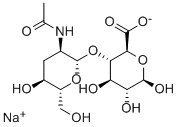
- 9004-61-9
- C14H22NNaO11
- 403.31
- All (106)
- China (43)
- (106)
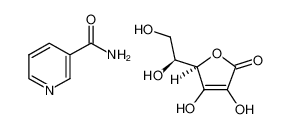
- 1987-71-9
- C12H14N2O7
- 298.25000
- All (0)
- China (0)
- (0)
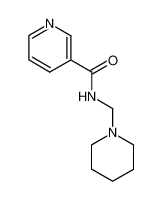
- 5259-92-7
- C12H17N3O
- 219.28300
- All (0)
- China (0)
- (0)
Related Products More >

- CNY Request For Quotation
- CNY Request For Quotation
- CNY Request For Quotation
- CNY Request For Quotation
- 98-92-0
- Request For Quotation
- 98-92-0
- Request For Quotation
- 98-92-0
- Request For Quotation
- 98-92-0
- Request For Quotation


Niacinamide works by strengthening your skin’s natural barrier. When your skin barrier is happy and healthy, it’s better at locking in moisture and keeping out things that can make it dry or irritated. This means even if niacinamide isn’t flooding your skin with hydration on its own, it makes whatever moisture you give your skin last longer.
In real life, you’ll find niacinamide in face creams, serums, or even some sunscreens. People often use it alongside a hydrating ingredient like hyaluronic acid, so you’re getting both the “water” and the “lid.” If your skin feels dry or tight, using niacinamide regularly can help it feel smoother, softer, and less thirsty over time.
Unlike hyaluronic acid, which primarily attracts and binds water molecules in the skin’s superficial layers, niacinamide’s hydrating effect is more indirect and long-term, focusing on barrier integrity rather than immediate moisture retention. This distinction means niacinamide provides sustained hydration benefits, particularly beneficial for compromised or sensitive skin types that struggle with maintaining a healthy barrier.
A common misconception is that niacinamide acts as a humectant like glycerin, drawing water from the environment into the skin. In reality, its hydrating effects are secondary to its role in barrier repair; by strengthening the skin’s natural defenses, it reduces water loss, allowing the skin to retain its own moisture more effectively. This makes it a versatile ingredient, suitable for a range of skin concerns beyond hydration, including regulating sebum production and improving texture, while still contributing to a well-hydrated complexion.
From a physiological perspective, niacinamide interacts with the epidermis at both biochemical and structural levels. By influencing the expression of genes related to barrier repair and inflammation control, it helps stabilize the skin’s microenvironment. The improved barrier reduces moisture diffusion out of the skin while also protecting against environmental aggressors such as pollutants and irritants that can disrupt hydration balance. In terms of physical chemistry, this process can be seen as altering the permeability characteristics of the outer skin layer, allowing it to retain water more effectively without directly binding to water molecules in the way polysaccharide-based humectants do.
The significance of these mechanisms is evident in practical scenarios. In dermatology, niacinamide is incorporated into formulations targeting conditions characterized by impaired barrier function, such as atopic dermatitis and rosacea, where hydration retention is critical. In cosmetic science, it is valued not only for its hydration support but also for its ability to modulate sebum production, improve elasticity, and diminish the appearance of fine lines. The same barrier-enhancing properties make it relevant in occupational skincare, where frequent washing or exposure to solvents leads to chronic dryness. Even in wound care and post-procedural settings, its contribution to barrier recovery indirectly promotes better moisture levels, which supports healing.
Looking at it from a broader, interdisciplinary angle, the hydrating effect of niacinamide can be understood as part of a systemic network of skin physiology, nutrition, and material science. Its molecular stability and compatibility with various pH levels make it easy to formulate across industries, from personal care to medical products. Furthermore, its relatively low irritation potential allows for high-frequency use, which is essential for cumulative barrier reinforcement. The result is a compound that does not merely add water to the skin, but optimizes the skin’s intrinsic capacity to preserve it—an outcome that carries implications not just for beauty, but for health and quality of life in multiple contexts.
Beyond barrier repair, niacinamide also modulates sebum production, which can indirectly influence hydration levels in oily or combination skin. For instance, in acne-prone skin, excessive sebum often coexists with dehydration due to harsh treatments. Here, niacinamide’s dual action—normalizing oil flow while reinforcing barrier function—can create a more balanced, hydrated complexion. A practical example is its use in moisturizers formulated for sensitive or rosacea-affected skin, where barrier support is essential to prevent moisture depletion triggered by inflammation.
The ingredient’s hydrating potential is further amplified when paired with humectants or occlusives. In a routine, layering niacinamide with hyaluronic acid can yield synergistic effects: the humectant draws water into the skin, while niacinamide ensures it stays locked in. This combination is common in clinical settings for treating conditions like eczema, where both hydration and barrier repair are priorities. Its versatility underscores why niacinamide is a staple in skincare, even if its hydrating role is less direct than other actives.