


 Home
Home
Hi there, could you help me figure something out? I'm wondering how to properly clean a plastic fuel tank at home. Do I need to remove all the fuel first, or can I clean it while some fuel is still inside? What kind of cleaning products are safe to use without damaging the plastic? Also, how do I get rid of any sludge or old fuel smell left behind? Could you walk me through the basic steps for doing this safely?
How to Clean a Plastic Fuel Tank Without Damaging It?
Related Encyclopedia
- 64742-49-0
- N/A
- 112
- All (0)
- China (0)
- (0)
![[4-[(E)-2-(5,5,8,8-tetramethyl-6,7-dihydronaphthalen-2-yl)prop-1-enyl]phenyl]methanol](https://chemcloud-1304660855.cos.ap-shanghai.myqcloud.com/compound/50d21f6fcaa34dec91920183ac1c1739.png?imageMogr2/format/webp)
- 71441-30-0
- C24H30O
- 334.49400
- All (0)
- China (0)
- (0)
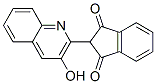
- 75216-45-4
- C18H11NO3
- 289.28
- All (0)
- China (0)
- (0)
- 64742-94-5
- C9
- 0
- All (22)
- China (4)
- (22)
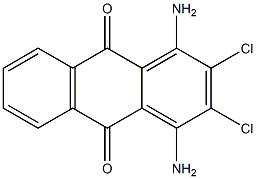
- 70956-27-3
- C14H8Cl2N2O2
- 307.13152
- All (0)
- China (0)
- (0)
- 74027-89-7
- C17H14N2O
- 262.30600
- All (0)
- China (0)
- (0)
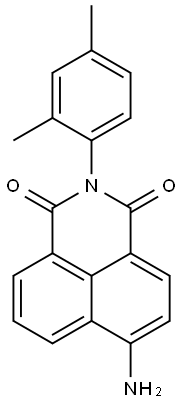
- 2478-20-8
- C20H16N2O2
- 316.35
- All (0)
- China (0)
- (0)
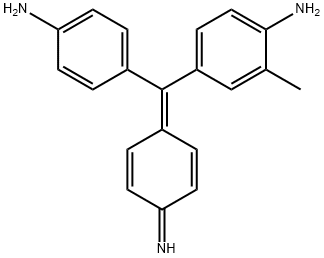
- 3248-93-9
- C20H19N3
- 301.39
- All (0)
- China (0)
- (0)
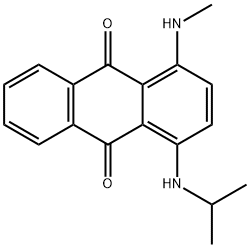
- 15403-56-2
- C18H18N2O2
- 294.35
- All (0)
- China (0)
- (0)
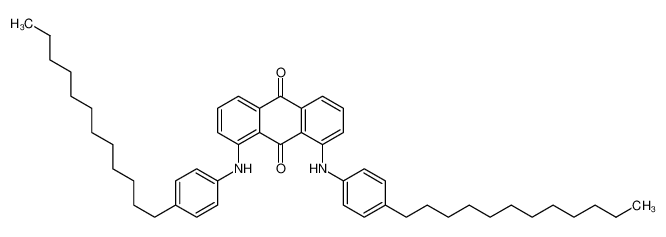
- 42887-23-0
- C50H66N2O2
- 727.07100
- All (0)
- China (0)
- (0)
Related Products More >

- 67-56-1
- Request For Quotation
- 93-46-9
- CNY 4500.0000
- 1ton
- 67-56-1
- CNY 2400.0000
- 1ton
- 63449-39-8
- USD 1000.0000
- 1200kg
- CAS 57-11-4
- USD 800.0000
- 25kg
- 71902-18-6
- Request For Quotation
- 25kg
- 71902-18-6
- Request For Quotation
- 1ton
- 71902-18-6
- Request For Quotation
- 1ton


The process begins with draining all fuel, then flushing with a mixture of warm water and a detergent designed to emulsify hydrocarbon residues. Detergents work by reducing surface tension, allowing water to penetrate and lift oily deposits without reacting with HDPE. For stubborn varnish—formed by oxidized fuel components—using isopropyl alcohol (IPA) is effective; its polar structure dissolves organic compounds but is inert to HDPE, unlike stronger alcohols that might cause crazing. Mechanical cleaning, using a soft brush or a circulation pump with a cleaning solution, dislodges particulate matter without scratching the plastic’s surface, as scratches can trap future contaminants and accelerate microbial growth.
A common misconception is that bleach or acidic cleaners are suitable; these can degrade HDPE over time, weakening the tank’s structural integrity, or leave residues that react with fuel. Similarly, high-pressure water jets risk damaging seams or fittings, where the plastic’s molecular density is lower. After cleaning, thorough rinsing with distilled water removes detergent residues, and air-drying ensures no moisture remains—critical because water promotes microbial growth in fuel. This understanding of HDPE’s chemical inertness and contaminant properties ensures effective cleaning without compromising the tank’s durability, maintaining fuel system efficiency and preventing engine damage.
The cleaning process begins with fully draining the tank. This is essential because any remaining fuel can interfere with cleaning agents and pose fire risks. After draining, mechanical agitation using water and small abrasive media (such as clean gravel or nuts and bolts) can be used to loosen internal debris. The tank is then rinsed thoroughly.
For chemical cleaning, a diluted solution of a degreaser or a mild solvent such as isopropyl alcohol or methanol can be introduced. These help dissolve varnish and hydrocarbon deposits without damaging the plastic. Care must be taken to avoid aggressive solvents like acetone, which can degrade HDPE structure. Once the chemical treatment is complete, multiple rinses with clean water are necessary to prevent residual contamination. Compressed air may be used to dry the tank internally.
This method is particularly relevant for small engine fuel systems, such as those in lawn mowers, motorcycles, or boats, where fuel quality degradation is common due to infrequent use. Cleaning helps maintain fuel purity, ensures proper engine function, and extends the service life of fuel system components. Regular inspection and cleaning can prevent performance issues linked to clogged filters, fuel starvation, or injector fouling.
The cleaning process hinges on chemical compatibility: HDPE’s non-polar structure resists most solvents, but aggressive chemicals like acetone or methyl ethyl ketone (MEK) can swell or crack the material if used improperly. Instead, a two-stage approach is common: first, mechanical agitation with biodegradable detergents or hot water loosens particulate matter, while ultrasonic waves or pressure washing dislodges stubborn deposits. For microbial contamination—common in ethanol-blended fuels—enzymatic cleaners or diluted bleach solutions (followed by thorough rinsing) break down organic biofilms without damaging the plastic.
Physically, the tank’s geometry complicates cleaning: baffles or internal ribs designed to reduce fuel sloshing create crevices where contaminants accumulate. Specialized tools like flexible brushes or vacuum systems help reach these areas. In daily life, neglecting fuel tank cleaning can lead to clogged filters, reduced engine efficiency, or even fuel pump failure, while improper methods risk introducing toxic residues into the environment. Industrially, standardized cleaning protocols ensure compliance with emissions regulations, as residue buildup alters fuel-air ratios, increasing pollutants.
The broader significance lies in balancing material science with practical maintenance: understanding plastic’s limitations informs the development of self-cleaning coatings or additives that inhibit microbial growth, while promoting eco-friendly detergents reduces ecological harm. This intersection of chemistry, engineering, and environmental stewardship underscores how routine tasks like fuel tank cleaning reflect broader challenges in sustainable resource management and technological adaptation.