


 Home
Home
We wear clothes made of all kinds of materials every day, but do we really know where they come from? Some fabrics come from nature, like cotton or wool, while others are created in factories. So when it comes to nylon, what’s the story? Is nylon something that comes from natural sources, or is it made by humans in a lab? How can we tell if a fiber is natural or synthetic just by looking at it? And does it even matter?
Is Nylon a Natural Fiber or Something Man-Made?
Related Encyclopedia
- 63428-84-2
- 0
- All (16)
- China (1)
- (16)

- 124-09-4
- C6H16N2
- 116.2
- All (6)
- China (6)
- (6)
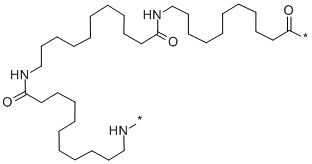
- 25035-04-5
- C33H63N3O3X2
- 549.87
- All (0)
- China (0)
- (0)
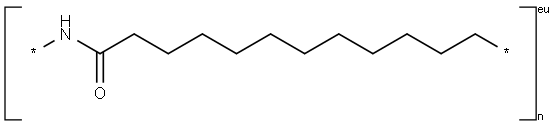
- 24937-16-4
- (C12H23NO)n
- 591.95
- All (0)
- China (0)
- (0)

- 25038-54-4
- C18H33N3O3X2
- 339.47
- All (15)
- China (3)
- (15)
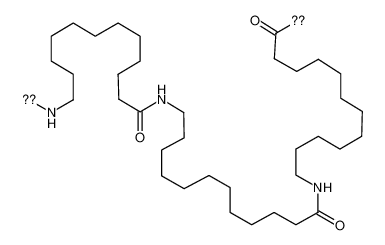
- 25038-74-8
- C36H69N3O3X2
- 591.95100
- All (0)
- China (0)
- (0)

- 9008-66-6
- (C16H30N2O2)n
- 0.00000
- All (0)
- China (0)
- (0)
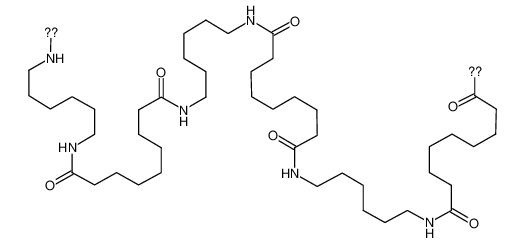
- 27136-65-8
- C45H84N6O6X2
- 805.19000
- All (0)
- China (0)
- (0)
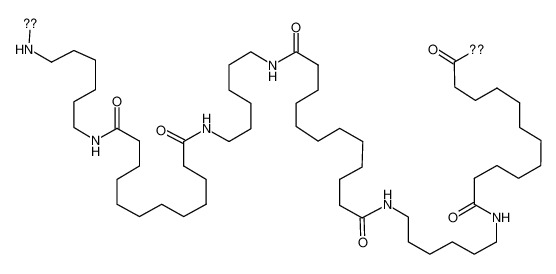
- 24936-74-1
- C54H102N6O6X2
- 931.42400
- All (0)
- China (0)
- (0)
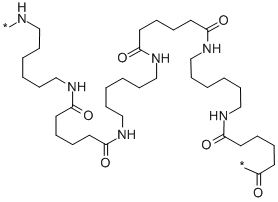
- 32131-17-2
- C36H66N6O6X2
- 678.95
- All (0)
- China (0)
- (0)
Related Products More >

- 27083-27-8
- Request For Quotation
- 1kg
- 27083-27-8
- Request For Quotation
- 25kg
- 27083-27-8
- Request For Quotation
- 1ton
- 27083-27-8
- Request For Quotation
- 500g
- 27083-27-8
- Request For Quotation
- 1kg
- 27083-27-8
- Request For Quotation
- 25kg
- 27083-27-8
- Request For Quotation
- 1ton
- 27083-27-8
- Request For Quotation
- 25kg


You’ll see nylon everywhere—think backpacks, stockings, sportswear, even umbrellas. It’s super strong, dries quickly, and doesn't wrinkle easily, which makes it great for daily use. But because it’s synthetic, it doesn’t break down in nature the same way natural fibers do. So while it’s super practical, it's not the best when it comes to being eco-friendly.
Ever touched something that felt kinda smooth and stretchy, like workout gear or tights? There’s a good chance that’s nylon.
In practical terms, these properties make nylon invaluable in numerous applications. For instance, it is a common material in sportswear, where its moisture-wicking ability and stretchiness enhance comfort during physical activity. Similarly, nylon is widely used in the production of carpets and upholstery because its toughness allows it to withstand heavy foot traffic and frequent use without wearing out easily. Its resistance to water also makes it suitable for items like umbrellas and raincoats, where repelling moisture is essential. Unlike cotton, which absorbs water and becomes heavy when wet, nylon remains lightweight and dries rapidly, a characteristic that arises from its synthetic composition and the way its molecules interact with water molecules. This combination of strength, durability, and versatility solidifies nylon’s role as a staple in modern manufacturing, distinct from the natural fibers that have been used for centuries.
From a molecular perspective, nylon’s structure consists of repeating units linked by amide groups, mimicking some characteristics of natural proteins but with a much more stable and uniform configuration. This gives it remarkable mechanical properties such as durability, elasticity, and chemical resistance. Physically, nylon exhibits a smooth surface, low moisture absorbency, and a relatively high melting point, making it suitable for both textile and engineering applications. Thermoplastically, it can be melted and reshaped, which adds to its versatility in manufacturing.
In daily life, nylon revolutionized fashion, particularly in hosiery and activewear, by offering a lightweight, stretchy, and long-lasting alternative to silk. Beyond clothing, it is widely used in the automotive, aerospace, and construction industries due to its structural reliability and cost efficiency. In medicine, nylon sutures are commonly employed because of their biocompatibility and resistance to degradation within the human body. The material’s role in 3D printing and composite manufacturing continues to expand, demonstrating its relevance in emerging technologies.
Interdisciplinary implications of nylon include environmental science, where its non-biodegradability raises concerns about plastic pollution and waste management. In economics, nylon exemplifies the transition from resource-based to knowledge-based production, where synthetic innovation can disrupt traditional industries. Socially, it played a role in democratizing access to durable consumer goods during and after wartime economies.
Understanding nylon is essential not only for appreciating its functional benefits but also for critically examining the broader consequences of synthetic materials in modern society.
The key attributes of nylon extend beyond textiles. Its moisture-resistant nature and ability to retain shape under stress make it ideal for applications like parachutes, fishing lines, and even toothbrush bristles. Unlike natural fibers, which can degrade when exposed to moisture or pests, nylon’s synthetic composition ensures longevity in harsh environments. However, this very durability raises ecological concerns, as nylon is non-biodegradable and relies on petroleum-based raw materials. Innovations like recycled nylon aim to mitigate these issues, though the material’s environmental impact remains a trade-off for its performance.
In practice, nylon’s versatility bridges industries. Automotive manufacturers use it for lightweight engine components, while outdoor gear relies on nylon for weather-resistant tents and backpacks. This adaptability stems from its tunable properties—adjusting the polymerization process can yield fibers with varying stiffness or thermal resistance. Yet, despite its advantages, nylon lacks the breathability of natural fibers, limiting its use in comfort-focused apparel. The interplay between its synthetic advantages and practical limitations continues to shape its role in modern material science.