


 Home
Home
When we think about materials that block electricity, rubber often comes to mind. But why is that the case? Does rubber actually stop electric current, and how does it compare to other insulators? Is there a difference between natural and synthetic rubber in terms of insulation? And what role do additives like carbon black or sulfur play in how rubber behaves? Why is rubber used so often in electrical safety gear? Is rubber truly an effective insulator, or is it more complicated than that?
Is Rubber an Insulator?
Related Encyclopedia

- 1333-86-4
- C
- 12.01
- All (301)
- China (31)
- (301)

- 7704-34-9
- S8
- 256.52
- All (4)
- China (4)
- (4)
- 12185-12-5
- S2
- 63.94410
- All (4)
- China (4)
- (4)
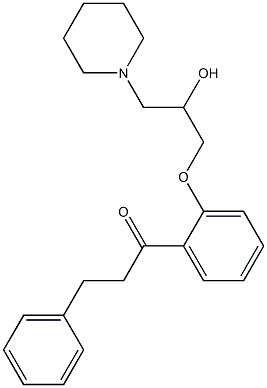
- 63148-67-4
- C23H29NO3
- 367.48126
- All (0)
- China (0)
- (0)
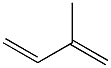
- 9006-04-6
- C5H8
- 68.11702
- All (0)
- China (0)
- (0)
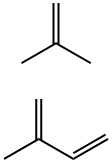
- 9010-85-9
- C9H16
- 124.23
- All (2)
- China (0)
- (2)

- 51252-84-7
- C3H4O2
- 72.06270
- All (0)
- China (0)
- (0)

- 25191-16-6
- C6H12O6
- 180.15600
- All (0)
- China (0)
- (0)
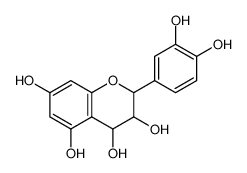
- 27015-21-0
- C15H14O7
- 306.26700
- All (0)
- China (0)
- (0)
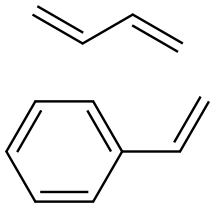
- 9003-55-8
- (C8H8.C4H6)x
- 158.24
- All (5)
- China (1)
- (5)
Related Products More >

- CNY Request For Quotation
- CNY Request For Quotation
- CNY Request For Quotation
- 9003-55-8
- CNY Request For Quotation


But it’s not always black and white. Pure rubber is a great insulator, but if certain materials are added—like carbon black to make it stronger or more durable—it can sometimes become slightly conductive, depending on how much is used. Still, for everyday things like wire coatings, gloves, or mats, rubber works really well to keep electricity in check.
So, while rubber isn’t magic, it’s definitely a reliable way to block electricity in most normal situations. That’s why it’s such a common safety material in homes, schools, and workplaces.
On a physical level, the insulating properties of rubber are further enhanced by its high resistivity and dielectric strength. These traits prevent electrical energy from passing through the material, making it ideal for applications where electrical isolation is necessary. Chemically, rubber can be either natural or synthetic, and while pure rubber is an excellent insulator, its properties can change when fillers or additives are introduced. For example, carbon black, often added to increase strength and UV resistance, may increase electrical conductivity depending on concentration and dispersion.
In practical terms, the insulative nature of rubber has had a transformative impact on numerous industries. In electrical engineering, rubber is widely used to coat wires, insulate tools, and create safety gloves and mats, especially in high-voltage environments. In the medical field, rubber insulates devices used in surgeries and diagnostics, protecting both patients and equipment. Even in consumer electronics, rubber prevents short circuits and shields components from unwanted current transfer.
From an interdisciplinary standpoint, rubber’s insulating property bridges physics, chemistry, material science, and engineering. Its use helps manage not only electricity but also contributes to thermal insulation, vibration damping, and even chemical resistance in aggressive environments. These combined characteristics allow rubber to be tailored for specialized functions across multiple fields.
Overall, rubber’s role as an insulator is foundational to modern technology and infrastructure. Its unique combination of chemical inertness, physical flexibility, and electrical resistance ensures its continued relevance in both scientific advancement and daily utility.
In practical applications, rubber’s insulating properties are indispensable. Electrical wiring, for instance, relies on rubber coatings to prevent short circuits and protect users from electric shocks. Household appliances like kettles or power tools often feature rubber handles to ensure safety during use. Another example is the use of rubber in protective gear for electricians, such as gloves or boots, which shield them from high-voltage environments. Even in industrial settings, rubber gaskets and seals insulate machinery from both electrical and thermal energy, enhancing durability and safety.
The interplay between rubber’s atomic structure and its real-world functionality highlights why it remains a material of choice for insulation. Its flexibility, durability, and resistance to environmental degradation further complement its insulating properties, making it versatile across industries. From everyday objects to specialized equipment, rubber’s role as an insulator is both pervasive and critical, demonstrating how material science translates into practical solutions.
In practical terms, this insulating property makes rubber indispensable in numerous applications where electrical safety is critical. For instance, electricians rely on rubber gloves and boots to protect themselves from electric shock when working with live wires; the rubber acts as a barrier, blocking the current from passing through their bodies to the ground. Similarly, the insulation around electrical wires, often made from rubber or rubber-like polymers, ensures that electricity flows only through the conductive core, reducing the risk of short circuits or accidental contact with conductive surfaces. Even in household items like power cords or electrical tools, the rubber coating serves as a protective layer, demonstrating how the material’s intrinsic properties translate into everyday safety measures.
Beyond electricity, rubber also insulates against heat and sound, though its role as an electrical insulator is particularly prominent. Its ability to maintain insulating properties across a range of temperatures and environmental conditions enhances its utility, making it a staple in industries from construction to electronics. By leveraging the structure of its molecules to restrict the movement of charge, rubber exemplifies how material science addresses practical needs, bridging microscopic properties with macroscopic applications that affect daily life.