


 Home
Home
Sometimes when we hear about materials like polyester and fiberglass, they seem to get grouped together because they’re both man-made and used in things like insulation or furniture. But are they actually the same thing? Is polyester fiber just a softer form of fiberglass? Or are they made from totally different materials? If they’re not the same, why do they both show up in similar products? What makes them different in how we use or feel them in daily life?
Is Polyester Fiber Actually a Type of Fiberglass?
Related Encyclopedia
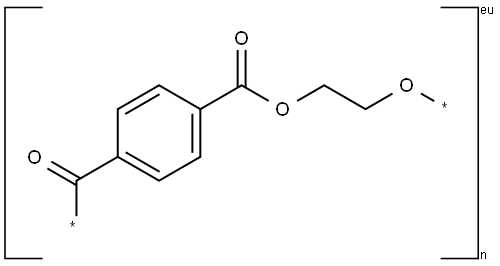
- 25038-59-9
- C10H12O6
- 228.19868
- All (3)
- China (0)
- (3)

- 7631-86-9
- O2Si
- 60.08
- All (126)
- China (40)
- (126)
- 83957-02-2
- O2Si
- 64.08380
- All (126)
- China (40)
- (126)
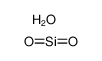
- 23382-09-4
- H2O3Si
- 78.09960
- All (1)
- China (0)
- (1)
Related Products More >

- 112945-52-5
- Request For Quotation
- 112945-52-5
- Request For Quotation
- 112945-52-5
- Request For Quotation
- 112945-52-5
- Request For Quotation
- 112945-52-5
- Request For Quotation
- 112945-52-5
- Request For Quotation
- 112945-52-5
- Request For Quotation
- 112945-52-5
- Request For Quotation


Fiberglass, on the other hand, is made from melted glass spun into thin strands. It's tougher, doesn’t feel nice on the skin, and can even be itchy or irritating. It’s mostly used in things like roof insulation, boats, or building materials where strength and heat resistance matter more than comfort.
So even though they might both pop up in similar settings, they’re not the same at all. One’s made from plastic and meant to be soft, the other’s made from glass and built to be tough. Sounds similar—but feels totally different once you know what’s what.
The distinction becomes clear in their molecular and structural behavior. Polyester melts under high heat, allowing it to be recycled into new fibers or molded into plastic products, whereas fiberglass remains stable up to extreme temperatures, making it unsuitable for melting but ideal for fireproofing. For example, polyester fleece jackets rely on the material’s softness and thermal retention, while fiberglass batts in home attics prevent heat transfer without degrading over time. Interestingly, the two materials sometimes collaborate—fiberglass-reinforced polyester composites are used in swimming pools or car bodies, where the polyester resin binds the glass fibers, creating a lightweight yet rigid structure.
Practical applications often hinge on environmental and mechanical demands. A tent might use polyester fabric for its water-resistant and breathable properties, while its poles could incorporate fiberglass for bend-resistant support. This complementary use underscores how their properties are tailored to distinct needs rather than being interchangeable. The decision to use one over the other—or a hybrid—depends on factors like stress loads, thermal exposure, or required flexibility, demonstrating their specialized roles in material science.
From a chemical and physical perspective, polyester behaves like a thermoplastic. It softens when heated and can be molded, making it ideal for textile manufacturing. Its relatively low melting point and ability to retain shape after cooling make it versatile in consumer products. Fiberglass, being made from amorphous glass, does not melt in the same way. Instead, it softens gradually and retains its structural integrity under high temperatures. Its strength-to-weight ratio and fire resistance make it invaluable in construction, aerospace, and automotive industries. Fiberglass also acts as an electrical insulator, a property not shared by polyester.
In physiological terms, the distinction becomes even more significant. Polyester fiber, being smooth and chemically stable, is generally safe for skin contact and even for use in medical applications like sutures or implantable meshes. Fiberglass, while not chemically toxic, can cause irritation to the skin, eyes, and respiratory tract due to its brittle, needle-like fibers. Proper handling and protective equipment are necessary when working with fiberglass materials to prevent discomfort or long-term health effects.
Considering interdisciplinary perspectives, both materials present unique environmental challenges. Polyester contributes to the growing issue of microplastics, as it does not biodegrade and can shed microscopic fibers into water systems. Fiberglass, while less likely to fragment into environmentally harmful particles, is energy-intensive to produce and difficult to recycle. In industrial design and product development, these environmental considerations are increasingly influencing material choices.
When viewed through the lens of application and societal impact, polyester fiber and fiberglass serve distinct yet complementary roles. Polyester’s comfort and affordability make it ideal for mass-produced consumer goods, while fiberglass’s structural and thermal properties support critical infrastructure and high-performance systems. Understanding their differences enhances not only material literacy but also informs more sustainable and health-conscious decisions across industries.
Fiberglass, on the other hand, is an inorganic material, crafted by melting silica-based glass and extruding it into thin, rigid filaments. These fibers excel in withstanding high temperatures and providing structural reinforcement, thanks to their non-flammable nature and high tensile strength. You’ll find them in roofing shingles, where they reinforce asphalt against weathering, or in furnace filters, where their heat resistance prevents degradation during operation.
The contrast in their behavior stems from their core compositions: polyester’s organic polymers allow for flexibility and chemical reactivity with dyes, while fiberglass’s inorganic glass structure ensures stability under extreme conditions but limits adaptability. A winter jacket’s insulation might use polyester fibers to trap air and retain warmth without adding bulk, whereas a car’s underhood insulation relies on fiberglass to shield nearby components from engine heat without melting or warping.