


 Home
Home
People often talk about using natural oils for better hair health, and almond oil is one of the most popular options. But does it actually help your hair grow? Some say it makes hair softer and shinier, while others believe it stimulates hair growth. With so many oils out there—like coconut, argan, and castor oil—how does almond oil compare? What nutrients in almond oil might support hair growth, and how should it be used to get the best results? Could regular use of almond oil really lead to thicker, longer hair?
Does Almond Oil Help Grow Hair Naturally?
Related Encyclopedia
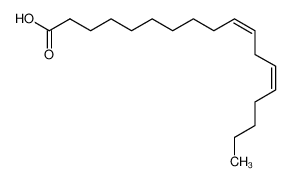
- 5027-60-1
- C18H32O2
- 280.44500
- All (25)
- China (7)
- (25)

- 60-33-3
- C18H32O2
- 280.45
- All (25)
- China (7)
- (25)
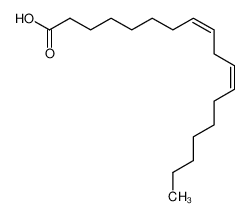
- 4906-90-5
- C18H32O2
- 280.44500
- All (25)
- China (7)
- (25)

- 112-80-1
- C18H34O2
- 282.46
- All (141)
- China (22)
- (141)
- 141903-93-7
- C17H35N
- 253.46600
- All (141)
- China (22)
- (141)
- 67629-40-7
- C30H49ClO3
- 493.16100
- All (38)
- China (12)
- (38)

- 59-02-9
- C29H50O2
- 430.71
- All (38)
- China (12)
- (38)

- 79434-83-6
- C29H50O2
- 430.70600
- All (38)
- China (12)
- (38)

- 2074-53-5
- C29H50O2
- 430.71
- All (38)
- China (12)
- (38)
- 142386-74-1
- C38H67N2O3P
- 630.92400
- All (38)
- China (12)
- (38)
Related Products More >

- CNY Request For Quotation
- CNY Request For Quotation
- CNY Request For Quotation
- 2074-53-5
- CNY 30.0000
- 25kg
- 60-33-3
- USD 30.0000
- 25kg
- 30999-06-5
- Request For Quotation
- 50kg
- 30999-06-5
- Request For Quotation
- 1kg
- 93-83-4
- Request For Quotation
- 25kg/drum


Lots of people like to warm it up slightly and massage it into their scalp once or twice a week. It's also great for reducing frizz and making your hair look shinier. That said, results can be different for everyone. Some might see improvement in hair texture and less breakage, while others might not notice a huge change. But overall, it's a gentle, natural option worth trying if you’re looking to give your hair a little extra care.
The mechanism behind almond oil’s potential benefits lies in its ability to strengthen hair strands and reduce breakage. Vitamin E acts as an antioxidant, protecting hair from oxidative stress caused by environmental factors like UV exposure or pollution. This preservation of existing hair can create the appearance of fuller, longer hair over time. Additionally, the oil’s emollient properties help seal moisture into the hair shaft, preventing brittleness—a practical advantage for those with chemically treated or heat-damaged hair.
In practice, almond oil is often blended with essential oils like rosemary or peppermint, which are more directly linked to growth stimulation. Anecdotal evidence suggests regular use, particularly as a pre-shampoo treatment, can improve hair texture and reduce split ends. However, its role is more supportive than transformative; it complements a holistic hair care routine rather than acting as a standalone solution for significant growth. Consistency and method matter—warming the oil before application, for instance, can enhance absorption and efficacy.
From a physiological and biochemical standpoint, almond oil is a potent emollient with occlusive properties. It forms a light barrier over the scalp and hair shaft, minimizing transepidermal water loss and maintaining hydration. Hydrated skin supports a more stable microbiome and reduces inflammatory responses, which can otherwise disrupt follicular cycles. The high concentration of monounsaturated fatty acids in almond oil allows for moderate penetration into the outer layers of the skin and hair cuticle, enhancing elasticity and decreasing brittleness. The antioxidant properties of vitamin E help neutralize oxidative stress, which has been linked to follicle miniaturization and hair thinning.
Physically, the oil’s low viscosity and high spreadability make it ideal for massage, which can increase local circulation and possibly stimulate follicular activity through mechanical stimulation and thermoregulation. Moreover, regular application can dislodge environmental debris and sebum buildup that might otherwise obstruct follicles.
In broader applications, almond oil is utilized in cosmetic and pharmaceutical formulations due to its hypoallergenic and non-comedogenic profile. In industrial settings, its chemical stability and mild scent make it a base for emulsions, balms, and transdermal delivery systems. Culturally, its use intersects with traditional medicine practices in Ayurveda and Unani, where it is believed to balance scalp energies and nourish tissues.
Understanding almond oil through these multiple lenses reveals that its contribution to hair growth is less about direct follicular stimulation and more about creating optimal scalp and hair conditions. Its holistic value lies in its gentle, supportive nature—working with the body's systems rather than forcing a pharmacological response. This nuanced mechanism highlights the importance of integrative care in personal grooming and dermatological wellness.
When applied topically, almond oil can soothe the scalp, reducing dryness and flakiness that might create an unhealthy environment for hair follicles. A dry, irritated scalp can hinder the growth cycle, so maintaining scalp health is indirect yet vital for supporting new hair growth. For example, someone with chronically dry scalp might notice their hair feels brittle and grows slowly; regular massage with almond oil can alleviate dryness, creating a better foundation for hair to thrive. This massage action also stimulates blood flow to the scalp, which can enhance the delivery of nutrients to hair follicles, further supporting growth. While results vary based on individual hair type and scalp condition, the combination of nourishing components and scalp-soothing properties makes almond oil a practical addition to hair care routines aimed at promoting healthier, longer-looking hair.