


 Home
Home
Hi! I'd like to ask about choosing the best olive oil:
"What makes an olive oil truly high quality? How is extra virgin different from regular olive oil?"
"What should I look for on the label to know it's good quality?"
"Which countries or regions produce the best olive oil?"
What Makes the Perfect Olive Oil? Uncover Top Quality Secrets!
Related Encyclopedia

- 112-80-1
- C18H34O2
- 282.46
- All (141)
- China (22)
- (141)
- 141903-93-7
- C17H35N
- 253.46600
- All (141)
- China (22)
- (141)
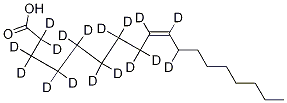
- 223487-44-3
- C18H17D17O2
- 300
- All (0)
- China (0)
- (0)
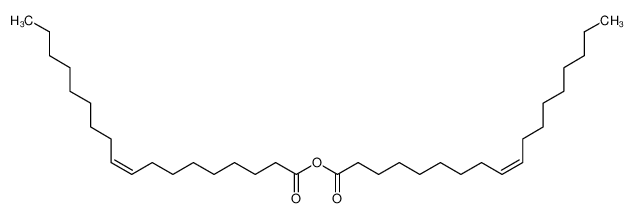
- 6085-36-5
- C36H66O3
- 546.90700
- All (0)
- China (0)
- (0)
![OLEIC ACID-[9,10-3H]](https://chemcloud-1304660855.cos.ap-shanghai.myqcloud.com/compound/c559f7e4610543758edba973fc60c82f.png?imageMogr2/format/webp)
- 636-34-0
- C18H32O2T2
- 286.48000
- All (0)
- China (0)
- (0)
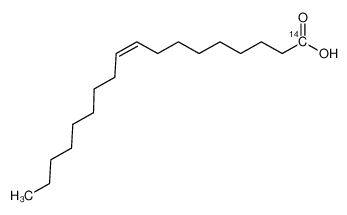
- 3343-81-5
- C18H34O2
- 284.48000
- All (0)
- China (0)
- (0)
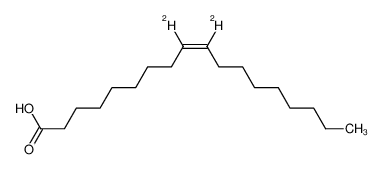
- 5711-29-5
- C18H32D2O2
- 284.47400
- All (0)
- China (0)
- (0)

- 3687-45-4
- C36H68O2
- 532.92
- All (0)
- China (0)
- (0)

- 312623-86-2
- C18H34O2
- 300.32900
- All (0)
- China (0)
- (0)
- 101296-25-7
- C24H44O2
- 364.60500
- All (0)
- China (0)
- (0)
Related Products More >

- 60-33-3
- USD 30.0000
- 25kg
- 989-51-5
- Request For Quotation
- 93-83-4
- Request For Quotation
- 25kg/drum
- 93-83-4
- Request For Quotation
- Bottle,barrel,cargo,container,etc.
- 93-83-4
- Request For Quotation
- 93-83-4
- Request For Quotation
- 90028-20-9
- Request For Quotation
- 84650-60-2
- Request For Quotation


Oleocanthal >150mg/kg (anti-inflammatory compound)
Polyphenols >250mg/kg (antioxidants)
Peroxide value <15 meq/kg (freshness indicator)
EVOO vs. Regular Olive Oil:
Characteristic Extra Virgin Regular/Refined
Extraction First cold press only Heat/chemical processed
Acidity ≤0.8% ≤2.0%
Flavor Fruity, peppery finish Neutral, bland
Nutrients Full spectrum intact Partially destroyed
2. Decoding Quality Through Labels
Must-Have Label Indicators:
Harvest Date: Within last 12 months (not just "best by" date)
Certifications:
PDO (Protected Designation of Origin)
COOC (California Olive Oil Council)
Chemical Metrics:
Free acidity ≤0.8%
UV absorption (K270) ≤0.22
Red Flags:
"Light" or "Pure" olive oil (refined blends)
Generic "Product of EU" without specific region
Unfiltered oil older than 6 months
3. Top Producing Regions
Mediterranean Powerhouses:
Tuscany, Italy:
Low yield/high polyphenol varieties (Coratina, Moraiolo)
Average polyphenols: 300-400mg/kg
Crete, Greece:
Koroneiki olives (highest antioxidant content)
Peroxide values typically <10 meq/kg
Andalusia, Spain:
Picual variety (high stability for cooking)
40% of world production
Emerging Quality Producers:
California, USA: Strict COOC standards
Tunisia: High oleic acid content
Australia: Innovative harvesting techniques
Climate Impact:
Hotter regions (Spain/Tunisia) produce more stable oils
Cooler regions (Italy) yield more complex flavors
Choosing the best olive oil involves looking at several factors including origin, harvest date, and certifications. Olive oils from regions with a long tradition of olive cultivation such as Italy, Spain, and Greece are often highly regarded due to their favorable climates and experienced producers. Freshness is also crucial; the closer the purchase date to the harvest time, the better the oil will be in terms of flavor and nutritional value.
In daily life, EVOO serves multiple purposes. For instance, it's ideal for making salad dressings where its fruity and peppery notes can shine, or drizzled over freshly baked bread. Its high smoke point makes it suitable for gentle cooking methods like sautéing vegetables. In gourmet cooking, chefs might use premium EVOO to finish dishes, enhancing both flavor and presentation.
Key points to note: extra virgin quality, cold-pressed, low acidity, origin and freshness, certifications, and culinary uses. Selecting the best olive oil not only elevates culinary experiences but also ensures intake of beneficial nutrients that support overall health.
2. How Does Extra Virgin Olive Oil Differ from Regular Olive Oil?
Processing:
Extra virgin: Cold-pressed without heat/chemicals, acidity ≤0.8%.
Regular: May involve refining, heat, or chemicals, acidity up to 3.3%, lower polyphenol levels.
Nutrition:
Extra virgin: Retains natural antioxidants and flavor compounds; regular lacks these due to processing.
3. How to Judge Olive Oil Quality from Labels?
Look for "Extra Virgin" and certified acidity (≤0.8%).
Check harvest date (within 12 months for peak freshness).
Seek geographical certifications (e.g., Italian DOP, Spanish DO) or third-party tests (e.g., IOC).
Avoid vague terms like "pure" or "light," which often denote refined oils.
4. Which Countries/Regions Produce High-Quality Olive Oil?
Italy: Regions like Tuscany and Puglia yield fruity, peppery EVOOs.
Spain: Leads in production; Andalusia’s oils are balanced and versatile.
Greece: Cretan olive oil is known for high polyphenol content and robust flavor.
California, USA: Craft producers offer fresh, grassy EVOOs with clear labeling.
Greece, Tunisia, and Turkey: Also renowned for distinct terroir-driven profiles.