


 Home
Home
A lot of people are switching to natural oils for skincare, and almond oil is one of the most talked-about options. But with so many oils out there, it's important to know if they can clog pores or cause breakouts. Is almond oil truly non comedogenic, or could it be the reason behind unexpected acne or irritation? How does it compare to other oils in terms of skin safety and pore-friendliness?
Is Almond Oil Non Comedogenic and Safe for Your Skin?
Related Encyclopedia

- 8013-76-1
- C7H6O
- 106.12194
- All (4)
- China (0)
- (4)
- 8007-69-0
- 0
- All (4)
- China (4)
- (4)
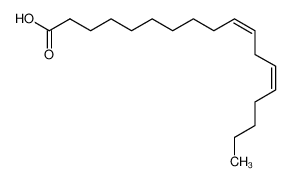
- 5027-60-1
- C18H32O2
- 280.44500
- All (25)
- China (7)
- (25)

- 60-33-3
- C18H32O2
- 280.45
- All (25)
- China (7)
- (25)
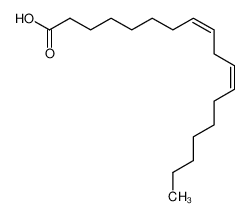
- 4906-90-5
- C18H32O2
- 280.44500
- All (25)
- China (7)
- (25)

- 112-80-1
- C18H34O2
- 282.46
- All (141)
- China (22)
- (141)
- 141903-93-7
- C17H35N
- 253.46600
- All (141)
- China (22)
- (141)
- 2190-14-9
- C57H104O6
- 885.43200
- All (0)
- China (0)
- (0)
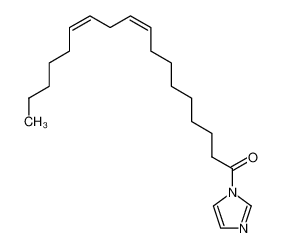
- 64833-94-9
- C21H34N2O
- 330.50700
- All (0)
- China (0)
- (0)
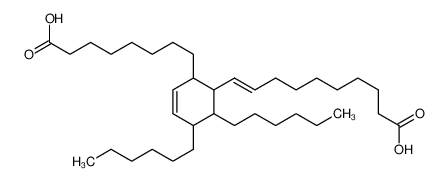
- 13482-09-2
- C36H64O4
- 560.89100
- All (0)
- China (0)
- (0)
Related Products More >

- 60-33-3
- USD 30.0000
- 25kg
- 96702-03-3
- Request For Quotation
- 93-83-4
- Request For Quotation
- 25kg/drum
- 93-83-4
- Request For Quotation
- Bottle,barrel,cargo,container,etc.
- 93-83-4
- Request For Quotation
- 93-83-4
- Request For Quotation
- 90320-37-9
- Request For Quotation
- 8051-88-5
- Request For Quotation


But here's the thing—everyone’s skin reacts differently. While it works great for many, if your skin is super oily or acne-prone, it might still cause breakouts. It has a higher amount of oleic acid, which can be a bit heavy for some skin types. So, it's best to do a patch test first before slathering it all over your face.
In short, almond oil can be non comedogenic for most people, but your skin type really matters. Give it a try, but listen to what your skin tells you.
Oleic acid, while moisturizing, can be slightly occlusive, but almond oil typically contains a balanced ratio of oleic to linoleic acid, which leans toward being less pore-clogging. Linoleic acid, in particular, helps maintain the skin’s barrier without heavy buildup, making the oil lighter than more comedogenic options like coconut oil. This balance means almond oil is generally considered low on the comedogenic scale, often rated 2 out of 5, where 0 is non-comedogenic and 5 is highly likely to clog pores.
In practice, this makes almond oil suitable for many skin types, including those prone to occasional breakouts. For example, someone with combination skin might use it as a gentle moisturizer on drier areas without worsening oiliness or causing blackheads. It’s important to note that individual reactions vary, but its low comedogenic potential sets it apart from heavier oils that more frequently block pores. This quality explains why it’s a common ingredient in facial cleansers and moisturizers aimed at maintaining hydration without congestion.
The non-comedogenic nature of almond oil is linked to its molecular structure. Unlike heavier oils, its fatty acids are similar to those naturally produced by the skin, enabling better compatibility. For instance, individuals with dry or irritated skin often use almond oil as a moisturizer because it hydrates without exacerbating breakouts. A practical example is its use in DIY skincare routines, where it’s blended with other non-comedogenic ingredients like jojoba oil or tea tree oil to create acne-friendly formulations.
In practice, almond oil’s versatility extends beyond facial care. It’s commonly found in body oils, hair treatments, and even makeup removers, where its gentle, non-clogging properties are valued. While individual reactions may vary, its low comedogenic rating (typically 2 on a scale of 0–5) supports its reputation as a safe option for most users. This balance of efficacy and mildness makes it a staple in both commercial and natural skincare products.
From a chemical standpoint, almond oil is rich in monounsaturated fats, particularly oleic acid (approximately 60–70%) and linoleic acid (around 20–30%). Oleic acid is known for its moisturizing and skin barrier-supporting properties but is also more occlusive than linoleic acid, which tends to be more favorable for acne-prone skin. The balance between these two fatty acids contributes significantly to how the oil behaves on the skin. On the comedogenic scale, almond oil typically ranks around 2 out of 5, meaning it poses a low to moderate risk of clogging pores, depending on individual skin type and condition.
Physiologically, the skin’s response to almond oil also involves the stratum corneum’s lipid matrix and how well the oil integrates into this barrier. Its emollient nature allows for a softening of the skin surface and potential restoration of lipid-depleted epidermal layers. This makes it valuable in clinical dermatology for managing xerosis (dry skin), eczema, and mild dermatitis. In these cases, almond oil’s relatively low comedogenic potential is often outweighed by its barrier-repair and anti-inflammatory benefits.
Beyond skincare, almond oil finds use in pharmaceutical compounding, acting as a carrier for fat-soluble drugs due to its stability and biocompatibility. In industrial applications, it is employed in lubricants and certain organic solvent systems, where its mild oxidative properties and viscosity are advantageous. In food science, although not related to comedogenicity, its fatty acid profile also impacts metabolic health when ingested.
Therefore, understanding whether almond oil is non-comedogenic is not just about rating systems; it requires consideration of lipid chemistry, cutaneous physiology, and the context of use. For dry or balanced skin types, it can be both safe and beneficial. However, in acne-prone or oily skin, its moderate oleic content warrants caution. Such insights underscore the importance of tailoring dermatological approaches based on both compound chemistry and individual biology.