


 Home
Home
When using essential oils, you often hear people mention "carrier oils." But what exactly are they, and can almond oil be used as one? Does almond oil mix well with essential oils, and is it safe to apply on the skin? How does it compare to other popular carrier oils like coconut or jojoba oil? If you're wondering whether almond oil is a good carrier oil and what benefits it might bring, you're not alone. So, is almond oil a carrier oil?
Is Almond Oil a Carrier Oil?
Related Encyclopedia

- 8013-76-1
- C7H6O
- 106.12194
- All (4)
- China (0)
- (4)
- 8007-69-0
- 0
- All (4)
- China (4)
- (4)

- 67701-08-0
- C18H34O2
- 282.46100
- All (0)
- China (0)
- (0)

- 67701-03-5
- C34H68O4
- 540.90132
- All (0)
- China (0)
- (0)

- 61788-66-7
- 0.00000
- All (0)
- China (0)
- (0)
- 67784-82-1
- (C3H8O3
- 0
- All (2)
- China (2)
- (2)
- 61789-31-9
- 0
- All (6)
- China (6)
- (6)
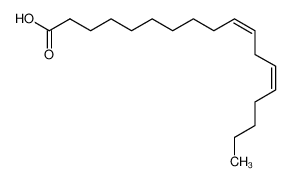
- 5027-60-1
- C18H32O2
- 280.44500
- All (25)
- China (7)
- (25)

- 60-33-3
- C18H32O2
- 280.45
- All (25)
- China (7)
- (25)
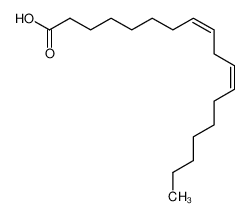
- 4906-90-5
- C18H32O2
- 280.44500
- All (25)
- China (7)
- (25)
Related Products More >

- 60-33-3
- USD 30.0000
- 25kg
- 97-53-0
- Request For Quotation
- 95912-86-0
- Request For Quotation
- 220L/drum
- 93348-22-2
- Request For Quotation
- 25KG/50KG/1000KG
- 93348-22-2
- Request For Quotation
- 25kg/Cardboard Drum
- 93-83-4
- Request For Quotation
- 25kg/drum
- 93-83-4
- Request For Quotation
- Bottle,barrel,cargo,container,etc.
- 93-83-4
- Request For Quotation


A lot of people like to use almond oil because it feels nice on the skin and helps keep it soft. It’s also a great choice for massages, DIY skincare, or even just as a moisturizer by itself. If you’ve got sensitive skin, sweet almond oil is usually gentle enough, though it’s always smart to do a small patch test first.
So in short, yes—almond oil is a popular, easy-to-use carrier oil that blends well with lots of essential oils. It's a go-to for many because it’s simple, effective, and pretty easy to find.
The key attributes of almond oil as a carrier oil include its rich composition of oleic and linoleic acids, which contribute to its emollient and anti-inflammatory properties. These fatty acids strengthen the skin barrier, making it effective for conditions like eczema or dryness. Unlike essential oils, which evaporate and contain concentrated aromatic compounds, almond oil remains stable and inert, serving as a neutral vehicle. For instance, in massage therapy, almond oil mixed with a few drops of peppermint oil enhances glide while dispersing the essential oil evenly, preventing localized irritation.
In practical use, almond oil’s versatility extends beyond dilution. It acts as a standalone moisturizer or a base for DIY skincare formulations, such as serums or balms. Its mild scent doesn’t overpower blended essential oils, preserving their aromatic integrity. A concrete example is its role in baby care, where its hypoallergenic nature makes it ideal for gentle massage or treating cradle cap when combined with chamomile oil. This dual functionality—as a nourishing agent and a safe dilutant—underscores its quintessential role as a carrier oil in holistic and cosmetic practices.
In practice, this makes it a staple in aromatherapy and skincare. For instance, when blending lavender essential oil for calming purposes, mixing a few drops with almond oil ensures the solution is gentle enough for direct application on the wrists or temples. Its emollient properties also mean it adds moisturizing benefits, making the blend not just effective for aromatherapy but also nourishing for dry skin. Similarly, in massage therapy, almond oil serves as a carrier for essential oils like eucalyptus, allowing the therapist to apply the mixture smoothly while the carrier oil ensures the essential oil is distributed evenly across the skin, maximizing both comfort and efficacy. This dual role—diluting and enhancing—solidifies its position as a reliable carrier oil in various practical applications.
From a physiological standpoint, almond oil penetrates the skin effectively without clogging pores. It provides hydration by forming a semi-occlusive layer that helps reduce transepidermal water loss, while simultaneously delivering lipids that integrate into the skin’s natural barrier. This mechanism makes it highly effective in dermatology for treating dry or irritated skin, and it's frequently recommended for individuals with sensitive skin or conditions like eczema. Its low comedogenic rating and hypoallergenic nature further justify its widespread use in skincare and massage therapy.
Almond oil’s role extends beyond personal care. In the pharmaceutical sector, it functions as a carrier in topical medications and ointments, enhancing the bioavailability of lipophilic compounds. Industrially, it is incorporated into formulations where oxidative stability and skin compatibility are required. It also has culinary applications due to its high smoke point and subtle flavor, although this is typically restricted to food-grade versions. Interdisciplinary perspectives, particularly from chemistry, dermatology, and pharmacology, underline its value as a multifunctional substance that bridges wellness, science, and consumer applications.
Understanding almond oil as a carrier oil offers insights not only into formulation science but also into how natural compounds are harnessed to create synergistic effects. Its significance lies not just in its passive role of dilution, but in how it actively supports skin health, enhances delivery systems, and sustains formulations across various industries. The convergence of its physical properties and biological effects exemplifies how natural oils, when properly characterized, can serve as foundational elements in both ancient and modern practices.