


 Home
Home
Hi! I'd like to ask about the fats in olive oil:
"What kind of fat is olive oil? What are its main fatty acids?"
"Why are monounsaturated fats good for us? What health benefits do they offer?"
"How does olive oil's fat content compare to other plant oils?"
What Kind of Fat Is in Olive Oil? Unlock Its Health Secrets!
Related Encyclopedia
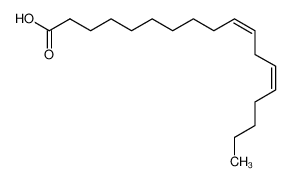
- 5027-60-1
- C18H32O2
- 280.44500
- All (25)
- China (7)
- (25)

- 60-33-3
- C18H32O2
- 280.45
- All (25)
- China (7)
- (25)
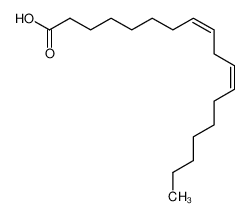
- 4906-90-5
- C18H32O2
- 280.44500
- All (25)
- China (7)
- (25)

- 112-80-1
- C18H34O2
- 282.46
- All (141)
- China (22)
- (141)
- 141903-93-7
- C17H35N
- 253.46600
- All (141)
- China (22)
- (141)

- 60605-23-4
- C16H32O2
- 256.42400
- All (57)
- China (10)
- (57)

- 66321-94-6
- C16H32O2
- 256.42400
- All (57)
- China (10)
- (57)

- 57-10-3
- C16H32O2
- 256.42
- All (57)
- China (10)
- (57)
- 2190-14-9
- C57H104O6
- 885.43200
- All (0)
- China (0)
- (0)
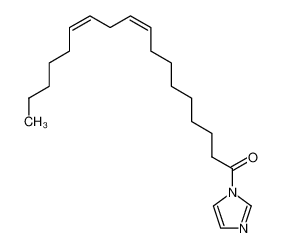
- 64833-94-9
- C21H34N2O
- 330.50700
- All (0)
- China (0)
- (0)
Related Products More >

- 60-33-3
- USD 30.0000
- 25kg
- 93-83-4
- Request For Quotation
- 25kg/drum
- 93-83-4
- Request For Quotation
- Bottle,barrel,cargo,container,etc.
- 93-83-4
- Request For Quotation
- 93-83-4
- Request For Quotation
- 8051-88-5
- Request For Quotation
- 8051-88-5
- Request For Quotation
- 628-97-7
- Request For Quotation


Oleic acid (55-83%): A heart-healthy omega-9 monounsaturated fatty acid (MUFA)
Palmitic acid (7-20%): A saturated fatty acid (SFA)
Linoleic acid (3.5-21%): An omega-6 polyunsaturated fatty acid (PUFA)
This unique composition makes it more stable than most plant oils while offering superior health benefits.
2. Health Benefits of Monounsaturated Fats
The high oleic acid content in olive oil provides multiple proven benefits:
Cardiovascular Protection:
Reduces LDL cholesterol by 8-10% while maintaining HDL
Lowers blood pressure through enhanced nitric oxide production
Metabolic Advantages:
Improves insulin sensitivity by 15-20% in diabetics
Reduces visceral fat accumulation compared to SFAs
Anti-inflammatory Effects:
Decreases CRP (inflammatory marker) by 0.5-1.0 mg/L
Inhibits pro-inflammatory cytokines like TNF-α
Clinical Evidence:
The PREDIMED study showed that a MUFA-rich diet with olive oil reduced cardiovascular events by 30% compared to low-fat diets.
3. Comparative Analysis with Other Plant Oils
Fatty Acid Profiles (% of total fats):
Oil Type Saturated Monounsaturated Polyunsaturated
Olive Oil 14% 73% 11%
Canola Oil 7% 63% 28%
Sunflower Oil 10% 20% 66%
Coconut Oil 92% 6% 2%
Key Distinctions:
Oxidative Stability:
Olive oil's high MUFA content makes it 3-5x more heat-resistant than high-PUFA oils like sunflower oil
Omega-6/3 Ratio:
Olive oil has 10:1 ratio vs. sunflower oil's 40:1 (lower is better)
Phytochemical Retention:
EVOO preserves 200+ bioactive compounds lost during refining of other oils
2. What Are the Main Fatty Acids in Olive Oil?
Monounsaturated Fatty Acids (MUFAs): 73% (oleic acid, a omega-9 fatty acid).
Saturated Fatty Acids: 14% (palmitic, stearic acids).
Polyunsaturated Fatty Acids (PUFAs): 10% (linoleic acid, omega-6; alpha-linolenic acid, omega-3).
3. What Health Benefits Do Monounsaturated Fats Offer?
Heart Health: Lower "bad" LDL cholesterol while raising "good" HDL cholesterol, reducing artery plaque risk.
Inflammation Reduction: Oleic acid may decrease markers of inflammation like C-reactive protein.
Blood Sugar Control: Improves insulin sensitivity, beneficial for type 2 diabetes management.
Weight Management: Promotes satiety, potentially aiding in calorie restriction.
4. How Does Olive Oil’s Fat Composition Differ from Other Vegetable Oils?
Oil Type Monounsaturated Fats Saturated Fats Polyunsaturated Fats
Olive Oil 73% 14% 10%
Canola Oil 61% 7% 31%
Sunflower Oil 20% 10% 69%
Coconut Oil 6% 82% 2%
Key Difference: Olive oil has the highest monounsaturated fat content among common oils, with a balanced ratio of saturated to polyunsaturated fats, making it uniquely stable and heart-healthy.
The health benefits associated with olive oil make it an essential ingredient in various dietary patterns, especially the Mediterranean diet, known for its cardiovascular advantages. For instance, using olive oil in salad dressings or as a cooking medium can enhance the nutritional profile of meals by providing antioxidants such as vitamin E and K, as well as anti-inflammatory properties. It's also beneficial for skin health when applied topically.
In daily life, understanding that olive oil is a monounsaturated fat helps consumers make informed decisions about their dietary intake. For example, someone looking to improve their heart health might replace butter or margarine with olive oil in recipes. Another practical application could be incorporating olive oil into a morning smoothie or drizzling it over whole grain bread instead of using less healthy fats.
Key points to note: monounsaturated fats, oleic acid, cholesterol management, dietary replacement, and health benefits. By recognizing olive oil as a source of monounsaturated fats, individuals can better plan their diets to support heart health and overall wellness, making small but impactful changes in their eating habits.