


 Home
Home
Hi! I'd like to ask about olive oil and seed oils:
"Is olive oil considered a seed oil? How is it different from sunflower or soybean oil?"
"Why do people say olive oil comes from fruit instead of seeds?"
"What's the nutritional difference between regular seed oils and olive oil?"
Is Olive Oil Secretly a Seed Oil? Unraveling the Botanical Truth!
Related Encyclopedia
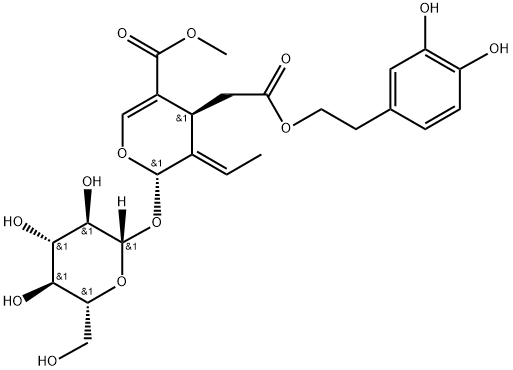
- 32619-42-4
- C25H32O13
- 540.52
- All (20)
- China (14)
- (20)
- 315207-62-6
- C25H32O13
- 540.51400
- All (20)
- China (14)
- (20)
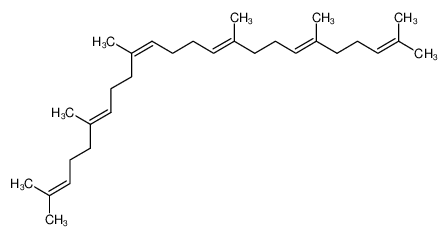
- 24566-13-0
- C30H50
- 410.71800
- All (14)
- China (12)
- (14)

- 111-02-4
- C30H50
- 410.72
- All (14)
- China (12)
- (14)

- 7683-64-9
- C30H50
- 410.72
- All (14)
- China (12)
- (14)
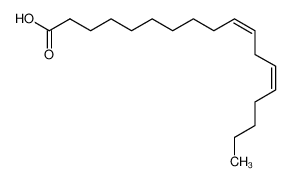
- 5027-60-1
- C18H32O2
- 280.44500
- All (25)
- China (7)
- (25)

- 60-33-3
- C18H32O2
- 280.45
- All (25)
- China (7)
- (25)
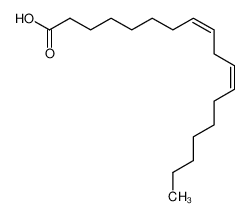
- 4906-90-5
- C18H32O2
- 280.44500
- All (25)
- China (7)
- (25)
- 121678-32-8
- C30H51Cl
- 447.17900
- All (0)
- China (0)
- (0)
- 136537-77-4
- C29H52N2
- 428.73700
- All (0)
- China (0)
- (0)
Related Products More >

- 60-33-3
- USD 30.0000
- 25kg
- 7683-64-9
- Request For Quotation
- 25kg/drum
- 7683-64-9
- Request For Quotation
- 1Kg
- 7683-64-9
- Request For Quotation
- 7683-64-9
- Request For Quotation
- Boil Bag
- 7683-64-9
- Request For Quotation
- kg
- 7683-64-9
- Request For Quotation
- 25kg/Cardboard Drum
- 7683-64-9
- Request For Quotation


Olive Oil: Extracted from the fleshy mesocarp (fruit pulp) of olives
Seed Oils: Derived from the seeds of plants (e.g., sunflower, soybean, canola)
The key chemical differences stem from compounds like oleuropein (unique to olives), linoleic acid (higher in seed oils), and squalene (abundant in olive oil).
2. Olive Oil vs. Seed Oils: Key Differences
Characteristic Olive Oil (Fruit Oil) Seed Oils (Sunflower/Soybean)
Source Olive fruit pulp Plant seeds
Fat Composition 75% MUFAs (oleic acid) 60-70% PUFAs (linoleic acid)
Smoke Point 190-215°C (EVOO) 225-230°C (refined versions)
Phytochemicals High polyphenols, squalene Low antioxidants
Oxidative Stability Resists rancidity Prone to oxidation
Why It Matters:
Olive oil’s high monounsaturated fat content makes it more stable for cooking
Seed oils’ polyunsaturated fats (PUFAs) may promote inflammation when overconsumed
3. Nutritional Differences: Fruit Oil vs. Seed Oils
Olive Oil (Per Tbsp):
Calories: 120
MUFAs: 10g (heart-healthy)
PUFAs: 1g (low omega-6)
Vitamin E: 1.9mg (alpha-tocopherol)
Typical Seed Oil (Per Tbsp):
Calories: 120
MUFAs: 3g
PUFAs: 8g (high omega-6)
Vitamin E: 5.6mg (gamma-tocopherol, less bioactive)
Health Implications:
Olive oil’s Mediterranean diet benefits are well-documented (anti-inflammatory, cardioprotective)
Seed oils may contribute to omega-6/3 imbalance if consumed excessively
2. How Does Olive Oil Differ from Seed Oils Like Sunflower/Soybean Oil?
Botanical Source:
Olive oil: Derived from olive fruit pulp (drupe).
Seed oils: Extracted from seeds (e.g., sunflower kernels, soybean beans).
Fatty Acid Profile:
Olive oil: 73% monounsaturated fats (oleic acid), 14% saturated fats.
Seed oils: High in polyunsaturated fats (e.g., sunflower has 69% linoleic acid).
Smoke Point:
Olive oil (refined): 230°C; seed oils: 225–245°C (similar but less stable due to polyunsaturates).
3. Why Is Olive Oil Classified as a Fruit Oil Instead of a Seed Oil?
Botanically, olives are drupes (fleshy fruits with a pit), not seeds. The oil is pressed from the fruit’s mesocarp (fleshy part), not the inner seed. In contrast, seed oils like canola or peanut oil come from the plant’s seeds, making their extraction and composition fundamentally different.
4. How Do Nutritional Components Differ Between Seed Oils and Olive Oil?
Olive Oil: Rich in monounsaturated fats and polyphenols (e.g., oleuropein), which reduce inflammation. Low in polyunsaturated fats (10%), minimizing oxidative stress.
Seed Oils: High in omega-6 polyunsaturated fats (20–70%), which may promote inflammation if overconsumed. Lack the same polyphenol antioxidants as olive oil.
This distinction makes olive oil more stable at high temperatures and nutritionally unique among cooking oils.
Understanding this distinction is important because the source of an oil impacts its nutritional profile and culinary uses. Olive oil, especially extra virgin olive oil, is celebrated for its high monounsaturated fat content, antioxidants, and anti-inflammatory properties. These qualities make it a preferred choice for low-heat cooking, salad dressings, and drizzling over finished dishes to enhance flavor and health benefits.
In daily life, recognizing the difference between olive oil and seed oils influences how one might choose oils for specific recipes. For example, someone looking to increase their intake of healthy fats and antioxidants might opt for olive oil in their diet. In contrast, seed oils with higher smoke points may be chosen for frying or baking where stability at high temperatures is necessary.
Key points to note: source differentiation, nutritional value, culinary applications, health benefits, and cooking methods. By understanding whether an oil comes from fruits or seeds, consumers can better tailor their choices to match both their health objectives and culinary needs, ensuring they maximize the benefits of each type of oil in their diet.