


 Home
Home
Sweet almond oil is often recommended for moisturizing and softening the skin, but some people worry it might cause breakouts. With so many skincare products containing different oils, it’s hard to know which ones are safe for acne-prone skin. If you’re thinking about adding sweet almond oil to your routine, you might be asking: will it clog my pores and make acne worse, or is it actually safe and gentle enough for everyday use?
Does Sweet Almond Oil Clog Pores or Is It Safe for Your Skin?
Related Encyclopedia
- 8007-69-0
- 0
- All (4)
- China (4)
- (4)
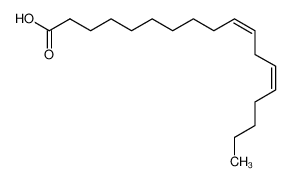
- 5027-60-1
- C18H32O2
- 280.44500
- All (25)
- China (7)
- (25)

- 60-33-3
- C18H32O2
- 280.45
- All (25)
- China (7)
- (25)
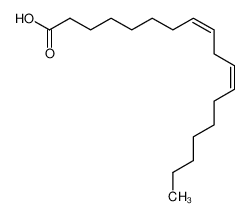
- 4906-90-5
- C18H32O2
- 280.44500
- All (25)
- China (7)
- (25)

- 112-80-1
- C18H34O2
- 282.46
- All (141)
- China (22)
- (141)
- 141903-93-7
- C17H35N
- 253.46600
- All (141)
- China (22)
- (141)
- 2190-14-9
- C57H104O6
- 885.43200
- All (0)
- China (0)
- (0)
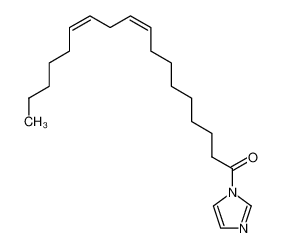
- 64833-94-9
- C21H34N2O
- 330.50700
- All (0)
- China (0)
- (0)
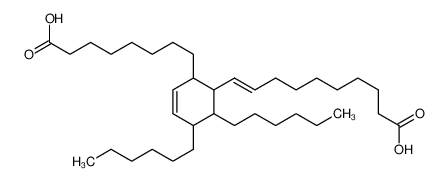
- 13482-09-2
- C36H64O4
- 560.89100
- All (0)
- China (0)
- (0)
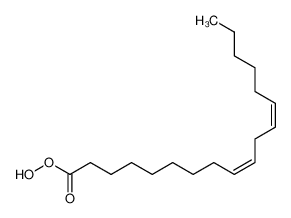
- 7722-17-0
- C18H32O3
- 296.44500
- All (0)
- China (0)
- (0)
Related Products More >

- 60-33-3
- USD 30.0000
- 25kg
- 93-83-4
- Request For Quotation
- 25kg/drum
- 93-83-4
- Request For Quotation
- Bottle,barrel,cargo,container,etc.
- 93-83-4
- Request For Quotation
- 93-83-4
- Request For Quotation
- 90320-37-9
- Request For Quotation
- 8051-88-5
- Request For Quotation
- 8051-88-5
- Request For Quotation


You’ll often find sweet almond oil in lotions, facial oils, or baby products because it's gentle and packed with vitamins. If you're trying it for the first time, it’s a good idea to patch test a small area just to be safe. So, no need to stress—sweet almond oil is pretty skin-friendly for most folks!
At the physiological level, the skin's sebaceous glands produce sebum, which maintains barrier function and hydration. Oils with high oleic acid content, like sweet almond oil, can disrupt the natural lipid balance when overused on skin already high in sebum, leading to follicular occlusion and potential comedone formation. Conversely, its emollient properties help repair skin barrier function in individuals with dry or compromised skin, making it beneficial in dermatology for conditions such as xerosis or mild forms of eczema. Its relatively low molecular weight allows for moderate skin penetration, aiding in the delivery of lipophilic compounds and moisture retention.
From a chemical and biophysical perspective, pore clogging is not solely a function of molecular size but also of oxidative stability and interaction with skin microbiota. Sweet almond oil has moderate oxidative resistance; however, if improperly stored or exposed to heat and light, its fatty acids may oxidize, forming peroxides and other reactive compounds that could irritate the skin and exacerbate comedogenic effects. Hence, product formulation and storage are critical in determining safety and efficacy.
Beyond skincare, sweet almond oil is utilized in food, cosmetics, and pharmaceuticals due to its mildness and biocompatibility. It serves as a carrier oil in transdermal drug delivery systems and massage therapy, valued for its glide and low allergenic profile. The broader implication is that while its potential to clog pores exists, it is highly context-dependent, and its benefits across multiple fields are substantial when used appropriately. Understanding its composition and behavior helps guide informed, evidence-based usage across both clinical and consumer environments.
In practice, sweet almond oil’s behavior depends on individual skin biology. For example, someone with dry skin might find it absorbs quickly without residue, whereas a person with compromised barrier function could notice temporary congestion. Its non-comedogenic properties are often leveraged in formulations like facial serums or makeup removers, where it dissolves impurities without leaving a heavy film. Anecdotal evidence from aestheticians highlights its versatility—used in moderation, it can even improve acne by reducing inflammation and promoting healing, as seen in cases where it’s paired with tea tree oil for spot treatments.
The oil’s real-world efficacy also ties to application methods. When massaged into damp skin, it emulsifies better, minimizing pore buildup. Contrast this with overuse on dry skin, where uneven absorption might lead to minor clogging. Its dual role as a moisturizer and mild exfoliant (thanks to vitamin E) further underscores its adaptability, making it a staple in routines targeting both hydration and clarity. However, patch-testing remains critical, as genetic predispositions to pore congestion vary widely.
When applied to the skin, sweet almond oil works by forming a thin barrier that locks in moisture without heavy greasiness. This barrier can trap dead skin cells, dirt, or excess sebum if not properly cleansed, which might lead to clogged pores in some individuals, especially those with oily or acne-prone skin. For example, someone with naturally oily skin who applies sweet almond oil daily without thorough cleansing may notice an increase in blackheads or whiteheads as the oil mixes with excess sebum and clogs pores. Conversely, those with dry or normal skin often find that the oil absorbs well, providing hydration without pore blockage, as their skin produces less sebum to combine with the oil. Understanding this interaction helps individuals choose skincare products that align with their skin type, minimizing the risk of clogged pores while reaping the benefits of natural oils like sweet almond oil.