


 Home
Home
Hello, please explain what makes its inhalation safety uncertain, why food - safety standards don't directly apply to inhalation, what's the atomization mechanism of propylene glycol in e - cigarettes, and what are the specific impacts of inhaling its vapor on the lungs and how to mitigate potential risks?
Is Propylene Glycol in E-Cigarettes Harmful? Examining Its Impact
Related Encyclopedia
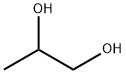
- 57-55-6
- C3H8O2
- 76.09
- All (326)
- China (55)
- (326)
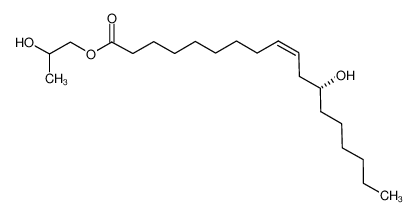
- 26402-31-3
- C21H40O4
- 356.54000
- All (0)
- China (0)
- (0)
- 118624-10-5
- C9H18O7
- 238.23500
- All (0)
- China (0)
- (0)

- 53824-77-4
- C23H44O4
- 384.59300
- All (0)
- China (0)
- (0)
- 112071-94-0
- C9H16O5
- 204.22000
- All (0)
- China (0)
- (0)
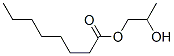
- 31565-12-5
- C11H22O3
- 202.29058
- All (0)
- China (0)
- (0)

- 41395-83-9
- C21H40O4
- 356.54000
- All (0)
- China (0)
- (0)
- 25791-96-2
- HO(C3H6O)nCH[CH2(OC3H6)nOH]2
- 0
- All (4)
- China (2)
- (4)
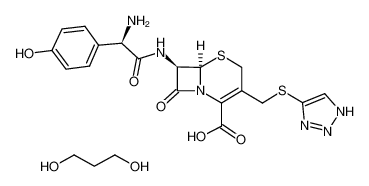
- 64217-62-5
- C21H26N6O7S2
- 538.60000
- All (1)
- China (1)
- (1)

- 105-62-4
- C39H72O4
- 604.99
- All (1)
- China (0)
- (1)
Related Products More >

- CNY Request For Quotation
- CNY Request For Quotation
- CNY Request For Quotation
- 110-98-5
- CNY Request For Quotation
- 110-98-5
- CNY Request For Quotation
- 25322-69-4
- Request For Quotation
- 25322-69-4
- Request For Quotation
- 24800-44-0
- CNY 10.0000
- 25kg


Its (atomization mechanism) involves heating the liquid to around 200–300°C, turning propylene glycol into tiny droplets (aerosols) that carry nicotine and flavorings. These aerosols are then inhaled into the lungs.
Inhalation of propylene glycol vapor can affect the lungs. Studies suggest it may disrupt the lung’s natural defense mechanisms, reducing mucus clearance. Long-term, repeated exposure might increase susceptibility to respiratory infections, though research on its chronic effects remains ongoing.
Why PG is Used in E-Cigarettes
Vapor Production:
PG’s low boiling point (188°C) enables efficient atomization
Produces throat hit mimicking traditional cigarettes
Solvent Properties:
Carries nicotine/flavors evenly (better than vegetable glycerin/VG)
Extends shelf life by preventing ingredient separation
Regulatory Status:
FDA designates PG as "generally safe" for inhalation (though not formally approved)
PG Vaporization Mechanism
Heating Process:
Coil heats to 170-220°C (below PG’s decomposition temp of 290°C)
Forms aerosol droplets (0.1-1.0 μm diameter)
Particle Behavior:
60-70% of inhaled PG deposits in upper airways
30% reaches deep lung tissue (alveoli)
Exhalation Fate:
90% exhaled unchanged within 2 hours
10% metabolized to lactic acid
Lung Health Impacts: What Research Shows
Short-Term Effects (Clinical Studies)
Mild irritation: 12% of vapers report throat dryness/coughing
No significant spirometry changes in healthy adults (72-hour exposure trials)
Long-Term Concerns (Animal/In Vitro Data)
Reduced ciliary function: PG may slow mucus clearance at >5 mg/m³
Oxidative stress markers: Observed at vaping doses equivalent to 3 mL/day
No emphysema evidence: Unlike cigarette smoke
Vulnerable Groups
Asthmatics: 23% show increased airway resistance
COPD patients: May experience worsened symptoms
Safety vs. Traditional Smoking
Parameter
PG Vaping
Cigarette Smoke
Carcinogens
None detected
70+ known carcinogens
Carbon monoxide
Absent
400-500 ppm per cigarette
Lung inflammation
Mild (if any)
Severe chronic bronchitis
The reason PG is used in e-cigarettes lies in its ability to vaporize easily and produce a smoke-like mist, enhancing the user experience. Additionally, it has a slightly sweet taste and does not alter the flavor of the e-liquid significantly. Despite these advantages, some studies suggest that while occasional exposure to propylene glycol is relatively harmless, prolonged inhalation might lead to respiratory issues such as throat and lung irritation or inflammation. The long-term effects of inhaling PG through vaping remain under investigation due to the relatively recent emergence of e-cigarettes.
In other applications, such as in theatrical fog machines or as a solvent in pharmaceuticals, PG's safety profile supports its widespread use. These applications leverage its properties without posing significant health risks when used as directed.
It is important for consumers to be aware of the potential risks associated with the inhalation of substances like PG, especially considering the variability in the quality and composition of e-liquids available on the market. Awareness, regulation adherence, and further research into the health impacts of PG inhalation are key considerations for ensuring the safety of e-cigarette users. This discussion underscores the necessity of informed usage and continuous evaluation of substances like PG in novel applications.