


 Home
Home
We’ve all heard about how healthy the Mediterranean diet is—but what exactly makes extra virgin olive oil so powerful? I keep seeing mentions of compounds like hydroxytyrosol and oleuropein. Are these just trendy buzzwords, or do they actually do something inside the body? How do they work when it comes to things like inflammation, heart health, or even cancer prevention? I’m curious whether these compounds are effective in small amounts and if they really make a difference in everyday diets.
Can Olive Oil Compounds Really Fight Inflammation and Atherosclerosis?
Related Encyclopedia
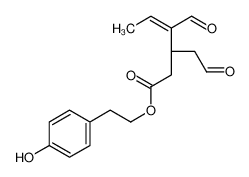
- 289030-99-5
- C17H20O5
- 304.33800
- All (1)
- China (0)
- (1)
- 1273095-06-9
- C19H20D6N2O6
- 384.45700
- All (1)
- China (0)
- (1)
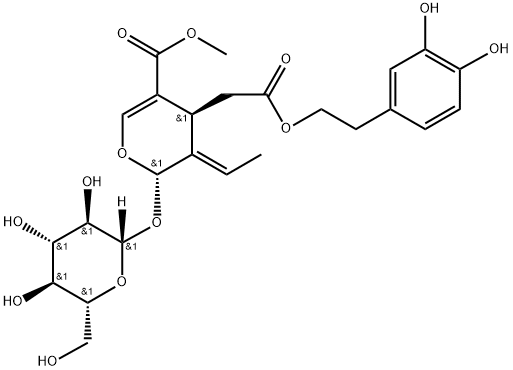
- 32619-42-4
- C25H32O13
- 540.52
- All (20)
- China (14)
- (20)
- 315207-62-6
- C25H32O13
- 540.51400
- All (20)
- China (14)
- (20)
- 1115023-46-5
- C31H42O18
- 702.65400
- All (0)
- China (0)
- (0)
Related Products More >

- 991-84-4
- Request For Quotation
- 991-84-4
- Request For Quotation
- 989-51-5
- Request For Quotation
- 96-69-5
- Request For Quotation
- 947-19-3
- Request For Quotation
- 90498-90-1
- Request For Quotation
- 90028-20-9
- Request For Quotation
- 85095-61-0
- Request For Quotation


Hydroxytyrosol, in particular, is thought to protect blood vessels, improve cholesterol profiles, and may even slow the growth of abnormal cells. Oleuropein and its related compounds also appear to play a role in how cells grow, survive, or self-destruct. What’s fascinating is how these little molecules might influence cell cleanup systems like autophagy, which helps get rid of damaged parts inside cells. So even a drizzle of high-quality EVOO might offer more benefits than we usually think—especially if it’s part of a consistent, balanced diet.
Oleocanthal, for instance, has the remarkable ability to rupture parts of cancer cells, triggering a process called lysosomal membrane permeabilization (LMP). This causes toxic enzymes from inside the cell to be released, effectively leading to its own destruction, while leaving healthy cells unharmed. This mechanism bypasses the slow route of programmed cell death and leads to rapid cell breakdown within minutes. Hydroxytyrosol, another potent compound, is known for its antioxidant properties, which help neutralize free radicals and protect blood vessels. It also appears to modulate inflammation by interfering with pathways related to COX-2 and NF-κB, both of which are closely tied to chronic inflammatory diseases and cardiovascular issues. These compounds don’t just act in isolation. They’re deeply embedded in metabolic and cellular systems, influencing cell signaling, immune response, and even the process of autophagy—our cells’ ability to clean out damaged components.
From a chemical standpoint, their 6-carbon ring structure contributes to their reactivity and bioavailability. Physically, they affect the flavor, stability, and shelf life of the oil, which is why higher-quality EVOO has a distinct peppery or slightly bitter taste. Medically, these properties are significant because they offer a potential non-invasive way to support health, especially in the context of chronic conditions like cancer, heart disease, and neurodegeneration. EVOO’s polyphenols also open doors for industrial and pharmaceutical innovation. Derivatives such as hydroxytyrosol esters and alkyl ethers are now being explored for better stability and absorption in the human body.
In daily life, even a small drizzle of EVOO in your meals could support long-term health when part of a consistent, balanced diet. What makes EVOO powerful is not one single nutrient, but the way its complex natural chemistry interacts with biology across multiple systems—making it not just food, but a functional part of preventive health.
In the body, they fight inflammation by blocking pathways like NF-κB, reducing pro-inflammatory molecules such as COX-2 and iNOS. For heart health, they improve endothelial function, lower blood pressure, and cut oxidized LDL via inhibiting AKT and ERK1/2 pathways, unlike statins that mainly lower cholesterol. Against cancer, they disrupt cell cycles and trigger apoptosis—hydroxytyrosol stalls tumor growth by blocking ERK1/2, while oleuropein hinders cancer cell migration, differing from chemo’s broad cell damage.
Even in small amounts (100-300mg/kg in olive oil), they work. Daily intake via diet accumulates effects, aiding long-term health. Though clinical data lags behind preclinical studies, evidence shows they boost cardiovascular markers and ease inflammation in metabolic disorders. Their bioactivity depends on structure; derivatives like hydroxytyrosol esters enhance stability and absorption, a focus for better efficacy. Misconceptions that only large doses matter overlook their cumulative, multi-pathway action, making them vital in preventive health.
The clinical relevance of these compounds is evident even at dietary doses. For example, hydroxytyrosol-enriched olive oil improves endothelial function and lowers oxidized LDL in humans, directly benefiting heart health. Oleocanthal, responsible for EVOO’s peppery taste, mimics ibuprofen’s anti-inflammatory action by targeting COX enzymes, offering natural protection against chronic inflammation. In cancer prevention, phenolic compounds like oleuropein selectively target tumor cells—rupturing their lysosomes within 30 minutes—while sparing healthy cells, as demonstrated in breast and prostate cancer models.
Practical implications are clear: daily EVOO consumption (e.g., 2 tablespoons) delivers sufficient phenolics to modulate inflammation and oxidative stress. The synergy of these compounds in EVOO, combined with their bioavailability in real-world doses, underscores why Mediterranean diets correlate with lower disease rates. For instance, populations with high EVOO intake exhibit reduced atherosclerosis and cancer incidence, validating the translational impact of these molecules beyond lab studies.