


 Home
Home
I always thought silicon dioxide was only related to rocks and glass, so I was really shocked to find out it’s used as a food additive! I’m super curious about what makes it suitable for food. Does it change the taste or texture? And is it safe? I’ve seen it listed in the ingredients of various snacks and powdered foods, but I have no idea how it actually functions. Are there any hidden risks or benefits? I’d love to learn more about these mind - blowing facts to understand better what I’m consuming. Any insights would be a huge help!
What Are Some Mind - Blowing Facts About Silicon Dioxide as a Food Additive?
Related Encyclopedia

- 7631-86-9
- O2Si
- 60.08
- All (126)
- China (40)
- (126)
- 83957-02-2
- O2Si
- 64.08380
- All (126)
- China (40)
- (126)
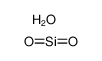
- 23382-09-4
- H2O3Si
- 78.09960
- All (1)
- China (0)
- (1)
- 2308-23-8
- C18H14N2NaO7S2-
- 457.43300
- All (0)
- China (0)
- (0)
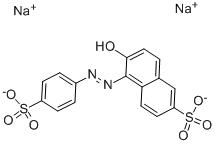
- 15790-07-5
- C16H10N2O7S2.2Na
- 452.374
- All (1)
- China (0)
- (1)
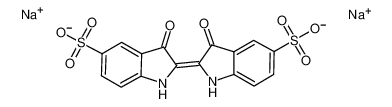
- 16521-38-3
- C16H8N2O8S2.2Na
- 466.35700
- All (1)
- China (0)
- (1)
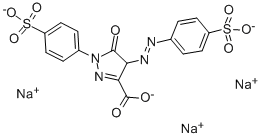
- 12225-21-7
- C16H9N4O9S2.3Na
- 534.368
- All (1)
- China (0)
- (1)
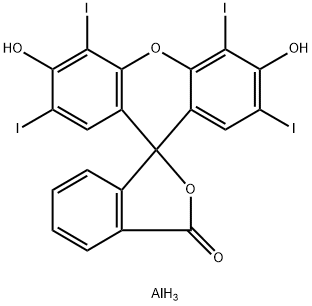
- 12227-78-0
- C20H11AlI4O5
- 865.9
- All (1)
- China (0)
- (1)
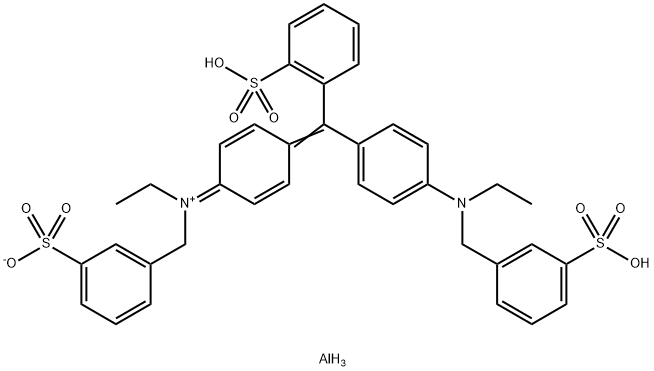
- 68921-42-6
- C37H39AlN2O9S3
- 778.89
- All (1)
- China (0)
- (1)
Related Products More >

- 1333-86-6
- CNY Request For Quotation
- 1333-86-5
- CNY Request For Quotation
- 1333-86-4
- CNY Request For Quotation
- CNY Request For Quotation
- CNY Request For Quotation
- CNY Request For Quotation
- CNY Request For Quotation
- CNY Request For Quotation


First off, the main reason it's used in food is its anti - caking properties. You know how powdered foods like spices, coffee creamer, or even some baking mixes can clump up? Silicon dioxide helps prevent that. It's like a tiny barrier between the particles, keeping them loose and free - flowing. It doesn't really change the taste or texture of the food at all. Think of it as a behind - the - scenes helper that just does its job without getting in the way of how the food tastes or feels in your mouth.
Now, about safety. The FDA and other food safety organizations around the world consider it safe when used within approved limits. It's not something that gets absorbed by our bodies in significant amounts. When we consume foods with silicon dioxide, most of it just passes through our digestive system and gets excreted. There haven't been any major studies showing that normal consumption of foods with this additive causes health problems. But, like with anything, if you were somehow consuming massive, unrealistic amounts of it, that might be a different story.
As for hidden benefits, besides keeping our powdered foods in good condition, it can also help with product consistency. In some cases, it might even help certain ingredients blend better together. For example, in some processed snacks, it can prevent the fats and powders from separating.
There aren't really any major hidden risks. However, some people might have concerns about the quality of the silicon dioxide used. If it's not produced or purified properly, there could potentially be impurities. But food manufacturers are required to follow strict standards to make sure the additive is safe and of high quality.
So, in short, silicon dioxide is a pretty handy and generally safe food additive that mostly just keeps our food from clumping up. Next time you see it on an ingredient list, you can be a bit more informed and less freaked out!
First off, texture is its main gig. Ever notice how powdered spices or instant coffee don’t clump up? That’s silica at work. It’s an anti-caking agent—its tiny particles act like microscopic ball bearings, absorbing moisture and keeping powders flowing freely. It doesn’t change taste because it’s inert; your taste buds don’t even notice it.
Safety-wise, it’s generally recognized as safe (GRAS) by the FDA and EFSA. Our bodies can’t digest it, so it passes straight through without being absorbed. That said, nano-sized silica (super tiny particles) has raised some eyebrows in studies, but food-grade SiO₂ uses larger particles deemed harmless. The key is moderation—like anything, mega doses might irritate your gut, but the amounts in food are minuscule.
Fun fact: Silicon dioxide isn’t just synthetic. It’s naturally in foods like bananas, leafy greens, and even beer! Plants pull it from soil, and our bodies evolved to handle it. The stuff added to food is just purified to remove impurities.
So no, it’s not secretly seasoning your chips—it’s more like a texture guardian. And while "rock in your food" sounds odd, it’s been used safely for decades. Just another example of chemistry making everyday life a little smoother—literally!
1. What Silicon Dioxide Does in Food (It’s All About Texture and Flow)
Silicon dioxide isn’t there to add flavor, color, or nutrients—it’s a functional ingredient that solves two big problems:
Anti-caking agent: Keeps powders (like salt, spices, or protein mixes) from clumping. Think of it as a microscopic buffer that stops salt crystals from sticking together in humid weather.
Flow enhancer: Helps powders pour smoothly. Without it, your shaker bottle of powdered coffee creamer might act like wet sand.
How it works: The particles of silicon dioxide are tiny and porous, with a huge surface area. They coat other ingredients, absorbing moisture and creating space between particles, so everything stays loose and free-flowing.
2. Does It Change Taste or Texture? Nope—It’s Stealthy
Taste: Silicon dioxide is odorless and tasteless. You won’t detect it in your cheese puffs or spice blends.
Texture: It doesn’t add grit or crunch. The particles are so small (often < 10 micrometers) that they’re undetectable to your tongue.
3. Safety: Is It Safe to Eat Rock Dust?
Yes—but let’s dig into why:
FDA approval: It’s classified as GRAS (Generally Recognized As Safe) in the U.S., meaning experts agree it’s harmless at typical use levels (usually < 2% by weight in foods).
Daily intake: The average person consumes 20–50 mg per day from food, which is tiny compared to the no-observed-adverse-effect level (NOAEL) set by safety studies (thousands of mg/kg body weight).
Digestive fate: Silicon dioxide isn’t absorbed by your body—it passes through unchanged. Your gut doesn’t break it down, so it’s basically a “neutral passenger.”
4. Potential Benefits: Beyond Just Flow
Natural source: It’s often derived from sand or quartz (same stuff as in nature) or produced synthetically. Either way, it’s chemically identical.
Alternative to sketchy additives: Some manufacturers use it instead of other anti-caking agents (like sodium aluminum silicate) that consumers might avoid.
5. Hidden Risks? Not Really, But Here’s What to Know
Overdose concerns: You’d have to eat kilograms of it to reach unsafe levels. Even then, the main risk would be choking on a giant clump (not toxicity).
Allergies/intolerances: Extremely rare, but some people with severe silica sensitivities (from occupational exposure) might react. This isn’t common in food-grade SiO₂.
Environmental impact: Mining silica can have ecological costs, but food-grade SiO₂ is often produced synthetically (using sodium silicate and acid), which is less resource-intensive.
6. Real-World Examples: Where You’ll Find It
Powdered drinks: Protein shakes, hot cocoa mixes, instant coffee.
Spices and seasonings: Salt, garlic powder, chili powder.
Supplements: Some vitamin tablets use it to prevent clumping.
Processed snacks: Cheese puffs, dried soups, or anything in a shaker packet.
7. Final Tip: How to Spot It (and Decide If You Care)
Label check: Look for “silicon dioxide,” “silica,” or “E551” (its EU food additive code).
If you’re worried: Opt for whole foods or minimally processed snacks—but honestly, the amount in processed foods is negligible.
Now you’ve got it! Silicon dioxide is the food industry’s invisible helper, ensuring your spices stay free-flowing and your protein powder doesn’t cement into a brick. It’s safe, tasteless, and does its job without fanfare. So next time you see it on a label, you can nod knowingly—this “rock” is just along for the (snack) ride.