


 Home
Home
I've heard a lot about how chemicals like dopamine are linked to happiness, but I'm still confused about the details. What other chemicals play a role in making us feel happy? How do these chemicals actually work in our brains? Do they just float around and randomly make us feel good, or is there a specific process? I also wonder if the release of dopamine can be controlled or increased in a healthy way. For example, does exercise really boost dopamine levels? And what happens if there's an imbalance of these "happiness chemicals"? Can anyone break it all down for me with some simple explanations and real - life examples?
Could someone explain the chemicals behind happiness, especially dopamine?
Related Encyclopedia
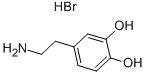
- 645-31-8
- C8H12BrNO2
- 234.09
- All (9)
- China (2)
- (9)
- 1220710-22-4
- C11H15NO2
- 193.24200
- All (0)
- China (0)
- (0)
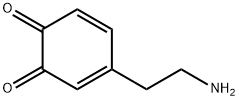
- 50673-96-6
- C8H9NO2
- 151.16
- All (0)
- China (0)
- (0)
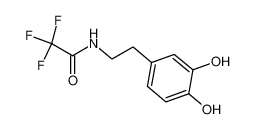
- 65846-04-0
- C10H10F3NO3
- 249.18700
- All (0)
- China (0)
- (0)
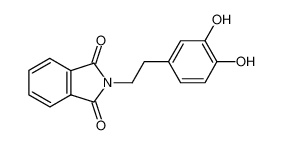
- 57894-18-5
- C16H13NO4
- 283.27900
- All (0)
- China (0)
- (0)
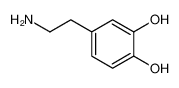
- 51079-99-3
- C8H11NO2+
- 154.18600
- All (0)
- China (0)
- (0)
- 1251958-94-7
- C26H21NO4
- 411.44900
- All (0)
- China (0)
- (0)
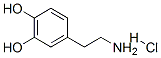
- 62-31-7
- C8H12ClNO2
- 189.64
- All (23)
- China (20)
- (23)
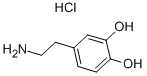
- 335081-04-4
- C8H12ClNO2
- 189.64
- All (23)
- China (20)
- (23)
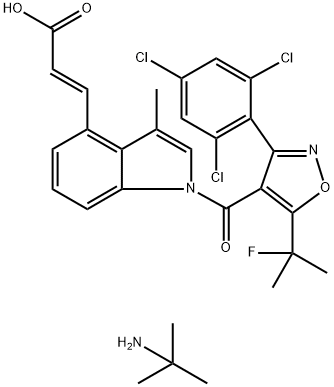
- 1898207-64-1
- C29H29Cl3FN3O4
- 608.92
- All (0)
- China (0)
- (0)
Related Products More >

- Request For Quotation
- 1310-73-2
- Request For Quotation
- 108-80-5
- USD 50.0000
- 50kg
- 108-78-1
- USD 4.5000
- 25kg
- 4559-86-8
- USD 750.0000
- 170kg


You're right that dopamine is a huge player when it comes to feeling good. Think of it as a kind of "reward" chemical. When you do something enjoyable, like eating your favorite dessert or getting a compliment, your brain releases dopamine. It gives you that sense of pleasure and makes you want to repeat that activity. But it's not the only chemical in town. Serotonin is another big one. Low levels of serotonin are often linked to depression, while higher levels can make you feel more calm, confident, and happy. It helps regulate your mood, sleep, and even your appetite. Oxytocin is often called the "love hormone" or the "cuddle hormone." It gets released when you hug someone, bond with a friend, or have a deep conversation. It makes you feel connected and trusting. And endorphins are like your body's natural painkillers and mood lifters. You've probably heard that exercise releases endorphins, which is why people talk about that "runner's high." When you work out hard, your body pumps out endorphins that can make you feel euphoric and reduce stress.
Now, how do these chemicals actually work in our brains? It's a pretty complex process, but I'll simplify it. Our brain has these things called neurons, which are like little communication cells. These chemicals act as messengers between neurons. When a certain chemical is released, it travels to specific receptors on other neurons. It's kind of like a key fitting into a lock. Once the chemical attaches to the receptor, it can either activate or inhibit that neuron, which then affects how we think, feel, and behave. It's definitely not random!
As for controlling or increasing dopamine in a healthy way, yes, exercise is a great option. Not only does it release endorphins, but it can also boost dopamine levels over time. When you set a fitness goal and achieve it, your brain rewards you with a dopamine hit. Eating a balanced diet with plenty of protein can also help, since amino acids in protein are used to make dopamine. Another thing is getting enough sleep. Lack of sleep can mess with your dopamine production and make you feel grumpy.
If there's an imbalance of these happiness chemicals, it can have a big impact on your well - being. For example, if your serotonin levels are too low, you might feel constantly sad, lose interest in things you used to enjoy, and have trouble sleeping. With dopamine imbalances, you could either feel a lack of motivation and pleasure (if it's too low) or become overly impulsive or addicted to certain behaviors (if it's too high).
Let's say you're feeling down. Maybe you haven't been getting enough sleep, and your serotonin levels are taking a hit. By making small changes like going to bed at a regular time, taking a short walk each day to get some endorphins flowing, and having a meal with protein - rich foods like chicken or beans, you can start to balance out those chemicals and feel happier. It's all about understanding how these chemicals work and making lifestyle choices that support their healthy levels!
Meet the “happiness chemical” team
Dopamine: The “motivation molecule”—it’s not just about pleasure. It rewards you for taking actions that help you survive (like eating, socializing, or achieving goals).
Example: When you check your phone and see a like on your post, dopamine spikes. It’s your brain’s way of saying, “Hey, this feels good—do it again!”
Serotonin: The “mood stabilizer”—it regulates emotions, sleep, and appetite. Low serotonin = grumpiness, anxiety, or even depression.
Example: Eating tryptophan-rich foods (like turkey or nuts) boosts serotonin, which is why you might feel calmer after a meal.
Oxytocin: The “bonding hormone”—it’s released during hugs, cuddling, or trust-building moments. It’s why you feel warm and fuzzy around loved ones.
Example: Holding a pet or giving a friend a high-five triggers oxytocin, strengthening your social connections.
Endorphins: The “natural painkillers”—they block pain and create euphoria. Think of them as your brain’s built-in opioids.
Example: Laughing so hard your stomach hurts? Endorphins. Running a marathon and feeling a “runner’s high”? Also endorphins.
How they work: Not random—they’re triggered by actions
These chemicals don’t just float around randomly. They’re released in response to specific behaviors:
Dopamine: Rewards you for seeking rewards (e.g., scrolling Instagram, crushing a work deadline).
Serotonin: Kicks in when you feel safe, accomplished, or connected (e.g., finishing a project, meditating).
Oxytocin: Flows during physical touch or emotional intimacy (e.g., hugging, gossiping with a friend).
Endorphins: Show up during stress or pain (e.g., exercise, spicy food, childbirth).
Can you control them? Yes—here’s how
Exercise: A 30-minute jog boosts dopamine, serotonin, and endorphins. It’s like a chemical cocktail for your brain.
Real-life: Ever feel unstoppable after a workout? That’s the trio at work.
Sunlight: Vitamin D (from sunlight) helps regulate serotonin. Even 10 minutes outside can lift your mood.
Real-life: Seasonal Affective Disorder (SAD) hits in winter because of low sunlight—and serotonin.
Social connection: Hugging, laughing, or even eye contact triggers oxytocin and dopamine.
Real-life: Texting doesn’t count—in-person interaction is key.
Mindfulness: Meditation or deep breathing can increase serotonin and calm your nervous system.
Real-life: Taking 5 minutes to breathe deeply before a stressful meeting can stabilize your mood.
What happens if they’re out of balance?
Low dopamine: Lack of motivation, procrastination, or addictive behaviors (seeking quick dopamine hits, like gambling or junk food).
Low serotonin: Anxiety, depression, or insomnia.
Low oxytocin: Loneliness, trust issues, or difficulty bonding.
Low endorphins: Chronic pain, low pain tolerance, or depression.
Final takeaway: Your brain’s happiness chemicals aren’t magic—they’re tools you can nudge in the right direction. Exercise, sunlight, social time, and mindfulness aren’t just “self-care” buzzwords; they’re science-backed ways to keep your chemical squad in harmony. So next time you feel a post-workout high or a hug-induced glow, remember: You’re not just “feeling good”—you’re actively boosting your brain’s reward system. And that’s way cooler than any like button.
1. Dopamine – The "motivation molecule." It’s released when you anticipate or achieve a reward (like finishing a task, eating good food, or winning a game). It doesn’t make you happy directly—it makes you seek happiness. Low dopamine can lead to lack of motivation (like in ADHD or depression). Exercise, goal-setting, and even listening to music can boost it naturally.
2. Serotonin – The "mood stabilizer." It helps regulate anxiety, sleep, and digestion. Low serotonin is linked to depression (which is why SSRIs, like Prozac, increase its availability in the brain). Sunlight, exercise, and foods rich in tryptophan (like turkey or nuts) support serotonin production.
3. Endorphins – The "natural painkillers." They’re released during stress or pain (like a tough workout) to help you push through. That’s why runners get a "high" after long distances—their brains block discomfort with endorphins.
4. Oxytocin – The "love hormone." It’s released during hugs, bonding, or trust-building moments (even petting a dog triggers it). It reduces stress and strengthens social connections.
Real-life examples:
• Exercise boosts all these chemicals—dopamine (reward), serotonin (mood), endorphins (euphoria), and oxytocin (if you’re working out with friends).
• Meditation and gratitude increase serotonin, making you feel calmer.
• Imbalances happen—chronic stress depletes dopamine/serotonin, while addiction overstimulates dopamine (leading to crashes).
The key? These chemicals work best in balance. You can’t force constant happiness, but healthy habits (sleep, movement, socializing) keep the system running smoothly.