


 Home
Home
Hello, I’m wondering about the best way to clean plastic windows. What cleaners are safe to use? How can I avoid damaging the plastic? Are there health risks if windows aren’t cleaned properly?
How to clean plastic windows safely and effectively without damaging the material or affecting indoor air quality?
Related Encyclopedia
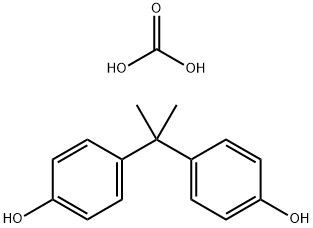
- 25037-45-0
- C16H18O5
- 290.32
- All (23)
- China (7)
- (23)
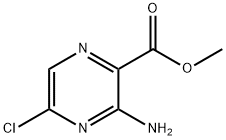
- 28643-16-5
- C6H6ClN3O2
- 187.58
- All (0)
- China (0)
- (0)
- 64742-49-0
- N/A
- 112
- All (0)
- China (0)
- (0)
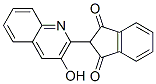
- 75216-45-4
- C18H11NO3
- 289.28
- All (0)
- China (0)
- (0)
- 64742-94-5
- C9
- 0
- All (22)
- China (4)
- (22)
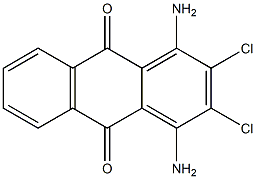
- 70956-27-3
- C14H8Cl2N2O2
- 307.13152
- All (0)
- China (0)
- (0)
- 74027-89-7
- C17H14N2O
- 262.30600
- All (0)
- China (0)
- (0)
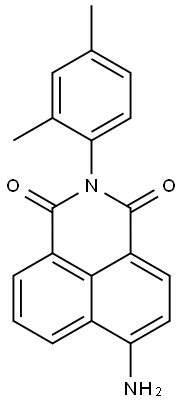
- 2478-20-8
- C20H16N2O2
- 316.35
- All (0)
- China (0)
- (0)
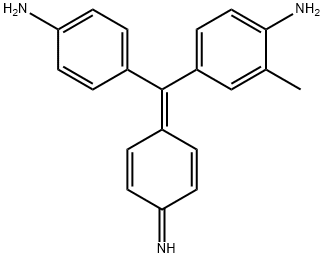
- 3248-93-9
- C20H19N3
- 301.39
- All (0)
- China (0)
- (0)
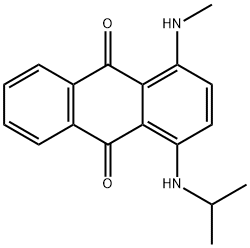
- 15403-56-2
- C18H18N2O2
- 294.35
- All (0)
- China (0)
- (0)
Related Products More >

- 93-46-9
- CNY 4500.0000
- 1ton
- 25037-45-0
- CNY 10.0000
- 25kg
- USD 470.0000
- 200kg
- USD 60.0000
- 25kg
- 71902-18-6
- Request For Quotation
- 25kg
- 71902-18-6
- Request For Quotation
- 1ton


Plastic windows, often made of materials like polycarbonate or acrylic, are sensitive to harsh chemicals and abrasive materials. From a health perspective, improperly cleaned windows can accumulate dust, mold, and allergens, which may worsen respiratory conditions such as asthma or allergies. Using strong solvents or abrasive cleaners can degrade the plastic surface, causing micro-scratches that trap dirt and microbes, potentially increasing exposure to allergens or bacteria.
Clinically, maintaining clean and intact plastic windows supports indoor air quality and reduces triggers for respiratory irritation. To safely clean plastic windows, use a soft microfiber cloth with a solution of mild dish soap and warm water or diluted white vinegar. Avoid ammonia-based cleaners and abrasive pads, which can cause cloudiness or scratches. Rinse thoroughly and dry with a lint-free cloth to prevent streaks and residue buildup.
For patients sensitive to chemical odors or with respiratory issues, opting for natural cleaning agents like vinegar or specially formulated plastic-safe cleaners is advisable. Regular cleaning schedules help prevent buildup, while ensuring proper ventilation during cleaning reduces inhalation of any fumes.
When cleaning plastic windows, understanding the chemistry helps us choose the right methods. The plastic surface is generally nonpolar or weakly polar, which means it doesn’t easily dissolve in water or interact strongly with polar molecules. However, dirt and grime often contain polar substances like dust, oils, or biological residues, which can be broken down by mild polar solvents such as water mixed with soap or vinegar. Soap molecules are amphiphilic, with hydrophobic tails that interact with oils and hydrophilic heads that dissolve in water, allowing them to lift and emulsify dirt from the plastic surface.
Strong solvents or abrasive cleaners should be avoided because they can disrupt the polymer chains through chemical reactions like oxidation or cause physical damage by scratching. For instance, ammonia-based cleaners can break some of the covalent bonds or alter the surface chemistry, making the plastic cloudy or brittle. Physically, abrasive particles can create micro-scratches that scatter light, reducing transparency and trapping dirt or microbes.
Biologically, clean windows reduce the accumulation of allergens, mold spores, or bacteria, improving indoor air quality and minimizing respiratory risks. From an industrial point of view, maintenance of plastic surfaces often involves selecting cleaning agents that balance efficacy with material stability.
Think of plastic windows like your favorite pair of sunglasses. If you scrub them with a rough sponge or ammonia-based cleaner (like Windex), you’ll end up with tiny scratches that make everything look cloudy. For example, imagine your car’s plastic sunroof after a road trip—dust, bugs, and tree sap stick to it, but using a paper towel to wipe it dry just grinds the gunk deeper. Instead, a gentle approach keeps the plastic clear and scratch-free.
Here’s why this matters: Plastic is softer than glass, so it’s prone to micro-scratches that trap dirt and make it look dull over time. Even “streak-free” glass cleaners can contain alcohol or ammonia, which can dry out the plastic and make it brittle. Plus, plastic is porous (like a sponge), so harsh chemicals can seep in and cause discoloration or cracking.
So, what’s the fix? Start with the basics: Fill a bucket with warm water and a few drops of dish soap. Dip a microfiber cloth or sponge (soft side only!) into the solution, wring it out, and gently wipe the plastic in circular motions. Rinse with clean water and dry with a separate microfiber towel to avoid water spots. For stubborn spots (like bird droppings or sap), dampen a cloth with white vinegar (diluted 1:1 with water) and let it sit for 5 minutes before wiping. For scuffs, make a paste of baking soda and water, apply it with a soft toothbrush, and rinse thoroughly.
Pro tip: Prevent future grime by keeping a squeegee handy. After rain or washing, quickly swipe the plastic with a squeegee to remove water droplets (which attract dirt). And if you’re storing plastic items (like a greenhouse cover), clean them first, then roll them up with a clean, dry towel inside to absorb moisture. A little maintenance goes a long way in keeping plastic windows clear and streak-free! ?️✨
People often mess up in simple ways. A big one is using glass cleaners with ammonia or alcohol—those can cloud plastic over time, leaving it looking dull instead of clear. Others grab rough sponges or steel wool to tackle tough spots, but that scratches the surface, which then traps more dirt later. And rubbing in circles? That can spread grime around instead of lifting it, leaving streaks. Oh, and skipping a pre-rinse? If there’s grit or sand on the plastic, wiping it dry will scratch it for sure.
For a gentle, effective routine at home, start with a soft brush or microfiber cloth to dust off loose dirt—this prevents scratching. Then mix warm water with a tiny bit of mild dish soap (avoid anything with bleach or abrasives). Dip a sponge or soft cloth in the soapy water, wring it out well, and wipe the plastic in straight lines—this helps avoid streaks. For sticky spots, let the soapy water sit for a minute, then gently wipe again.
Rinse with a clean, damp cloth to get rid of soap residue, then dry immediately with a lint-free towel to prevent water spots. If there are stubborn mineral deposits, mix equal parts white vinegar and water, apply with a cloth, let it sit a few minutes, then wipe clean—vinegar’s gentle acidity works without harming plastic.
A quick wipe-down once a week keeps dirt from building up, and avoiding harsh chemicals will keep your plastic windows clear and scratch-free for longer. It’s simple, but taking a little care makes a big difference.