


 Home
Home
Hello, I’m wondering how to clean a microfiber cloth without damaging it. Can I use bleach or fabric softeners? How often should I wash it to avoid bacteria buildup? Are there safer alternatives for people with allergies or asthma?
How to Clean a Microfiber Cloth Properly to Maintain Its Hygiene and Effectiveness?
Related Encyclopedia
- 63428-84-2
- 0
- All (16)
- China (1)
- (16)
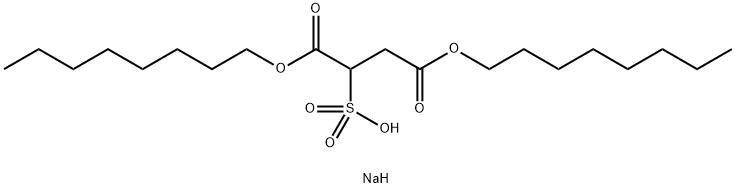
- 1639-66-3
- C20H39NaO7S
- 446.57
- All (3)
- China (2)
- (3)

- 63428-83-1
- H2OSi
- 46.10078
- All (0)
- China (0)
- (0)
Related Products More >

- 9004-82-4
- Request For Quotation
- 9000-11-7
- Request For Quotation
- 80595-68-2
- Request For Quotation
- 80595-68-2
- Request For Quotation
- Bales
- 80595-68-2
- Request For Quotation
- 80595-68-2
- Request For Quotation
- 68603-42-9
- Request For Quotation


From a health perspective, microfiber cloths work by physically capturing dust, allergens, bacteria, and viruses through their densely woven synthetic fibers. If not cleaned correctly, they can accumulate microbes and organic debris, becoming a potential source of contamination rather than protection. This is similar to how improperly sanitized medical tools can harbor pathogens, increasing infection risks.
Incorrect cleaning methods—like using harsh chemicals, fabric softeners, or high heat—can degrade the fiber structure, reducing the cloth’s electrostatic charge and surface area. This loss diminishes its ability to pick up microscopic particles, which could affect environments that require high hygiene standards, such as hospitals or homes with immunocompromised individuals.
Clinically, using contaminated or worn microfiber cloths could contribute to the spread of infections or exacerbate respiratory conditions by releasing trapped allergens back into the air. For patients with asthma, allergies, or weakened immune systems, maintaining clean cleaning tools is essential.
Recommended cleaning involves washing microfiber cloths separately in warm water (around 40°C or 104°F) using a mild detergent without bleach or fabric softener. Air drying or using low heat in the dryer preserves the fibers better than high heat, which can melt or warp the synthetic threads.
If frequent cleaning is needed, having multiple cloths in rotation is wise. Alternatives include disposable wipes in clinical settings or using UV sterilization for an added level of disinfection.
Think of it like washing a fancy pair of sunglasses. Fabric softener leaves a waxy film, kind of how soap residue can fog up your lenses—ruining the cloth’s ability to grab dust and dirt. Microfiber’s superfine threads work because they trap grime, but that also means harsh stuff can clog ’em up.
Pro tip: Wash microfiber cloths separately from linty items like towels. Those fuzzy bits will stick to the microfiber and make it less effective. Keep a small mesh bag for them in the laundry room—easy to grab and wash without the hassle. Your screens and surfaces will thank you!
First off, microfiber’s secret sauce is its tiny fibers—thousands of them per square inch! These fibers grab dust, dirt, and even bacteria like magnets. But they’re also delicate. Harsh detergents, fabric softeners, or high heat can clog or melt those fibers, turning your cloth into a useless rag. And if you’re using them for tasks like dusting electronics or wiping countertops, residue from cleaning products can build up, making them less effective over time.
Now, let’s bust a myth: “Microfiber cloths don’t need to be washed after every use.” Nope! Even if they look clean, they’re probably harboring germs, especially if you’ve used them on kitchen surfaces or bathrooms. A quick rinse under warm water after each use helps, but a proper wash every few uses is key. Oh, and avoid tossing them in with your regular laundry—those linty towels or fuzzy sweatshirts will leave your microfiber clothy and clumpy.
Family-friendly cleaning hacks:
Hand-wash hack: Fill a sink or bowl with warm water and a tiny squeeze of mild dish soap (like Dawn). Swish the cloth around, rub any dirty spots gently with your fingers, then rinse thoroughly. Squeeze out excess water—no wringing!—and hang to dry.
Machine-wash smart: If you must use the washer, toss the cloth in alone or with other microfiber items. Use cold or warm water (never hot!) and a gentle, fragrance-free detergent. Skip the fabric softener or dryer sheets—they’ll coat the fibers.
Dry with care: Air-drying is best, but if you’re in a hurry, toss the cloth in the dryer on low or no heat for 10-15 minutes. High heat will fry those fibers!
Bonus tip: If your cloth starts to smell funky, soak it in a 1:1 mix of white vinegar and water for 15 minutes before washing. It’ll kill odors without damaging the fabric.
Bottom line: Microfiber cloths are workhorses, but they need TLC to stay effective. Wash ’em gently, avoid harsh chemicals, and dry them right. Your surfaces (and your wallet!) will thank you. ?✨
From a chemical standpoint, polyester is formed through condensation polymerization, creating ester linkages (–COO–) between monomers, while polyamide involves amide bonds (–CONH–) resulting from the reaction between amines and carboxylic acids. Both polymers have polar functional groups, contributing to their hydrophilicity, but the overall fibers are hydrophobic enough to resist water absorption, aiding in quick drying.
When cleaning a microfiber cloth, understanding the chemical and physical structure is important. The tiny fibers can trap oils, dirt, and microorganisms through physical entrapment and electrostatic interactions. Washing in water with mild detergents helps break down oils and residues via surfactants, which reduce surface tension and emulsify dirt, allowing it to be rinsed away. Using bleach or fabric softeners is not recommended because bleach can break covalent bonds in the polymer chains, degrading the fiber’s structure, while fabric softeners coat fibers, reducing electrostatic attraction and thus cleaning efficiency.
Heat stability of microfiber is moderate; excessive heat from dryers or ironing can cause fibers to melt or deform, permanently damaging the cloth’s effectiveness. For lab or industrial use, microfiber cleaning protocols emphasize gentle detergents and controlled temperatures to maintain fiber integrity over many cycles.
Biologically, since microfiber cloths can trap bacteria and viruses, proper cleaning also removes these microorganisms, reducing cross-contamination risks. This is crucial in clinical or food preparation environments.