


 Home
Home
Coconut oil is often praised for its many health benefits, especially in natural health communities. One common claim is that it has antiviral properties and can help fight off infections. But how true is this? What part of coconut oil gives it antiviral effects, and does it really work against viruses in the body or on the skin? Is coconut oil an antiviral that you can rely on, or is that more of a myth?
Is Coconut Oil an Antiviral?
Related Encyclopedia
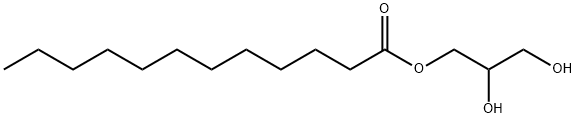
- 142-18-7
- C15H30O4
- 274.4
- All (4)
- China (2)
- (4)

- 86559-73-1
- C34H66NO12P
- 711.86
- All (0)
- China (0)
- (0)
- 97055-81-7
- C110H207N2O23P
- 1956.79000
- All (0)
- China (0)
- (0)
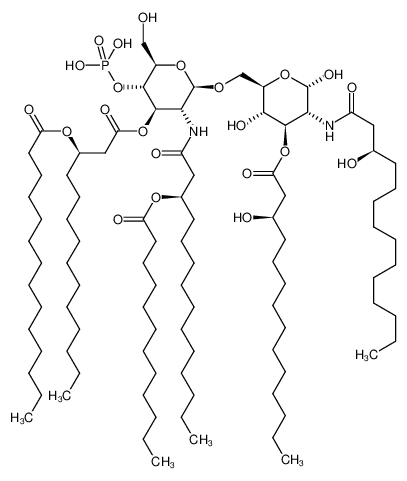
- 88598-53-2
- C94H177N2O22P
- 1718.39000
- All (0)
- China (0)
- (0)
Related Products More >

- 869062-42-0
- Request For Quotation
- Bottle,barrel,cargo,container,etc.
- 82410-32-0
- Request For Quotation
- 82410-32-0
- Request For Quotation
- 40738-26-9
- Request For Quotation
- 25kg
- 29984-33-6
- Request For Quotation
- 27215-38-9
- Request For Quotation
- 1kg/aluminium foil bag
- 27215-38-9
- Request For Quotation
- 27215-38-9
- Request For Quotation


Coconut oil might help with surface-level infections or be useful in keeping skin clean and moisturized, which can support healing. But it’s not a medicine or a cure for viral infections. You can’t rely on it to treat the flu, a cold, or any serious illness. It might support your immune system in small ways, but it’s not a replacement for proper medical care or antiviral medication.
In practical applications, coconut oil has been explored as a complementary antiviral agent in both dietary and topical forms. For instance, regular consumption may support immune function by providing raw material for monolaurin synthesis, while topical application could theoretically reduce viral load on the skin or mucous membranes—though clinical evidence remains limited. Traditional medicine in some cultures has used coconut oil to manage cold sores (caused by HSV-1), where its moisturizing and potential antiviral effects may alleviate symptoms. Yet, it cannot match the potency of pharmaceutical antivirals like acyclovir.
A critical limitation is its inactivity against non-enveloped viruses (e.g., norovirus, poliovirus), which lack the lipid layer that monolaurin targets. Moreover, the oil’s efficacy depends on direct contact, making systemic effects unpredictable. While incorporating coconut oil into hygiene routines—such as oil pulling or skin care—may offer mild protective benefits, it should never replace evidence-based treatments for viral infections. Its role is best understood as a supportive measure within a broader antiviral strategy, emphasizing hygiene, vaccination, and medical interventions when necessary.
However, the antiviral action of coconut oil in its raw form is indirect and relatively limited in scope. Its efficacy largely depends on the presence of lauric acid and the efficiency of its enzymatic conversion into monolaurin, a process that varies among individuals and physiological conditions. Coconut oil is not considered a direct antiviral drug, as it lacks specificity and consistency in action against a broad spectrum of viruses, particularly non-enveloped viruses which do not have the lipid layer that monolaurin targets.
In a biomedical context, coconut oil has been investigated as a complementary agent in oral and topical applications, especially for its potential to support skin and mucosal barrier function while offering mild antimicrobial benefits. Its role in functional foods and nutraceuticals has also grown, as part of broader discussions about immune-modulating diets. Industrially, coconut oil and its derivatives are used in formulations for skincare, soaps, and personal hygiene products due to their mild antimicrobial effects and stability.
Cross-disciplinary relevance emerges in virology, lipid biochemistry, immunology, and public health nutrition. While the public perception of coconut oil as an antiviral often stems from its "natural" reputation, its actual efficacy must be contextualized within scientific parameters. It is not a substitute for antiviral therapies or vaccines, but its molecular components do offer insight into lipid-based disruption of viral structures, a mechanism also explored in pharmaceutical antiviral drug development.
The broader significance of coconut oil lies not in its standalone antiviral potential, but in its contribution to a holistic understanding of how naturally occurring compounds can influence host-pathogen interactions. This understanding bridges food science, medicine, and public health, enriching ongoing discussions about integrative and preventive approaches to disease management.
This mechanism is most effective in controlled environments, where the compound directly contacts the virus. For instance, in topical applications, coconut oil may help reduce viral activity on skin surfaces, such as in cold sore outbreaks, by targeting the envelope of the herpes virus. Similarly, when used in oral care, its components might inhibit some enveloped viruses in the mouth by disrupting their structure before they can invade cells.
However, its efficacy is limited. Non-enveloped viruses, like norovirus or poliovirus, lack the lipid layer vulnerable to monolaurin, making coconut oil ineffective against them. Additionally, in systemic contexts—such as fighting viral infections in the bloodstream—the concentration of active compounds from coconut oil is typically too low to exert significant antiviral effects, as the body metabolizes them quickly.