


 Home
Home
Many people use coconut oil in cooking or skincare, but there’s confusion about its fat type. Is coconut oil really a saturated fat, and does that affect how we should use it?
Is coconut oil considered a saturated fat, and what does that mean?
Related Encyclopedia
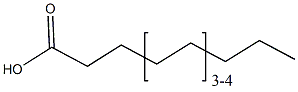
- 61788-47-4
- C19H21NO5
- 0
- All (8)
- China (0)
- (8)
- 8001-31-8
- N/A
- 0
- All (37)
- China (5)
- (37)
- 55621-34-6
- C32H62O7
- 558.83000
- All (84)
- China (21)
- (84)

- 143-07-7
- C12H24O2
- 200.32
- All (84)
- China (21)
- (84)

- 86559-73-1
- C34H66NO12P
- 711.86
- All (0)
- China (0)
- (0)
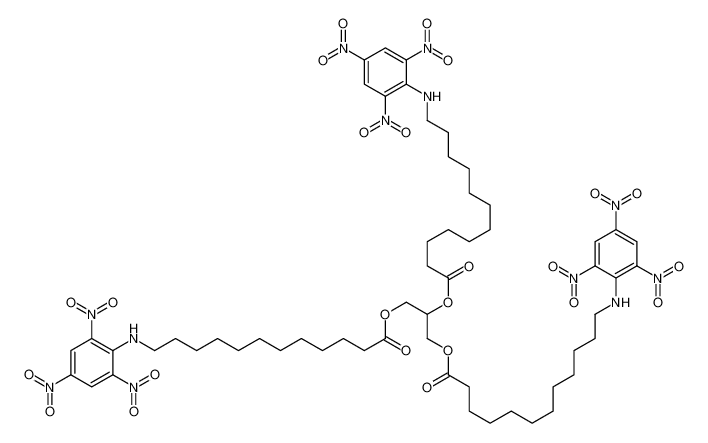
- 96337-55-2
- C57H80N12O24
- 1317.31000
- All (0)
- China (0)
- (0)
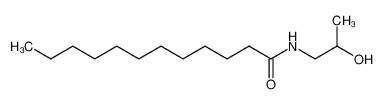
- 142-54-1
- C15H31NO2
- 257.41200
- All (0)
- China (0)
- (0)
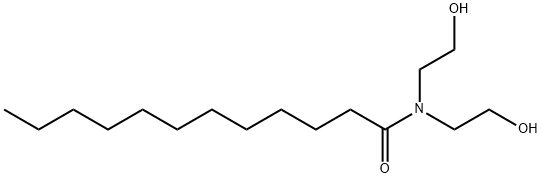
- 120-40-1
- C16H33NO3
- 287.44
- All (3)
- China (2)
- (3)

- 142-78-9
- C14H29NO2
- 243.39
- All (2)
- China (2)
- (2)
- 97055-81-7
- C110H207N2O23P
- 1956.79000
- All (0)
- China (0)
- (0)
Related Products More >

- CNY Request For Quotation
- CNY Request For Quotation
- CNY Request For Quotation
- CNY Request For Quotation
- CNY Request For Quotation
- 37318-31-3
- Request For Quotation
- 10kg
- 37318-31-3
- Request For Quotation
- 25kg
- 37318-31-3
- Request For Quotation
- 1kg


But what does “saturated” mean for everyday use? Well, saturated fats are usually more stable when heated, so coconut oil doesn’t break down as easily at high temps. Some people like it in smoothies or on toast for a creamy texture, too. Just remember, like any fat, it’s high in calories, so a little goes a long way. It’s not better or worse than other fats—just different, and knowing it’s saturated helps you pick when to use it.
MCTs are absorbed more rapidly in the gastrointestinal tract and transported directly to the liver, where they are more likely to be used as a quick source of energy or converted into ketones, rather than stored as fat. This metabolic pathway is often cited as a justification for coconut oil’s perceived health benefits, particularly among proponents of ketogenic or low-carb diets. Lauric acid itself, although technically a medium-chain fatty acid, behaves more like a long-chain one in certain metabolic contexts, making its role somewhat controversial in nutritional science.
From a practical standpoint, the high saturation of coconut oil makes it highly stable at high temperatures, which is why it’s commonly used in cooking and frying, especially in tropical regions. Unlike polyunsaturated fats that can oxidize easily when heated, leading to the formation of harmful compounds, coconut oil resists rancidity and retains its chemical structure. This makes it favorable in food processing and even in cosmetic formulations where oxidative stability is critical.
Nevertheless, the health implications of consuming coconut oil remain contested. While its unique fatty acid profile may offer certain metabolic advantages, multiple health organizations, including the American Heart Association, still categorize it as a saturated fat that could potentially raise LDL cholesterol levels. In epidemiological studies, populations with high coconut oil consumption, such as some South Pacific islanders, also tend to have diets rich in whole foods and fiber, which complicates isolating coconut oil’s effects.
In real-world applications, coconut oil walks a fine line between a functional cooking fat and a debated nutritional ingredient. It serves well in baking, plant-based food products, and non-dairy creamers due to its solid consistency at room temperature. Yet its role in cardiovascular health continues to be examined, suggesting that while it may be useful in specific dietary strategies, moderation and context are key.
The saturation of coconut oil has significant implications for its stability and metabolic effects. Unlike polyunsaturated fats, which are prone to oxidation and rancidity, the absence of double bonds in saturated fats makes coconut oil highly resistant to heat-induced degradation, ideal for high-temperature cooking. However, its metabolic impact is debated. While lauric acid exhibits some antimicrobial and antiviral properties due to its conversion into monolaurin in the body, the overall effect of saturated fats on cardiovascular health remains contentious. Some studies suggest that coconut oil raises LDL cholesterol more than unsaturated fats but less than longer-chain saturated fats like palmitic acid, while its HDL-boosting effects may partially offset risks.
A common misconception is that all saturated fats behave identically in the body. Coconut oil’s medium-chain triglycerides (MCTs), particularly lauric acid, are metabolized differently from long-chain saturated fats. MCTs are absorbed directly into the portal vein and rapidly oxidized for energy, potentially reducing fat storage compared to long-chain fatty acids. Yet, lauric acid’s 12-carbon structure places it on the borderline between medium and long-chain fats, leading to mixed metabolic outcomes. This nuance is often overlooked in broad-brush claims about coconut oil being "healthy" or "unhealthy."
In industrial applications, coconut oil’s saturation lends itself to soap production, where its high lauric acid content creates a hard, lathering bar with excellent cleansing properties. The oil’s stability also makes it valuable in cosmetics and pharmaceuticals, where oxidation resistance is critical. However, in nutritional science, the focus remains on balancing its functional benefits against potential cardiovascular risks, emphasizing context—such as diet quality and individual health status—rather than isolated nutrient demonization or glorification. The key lies in distinguishing between mechanistic effects (e.g., LDL elevation) and holistic health outcomes, where coconut oil’s role may vary based on dietary patterns and genetic predispositions.
The saturated fatty acids in coconut oil are primarily medium-chain triglycerides (MCTs), with lauric acid (a 12-carbon saturated fatty acid) comprising about 50% of its composition. This specific makeup influences both its chemical reactivity and physiological effects. Chemically, the absence of double bonds makes coconut oil highly resistant to oxidation during heating, a property that has made it a staple in tropical cuisines where high-temperature cooking is common.
Physiologically, the saturated fats in coconut oil behave differently than those in animal products. The medium-chain triglycerides are metabolized more quickly by the liver, a feature that has sparked interest in their potential role in energy metabolism. However, this does not negate their status as saturated fats; like all saturated fats, they can raise low-density lipoprotein (LDL) levels when consumed in excess, a factor relevant to cardiovascular health discussions.
In industry, coconut oil’s saturated nature makes it valuable for producing solid fats in confectionery and cosmetics, where stability and texture are critical. In medicine, research into its lauric acid content has explored antimicrobial properties, though clinical applications remain preliminary. For daily use, understanding its saturated composition helps consumers make informed choices: its stability suits frying, but moderation is advised due to calorie density. Ultimately, coconut oil’s identity as a saturated fat is a chemical fact that intersects with nutrition, industry, and health, underscoring the importance of context in evaluating its role in our lives.