


 Home
Home
I’ve seen people slather olive oil on their faces as a DIY moisturizer, but does it really work? Does it clog pores or help dry skin? Should I try it or stick to regular face products?
Is Olive Oil Actually Good for Your Face?
Related Encyclopedia
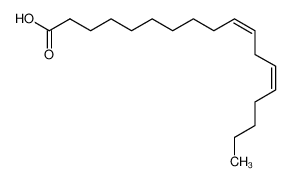
- 5027-60-1
- C18H32O2
- 280.44500
- All (25)
- China (7)
- (25)

- 60-33-3
- C18H32O2
- 280.45
- All (25)
- China (7)
- (25)
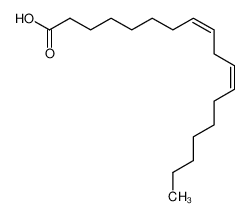
- 4906-90-5
- C18H32O2
- 280.44500
- All (25)
- China (7)
- (25)

- 112-80-1
- C18H34O2
- 282.46
- All (141)
- China (22)
- (141)
- 141903-93-7
- C17H35N
- 253.46600
- All (141)
- China (22)
- (141)
- 67629-40-7
- C30H49ClO3
- 493.16100
- All (38)
- China (12)
- (38)

- 59-02-9
- C29H50O2
- 430.71
- All (38)
- China (12)
- (38)

- 79434-83-6
- C29H50O2
- 430.70600
- All (38)
- China (12)
- (38)

- 2074-53-5
- C29H50O2
- 430.71
- All (38)
- China (12)
- (38)
- 142386-74-1
- C38H67N2O3P
- 630.92400
- All (38)
- China (12)
- (38)
Related Products More >

- CNY Request For Quotation
- CNY Request For Quotation
- CNY Request For Quotation
- 2074-53-5
- CNY 30.0000
- 25kg
- 60-33-3
- USD 30.0000
- 25kg
- 30999-06-5
- Request For Quotation
- 50kg
- 30999-06-5
- Request For Quotation
- 1kg
- 991-84-4
- Request For Quotation


It’s not a one-size-fits-all thing. Some people swear by dabbing a little on as a makeup remover—says it takes off mascara better than wipes. But I’d go easy at first. Try a tiny bit on your cheek, wait a day, and see if your skin freaks out. If it feels good, great. If not, no big loss—you can always use the rest for cooking.
Physiologically, the stratum corneum relies on intercellular lipids (primarily ceramides, cholesterol, and fatty acids) to maintain barrier function. Olive oil’s fatty acid profile partially mimics these lipids, theoretically enhancing barrier integrity by replenishing depleted components. This is particularly relevant for xerotic skin (dry skin), where reduced intercellular lipid content leads to transepidermal water loss (TEWL). Studies show topical olive oil can transiently reduce TEWL by 15–20% in healthy adults, though efficacy varies with skin type.
Chemically, olive oil’s antioxidants—especially vitamin E (α-tocopherol) and polyphenols—scavenge reactive oxygen species (ROS) generated by UV exposure or environmental pollutants. This antioxidative capacity may mitigate oxidative stress, a key driver of skin aging. However, its high oleic acid content (≥60%) presents a dual role: while oleic acid enhances skin penetration, excessive levels can disrupt the stratum corneum’s lipid bilayer, increasing permeability and potentially facilitating irritant penetration—a concern for sensitive skin.
Practically, in dermatology, olive oil is occasionally recommended as an adjunct in managing mild xerosis, particularly in populations with limited access to commercial moisturizers. Conversely, its comedogenic potential (rated 2/5 on the comedogenic scale) makes it less suitable for acne-prone individuals, as its triglyceride content may be hydrolyzed by cutaneous lipases, leading to free fatty acid accumulation and follicular occlusion.
Cross-field implications are notable: in cosmeceuticals, refined olive oil fractions (stripped of allergenic phytosterols) are incorporated into emollients for sensitive skin; in ethnomedicine, Mediterranean cultures have used it for millennia in wound care, a practice now supported by in vitro studies showing antimicrobial activity against Staphylococcus aureus. However, its industrial use is limited by variability in fatty acid composition—unlike synthetic lipids, olive oil’s properties fluctuate with harvest conditions, making standardized formulations challenging.
One defining characteristic of olive oil is its occlusive nature — it forms a barrier over the skin, which can help reduce trans-epidermal water loss (TEWL). For individuals with dry, flaky skin or in arid environments, this can temporarily improve hydration levels. However, this same barrier-forming property can trap sebum, dead skin cells, or bacteria, leading to breakouts in sensitive or acne-prone individuals. It’s not inherently comedogenic in all cases, but its behavior varies with skin type and existing conditions.
The mechanism behind its antioxidant function is more straightforward. Vitamin E (tocopherol), abundant in EVOO, is known to stabilize cell membranes and reduce UV-induced skin damage by inhibiting lipid peroxidation. This makes olive oil a useful after-sun treatment or a carrier oil for other active ingredients. However, its relatively low absorption rate means it sits on the skin longer than lighter oils, making it better suited for nighttime application or for short-contact routines like oil cleansing.
In real-world usage, olive oil is frequently seen in traditional Mediterranean skincare routines — applied directly or mixed with sugar for exfoliation, used as a massage base, or blended into masks. One example is its use in oil cleansing methods, where olive oil binds to excess sebum and oil-based impurities, allowing for a deeper clean when followed by a warm rinse and gentle cleanser. That said, in clinical or professional settings, dermatologists often recommend plant oils with a better balance of linoleic to oleic acid (such as rosehip or sunflower seed oil) for sensitive or acne-prone skin.
Ultimately, olive oil is not universally "good" or "bad" for facial skin — its effectiveness is highly contingent on the individual's skin type, the oil's quality (cold-pressed, unrefined EVOO is best), and how it's integrated into the routine. A patch test and awareness of personal skin responses remain essential before incorporating it regularly.
From a mechanistic standpoint, olive oil’s polyphenols, such as hydroxytyrosol and oleocanthal, confer anti-inflammatory and antioxidant effects by scavenging reactive oxygen species (ROS) and inhibiting pro-inflammatory cytokines like TNF-α. These compounds interact with the NF-κB pathway, modulating oxidative stress responses at a cellular level. Yet, its comedogenic potential (rated 2 on the scale) raises questions for acne-prone skin, as triglycerides may act as substrates for Cutibacterium acnes lipases, releasing pore-clogging free fatty acids. This contrasts with non-comedogenic alternatives like squalane or argan oil, which lack triglyceride-mediated drawbacks.
In clinical settings, olive oil’s occlusive properties are leveraged in emollient formulations for conditions like xerosis or atopic dermatitis. Its ability to form a semi-permeable film reduces evaporative water loss, though it lacks the humectant properties of hyaluronic acid or glycerin. Notably, cold-pressed, extra-virgin variants retain higher phenolic content than refined versions, emphasizing the importance of sourcing in cosmetic applications. Misconceptions arise when conflating culinary-grade olive oil with cosmeceutical-grade preparations, where sterility and fatty acid ratios are tightly controlled to mitigate microbial growth or rancidity.
Engineering principles also come into play when evaluating olive oil’s stability in skincare formulations. Its unsaturated bonds make it prone to peroxidation under UV exposure, necessitating packaging in opaque, airtight containers or stabilization with vitamin E. Comparatively, saturated oils like coconut oil exhibit greater oxidative resistance but lack olive oil’s polyphenolic diversity. For professionals, the key lies in balancing its bioactive advantages with formulation science—avoiding blanket endorsements and instead tailoring use to individual skin typologies and environmental factors.