


 Home
Home
People keep talking about using olive oil for healthier hair, claiming it helps with dryness, shine, and even growth. But how true are these benefits, and what exactly happens when you apply olive oil to your hair? Does it really make a noticeable difference?
What Olive Oil Does for Your Hair?
Related Encyclopedia
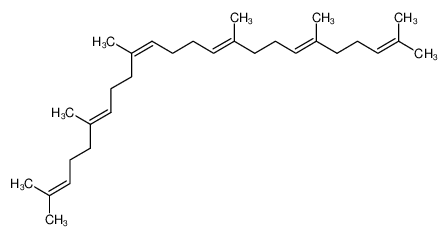
- 24566-13-0
- C30H50
- 410.71800
- All (14)
- China (12)
- (14)

- 111-02-4
- C30H50
- 410.72
- All (14)
- China (12)
- (14)

- 7683-64-9
- C30H50
- 410.72
- All (14)
- China (12)
- (14)
- 121678-32-8
- C30H51Cl
- 447.17900
- All (0)
- China (0)
- (0)
- 136537-77-4
- C29H52N2
- 428.73700
- All (0)
- China (0)
- (0)
- 124870-09-3
- C31H54Si
- 454.84600
- All (0)
- China (0)
- (0)

- 14031-37-9
- C30H52O2
- 444.74
- All (0)
- China (0)
- (0)
- 76540-32-4
- C30H44D6
- 416.75500
- All (0)
- China (0)
- (0)
- 123297-49-4
- C34H66IN2+
- 629.80600
- All (0)
- China (0)
- (0)
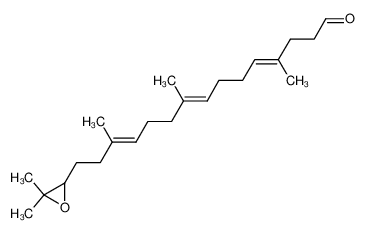
- 118198-28-0
- C22H36O2
- 332.52000
- All (0)
- China (0)
- (0)
Related Products More >

- 60-33-3
- Request For Quotation
- 1kg
- 60-33-3
- Request For Quotation
- 25kg
- 60-33-3
- Request For Quotation
- 25kg
- 60-33-3
- Request For Quotation
- 1ton
- 60-33-3
- Request For Quotation
- 1kg
- 60-33-3
- Request For Quotation
- 1ton
- 60-33-3
- Request For Quotation
- 25kg
- 60-33-3
- Request For Quotation
- 1kg


A big reason olive oil works so well is because of its natural fats. These fats help smooth down the outer layer of your hair (called the cuticle), which means less frizz and more shine. If your hair is dull or gets tangled easily, adding olive oil can make it more manageable. Just a small amount goes a long way—you don’t want your hair looking greasy, just healthier.
Another nice benefit is that olive oil can help soothe a dry, itchy scalp. Massaging it in gently and leaving it on for a bit before washing can feel soothing and may help with flakes or irritation. Plus, it’s a good way to add some self-care to your routine.
It’s not a miracle product, though. Olive oil won’t make your hair grow faster, and if you use too much or don’t rinse it out well, it can weigh your hair down. But as a quick fix for dryness or to give your hair some extra shine and softness, it’s a super easy and affordable option that really does work for a lot of people.
The antioxidants in olive oil, such as vitamin E and polyphenols, protect hair from oxidative stress caused by environmental factors like UV exposure or pollution. These compounds neutralize free radicals, which can weaken keratin structures and lead to breakage. For chemically treated hair, olive oil acts as a buffer, minimizing damage from dyes or relaxers by forming a protective barrier. A practical example is its use in pre-shampoo treatments, where applying olive oil before washing can prevent stripping natural oils, leaving hair softer and more manageable.
Olive oil’s anti-inflammatory properties also address scalp conditions like dandruff or seborrheic dermatitis. The oleocanthal compound, known for its irritation-reducing effects, soothes itchiness and flakiness when massaged into the scalp. This dual action—moisturizing strands while calming the scalp—makes it a versatile solution. In Mediterranean traditions, olive oil is often blended with honey or egg yolks for deep conditioning, showcasing its adaptability in home remedies.
However, its efficacy depends on hair type and application method. Fine or oily hair may require lighter formulations to avoid weighing strands down, while thicker textures benefit from concentrated treatments. Overuse can lead to buildup, so moderation is key. For instance, a weekly warm oil treatment with a few drops of olive oil, followed by a thorough rinse, balances nourishment without residue. Its role in hair care isn’t just anecdotal; studies highlight its ability to improve tensile strength, making it a scientifically backed option for holistic hair health.
Chemically, olive oil is a complex mixture of fatty acids, squalene, sterols, and a variety of phenolic compounds. Oleic acid, the dominant fatty acid in olive oil, has a unique ability to penetrate the hair shaft due to its relatively small molecular size and simple unsaturated structure. This allows olive oil to travel beyond the cuticle layer and into the cortex of the hair strand, a property not shared by all plant oils. Once inside, it alters the lipid composition of the hair's internal environment, helping to reduce water loss by reinforcing the natural lipid barrier.
Beyond oleic acid, minor components like squalene and tocopherols (vitamin E compounds) contribute to the oil’s oxidative stability and impart antioxidant properties. These can reduce oxidative stress on the scalp caused by UV exposure or chemical treatments, potentially lowering the risk of scalp irritation or inflammatory conditions. In high-porosity hair—where the cuticle is damaged and overly porous—olive oil can temporarily fill micro-fissures and improve tensile strength by mechanically coating the fiber, thus reducing breakage from mechanical stressors like brushing or heat styling.
Physically, olive oil is hydrophobic, meaning it repels water. When applied to the surface of the hair, it forms a barrier that slows down the evaporation of moisture. This is particularly beneficial in dry or arid climates where transepidermal water loss from the scalp and hair shaft is elevated. Additionally, its viscosity helps to smooth the cuticle layer, reflecting light more uniformly and thus enhancing perceived shine.
From a physiological perspective, there is some evidence suggesting that topical application of olive oil may influence scalp health. While it does not stimulate hair follicles directly to induce growth, its anti-inflammatory and antifungal properties may support a healthier scalp environment by reducing issues like seborrheic dermatitis or dandruff—both of which can indirectly affect hair growth cycles by contributing to follicular stress.
Industrially, olive oil’s inclusion in hair products ranges from pure oil treatments to emulsified leave-in conditioners, often combined with surfactants and humectants. The challenge in formulation lies in maintaining oil stability without using synthetic preservatives, as the phenolic compounds in olive oil can be sensitive to oxidation when exposed to air and light. Cold-pressed, extra virgin olive oil retains the most bioactive compounds, but this grade is also more volatile in terms of shelf life, hence why refined versions are often used in mass-market haircare products for better formulation control.
Interestingly, olive oil has also found its way into medical dermatology. Clinical-grade formulations have been studied for use in treating conditions like atopic dermatitis or psoriasis due to their ability to improve skin barrier function. Though primarily researched in the context of skin, these findings have crossover relevance in scalp care, as the scalp is simply an extension of the skin with increased follicular density.
In daily life, olive oil’s role as a multifunctional, accessible emollient bridges personal care and wellness. Its use in home remedies—such as warm oil scalp massages or overnight hair masks—reflects not just tradition, but an intuitive understanding of the chemistry behind softness, elasticity, and shine. When applied appropriately and with awareness of hair type and porosity, olive oil provides more than a superficial gloss; it engages at the molecular level, contributing to the structural and aesthetic integrity of the hair.