


 Home
Home
When shopping for olive oil, many people get confused by the options: extra virgin, light, cold-pressed, refined—what’s really the healthiest choice? Do the labels actually matter, or is it all just marketing? If I want the best olive oil for my health, which one should I go for?
Which Olive Oil Is Healthiest and Why?
Related Encyclopedia
- 289030-99-5
- C17H20O5
- 304.33800
- All (1)
- China (0)
- (1)
- 1273095-06-9
- C19H20D6N2O6
- 384.45700
- All (1)
- China (0)
- (1)
- 24909-72-6
- C36H66O3
- 546.91
- All (0)
- China (0)
- (0)

- 112-80-1
- C18H34O2
- 282.46
- All (141)
- China (22)
- (141)
- 141903-93-7
- C17H35N
- 253.46600
- All (141)
- China (22)
- (141)
- 101635-90-9
- C22H42BNO4
- 395.38400
- All (0)
- China (0)
- (0)
- 223487-44-3
- C18H17D17O2
- 300
- All (0)
- China (0)
- (0)
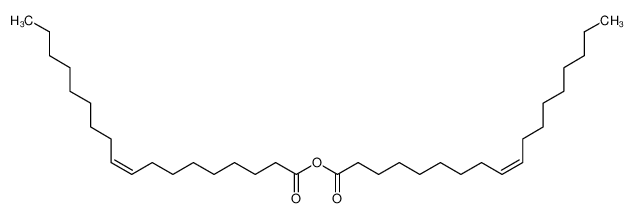
- 6085-36-5
- C36H66O3
- 546.90700
- All (0)
- China (0)
- (0)
- 1241411-17-5
- C30H44O2PSe
- 546.60300
- All (0)
- China (0)
- (0)
![OLEIC ACID-[9,10-3H]](https://chemcloud-1304660855.cos.ap-shanghai.myqcloud.com/compound/c559f7e4610543758edba973fc60c82f.png?imageMogr2/format/webp)
- 636-34-0
- C18H32O2T2
- 286.48000
- All (0)
- China (0)
- (0)
Related Products More >

- 60-33-3
- USD 30.0000
- 25kg
- 60-33-3
- Request For Quotation
- 1kg
- 60-33-3
- Request For Quotation
- 25kg
- 60-33-3
- Request For Quotation
- 25kg
- 60-33-3
- Request For Quotation
- 1ton
- 60-33-3
- Request For Quotation
- 1kg
- 60-33-3
- Request For Quotation
- 1ton
- 60-33-3
- Request For Quotation
- 25kg


People often talk about olive oil being good for your heart, and that’s mainly because of the “good fats” in it—called monounsaturated fats. These fats can help lower bad cholesterol without affecting the good kind. EVOO also has compounds that act like natural anti-inflammatories, kind of like what you'd find in some medicines, but naturally present in the oil.
When you’re picking an olive oil, try to look for bottles labeled “extra virgin,” and ideally ones that mention things like “cold-pressed” or come in dark glass bottles. That helps protect the oil from light and keeps it fresher. The color doesn’t matter as much as how it was made and stored.
Freshness and storage conditions critically influence EVOO’s health benefits. Light and heat degrade polyphenols, so opaque, airtight containers and cool environments are essential. A real-world example is the Mediterranean diet, where EVOO is consumed within months of pressing, maximizing its bioactive potential. In contrast, supermarket shelves often feature oils past their prime, with faded health properties. Lab tests reveal that polyphenol levels in EVOO can drop by 40% after 12 months, even under ideal storage—highlighting why sourcing matters. Small-batch producers, like those in Crete or Tuscany, often provide harvest dates, ensuring potency.
Adulteration dilutes EVOO’s health value. Cheaper oils (e.g., soybean or sunflower) are sometimes blended in, reducing polyphenol concentration. Regulatory loopholes in labeling, such as "packed in Italy" (which doesn’t guarantee Italian olives), mislead consumers. Spectroscopy methods like NMR can detect fraud, but shoppers can opt for certifications like PDO (Protected Designation of Origin) or COOC (California Olive Oil Council) to verify purity. For example, a 2018 UC Davis study found that 50% of imported "extra virgin" oils failed quality tests, emphasizing the need for vigilance.
Practical integration of EVOO into diets amplifies its benefits. Drizzling it raw on salads or vegetables enhances nutrient absorption—fat-soluble vitamins (A, D, E, K) require lipids for bioavailability. Cooking at moderate temperatures (below 410°F) preserves integrity, unlike seed oils prone to oxidation. A Spanish cohort study showed that participants using EVOO for frying had 28% lower cardiovascular mortality than those using refined oils, debunking myths about its heat sensitivity. The key is balancing freshness, authenticity, and application to harness its full health potential.
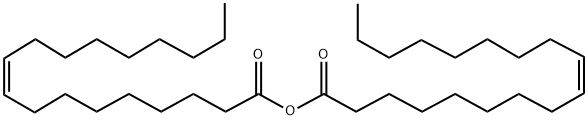
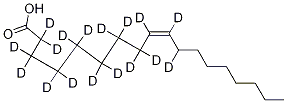
EVOO is obtained from the first cold pressing of the olive fruit, without the use of heat or chemical solvents. This mechanical method preserves a rich array of bioactive compounds that are otherwise lost in refined or lower-grade oils. Chemically, EVOO is characterized by a high content of monounsaturated fatty acids (MUFA), particularly oleic acid, which accounts for 55–83% of its total fat composition. Oleic acid is known for its oxidative stability and role in modulating cholesterol metabolism, influencing cell membrane fluidity, and participating in anti-inflammatory pathways at the cellular level.
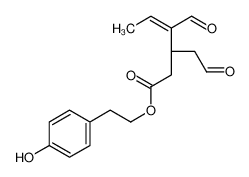
Beyond its lipid content, what truly sets EVOO apart is its diverse spectrum of minor compounds, notably polyphenols, tocopherols (vitamin E), squalene, and oleocanthal. These molecules exhibit potent antioxidant and anti-inflammatory properties. For instance, oleocanthal has been shown to mimic the pharmacological action of ibuprofen by inhibiting cyclooxygenase (COX) enzymes, linking EVOO consumption to reduced risks of chronic inflammatory diseases. Polyphenols like hydroxytyrosol and tyrosol can scavenge free radicals, thereby protecting cells from oxidative stress, a known contributor to aging, cardiovascular disease, and neurodegeneration.
Physiologically, the bioavailability of these compounds in EVOO allows for direct systemic interaction post-ingestion. Studies have demonstrated that daily consumption of EVOO contributes to improved endothelial function, reduced LDL oxidation, and enhanced insulin sensitivity. These effects are not observed to the same extent with refined olive oils, which have undergone high-heat treatment and chemical deacidification, processes that strip away most beneficial micronutrients.
From a physical chemistry standpoint, EVOO’s relatively low peroxide value and high phenolic content grant it superior stability against rancidity and thermal degradation. This means it retains nutritional quality even during moderate-heat cooking, making it both a healthful and practical culinary fat. While commonly misunderstood, EVOO’s smoke point (around 190–210°C) is sufficient for most daily cooking applications, and the oil's oxidative resistance is more important than its smoke point alone in determining safety during heating.
The implications of EVOO extend far beyond the kitchen. In the nutraceutical field, extracts from EVOO are being explored for their role in managing metabolic syndrome and mild cognitive impairment. In dermatology, squalene-rich fractions are incorporated into skin products for their emollient and antioxidant effects. Even in food science and packaging, EVOO is used to study lipid oxidation and preservation mechanisms due to its exemplary stability profile.
Moreover, the health benefits linked to EVOO form the basis of key dietary patterns, particularly the Mediterranean diet, which has been associated with longer lifespan and reduced incidence of major non-communicable diseases. In public health policy, EVOO is increasingly cited in nutritional guidelines not only for its cardioprotective effects but also for its potential to modulate gut microbiota and influence systemic inflammation.
EVOO’s monounsaturated fatty acids (oleic acid, ~70%) have a cis configuration, making cell membranes fluid, aiding nutrient transport. Unlike refined oils, EVOO avoids high-heat/chemical refining that degrades phenols and creates trans fats, which disrupt lipid metabolism.
A common misconception is equating "light" olive oil with health. "Light" refers to flavor, not calories; it’s refined, losing phenols, with lower oxidative stability, forming harmful aldehydes when heated. EVOO’s phenols enhance its smoke point stability, making it suitable for moderate cooking.
EVOO’s health benefits are dose-dependent. Studies link 20–30ml daily to improved endothelial function via nitric oxide production, lowering cardiovascular risk. Thus, EVOO, unrefined and high in phenols, is the healthiest, supported by its chemical structure and processing, distinguishing it from lower-grade oils.