


 Home
Home
There are so many brands and types of extra virgin olive oil out there, all claiming to be the best. But what exactly makes one better than another? Is it about taste, quality, health benefits, or something else? What is the best extra virgin olive oil?
What Is the Best Extra Virgin Olive Oil?
Related Encyclopedia
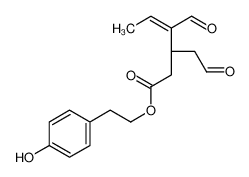
- 289030-99-5
- C17H20O5
- 304.33800
- All (1)
- China (0)
- (1)
- 1273095-06-9
- C19H20D6N2O6
- 384.45700
- All (1)
- China (0)
- (1)
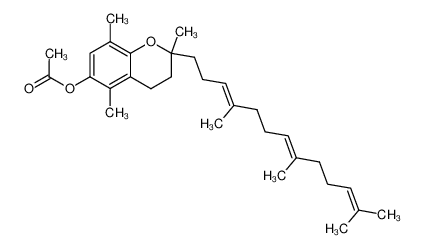
- 106631-19-0
- C30H44O3
- 452.66900
- All (0)
- China (0)
- (0)
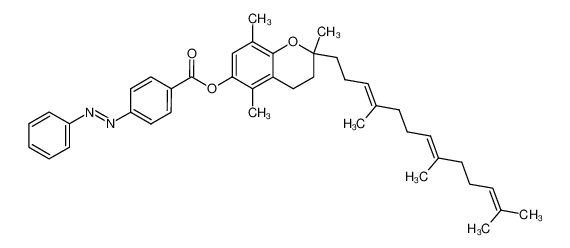
- 106065-22-9
- C41H50N2O3
- 618.84700
- All (0)
- China (0)
- (0)
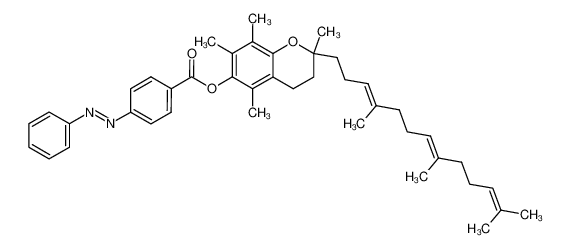
- 106301-55-7
- C42H52N2O3
- 632.87400
- All (0)
- China (0)
- (0)
- 106299-65-4
- C42H50N2O3
- 630.85800
- All (0)
- China (0)
- (0)
Related Products More >

- 5329-14-6
- USD 50.0000
- 25kg
- 991-84-4
- Request For Quotation
- 991-84-4
- Request For Quotation
- 989-51-5
- Request For Quotation
- 96-69-5
- Request For Quotation
- 947-19-3
- Request For Quotation
- 90498-90-1
- Request For Quotation
- 90028-20-9
- Request For Quotation


Good olive oil should have a clean, slightly peppery taste and maybe a bit of bitterness—that’s actually a good sign! That bite comes from natural compounds in the oil that are good for your body. These oils are packed with healthy fats and things like antioxidants that can help protect your heart and fight inflammation, which is why people often say olive oil is healthy.
Also, where the oil is made can give you some clues. Countries like Italy, Spain, and Greece are famous for their olive oils, but what’s more important is how the olives were grown and handled. Some small farms take more care in picking and pressing the olives quickly, which helps keep the oil top quality.
In the end, the “best” olive oil is one that’s fresh, stored in a dark glass bottle, tastes good to you, and fits your budget. You don’t have to spend a fortune—just look for oils that are labeled “extra virgin,” have a harvest date, and come from a trusted source.
Sensory quality, validated by trained panels, requires absence of defects (e.g., fustiness, rancidity) and presence of positive attributes (bitterness, pungency, fruitiness) linked to secoiridoid derivatives. These compounds, particularly oleocanthal, exhibit anti-inflammatory activity analogous to non-steroidal drugs, underscoring EVOO’s role in nutraceutical research.
Misconceptions persist: color (a function of chlorophyll/carotenoid content) does not indicate quality, nor does a "light" taste—often masking low phenolic content. Processing is key: cold pressing (<27°C) preserves thermolabile compounds, unlike heat-extracted oils. Origin matters less than cultivar (e.g., Koroneiki vs. Arbequina) and harvest timing; early-harvest EVOOs typically have higher phenolics but more intense bitterness.
In professional contexts, the best EVOOs meet strict International Olive Council (IOC) standards, with advanced analyses (HPLC for phenolics, GC for fatty acids) verifying purity. Their significance spans food science (functional ingredients), medicine (cardioprotective properties), and agriculture (sustainable cultivation practices), making objective chemical and sensory metrics the ultimate arbiters of quality.
Chemically, EVOO is a complex emulsion rich in monounsaturated fatty acids, particularly oleic acid, which contributes to its oxidative stability and cardiovascular benefits. But beyond fats, it contains a wide array of minor yet highly bioactive compounds: polyphenols like hydroxytyrosol and oleuropein, secoiridoids, tocopherols (forms of vitamin E), and phytosterols. One compound, oleocanthal, is particularly notable for its anti-inflammatory properties—it activates pathways similar to those affected by ibuprofen. This gives EVOO a unique therapeutic potential, bridging the gap between food and medicine in what’s often called a “functional food.”
The physical characteristics of EVOO, such as its density, refractive index, and resistance to oxidation, also matter in industrial applications. Its relative stability under moderate heat (compared to other unrefined oils) allows it to be used in light cooking, although high-heat applications degrade its beneficial compounds. In contrast to refined vegetable oils, which are stripped of natural compounds during processing, EVOO retains a robust matrix of antioxidants and aromatic volatiles that also serve as markers of authenticity and freshness.
From a physiological perspective, EVOO influences lipid metabolism, reduces LDL oxidation, and modulates inflammatory pathways. Long-term consumption is associated with a lower incidence of cardiovascular diseases, metabolic syndrome, and even certain cancers, as documented in large-scale epidemiological studies like the PREDIMED trial. These effects are not merely due to fat quality but stem from the interaction of multiple components acting synergistically in the human body. The polyphenols scavenge free radicals and influence gene expression related to inflammation and cell signaling, while the lipid matrix facilitates the absorption of fat-soluble vitamins.
In broader contexts, EVOO also finds relevance in dermatology and cosmeceuticals. Its emollient properties and antioxidant load make it suitable for skin barrier repair and photoprotection formulations. Moreover, in food science, it plays a central role in emulsification, flavor binding, and as a carrier for fat-soluble bioactives. These functional properties make EVOO more than a culinary staple—it becomes an agent of formulation across health and food sectors.
Geographic origin plays a significant role in quality. Regions like Andalusia in Spain, Crete in Greece, or Tuscany in Italy produce oils with distinct profiles due to soil, climate, and olive varietals. For example, Picual olives from Spain yield oils with high oxidative stability, ideal for cooking, while Coratina from Italy offers intense bitterness and robust polyphenol content. Freshness is equally vital; EVOO degrades over time, so harvest dates within the last 12 months are preferable.
Practical scenarios highlight these principles. In culinary applications, a robust EVOO enhances dishes like bruschetta or salads, where its flavor shines. For high-heat cooking, stability matters—oils with high oleic acid and polyphenol content resist breakdown better than refined oils. Beyond taste, EVOO’s health benefits are tied to its monounsaturated fats and antioxidants, which studies link to cardiovascular protection. Fraud detection is another real-world concern; adulteration with lower-grade oils is common, so certifications like PDO or COOC verification add credibility.
Laboratory tests and sensory panels are tools to verify quality. Peroxide value measures oxidation, while UV absorbance detects degradation. However, the human palate remains irreplaceable—trained tasters identify defects like rancidity or mustiness. For consumers, selecting a reputable producer, checking for dark glass packaging, and avoiding vague labels like "premium" or "light" ensures authenticity. The best EVOO balances science, tradition, and transparency, offering both flavor and functional benefits.