


 Home
Home
Coconut oil has been widely praised for its natural health benefits, and some people say it can treat yeast infections too. With all the home remedies circulating online, it's easy to get confused. Can coconut oil really cure a yeast infection, or is this just another wellness myth?
Can Coconut Oil Cure a Yeast Infection?
Related Encyclopedia
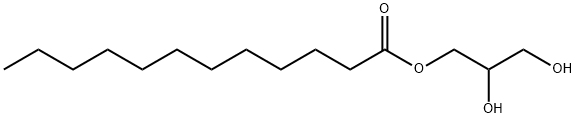
- 142-18-7
- C15H30O4
- 274.4
- All (4)
- China (2)
- (4)

- 645-66-9
- C24H46O3
- 382.62
- All (0)
- China (0)
- (0)
- 55621-34-6
- C32H62O7
- 558.83000
- All (84)
- China (21)
- (84)

- 143-07-7
- C12H24O2
- 200.32
- All (84)
- China (21)
- (84)
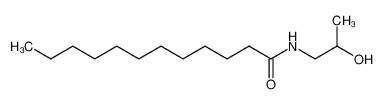
- 142-54-1
- C15H31NO2
- 257.41200
- All (0)
- China (0)
- (0)
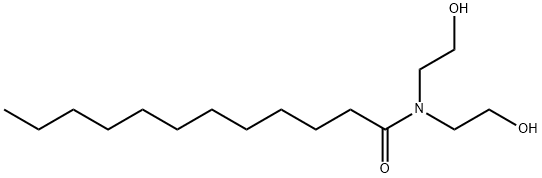
- 120-40-1
- C16H33NO3
- 287.44
- All (3)
- China (2)
- (3)

- 142-78-9
- C14H29NO2
- 243.39
- All (2)
- China (2)
- (2)
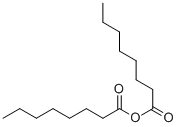
- 623-66-5
- C16H30O3
- 270.41
- All (0)
- China (0)
- (0)
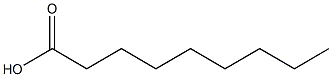
- 68937-75-7
- C9H18O2
- 158.23802
- All (0)
- China (0)
- (0)
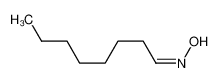
- 929-55-5
- C8H17NO
- 143.22700
- All (0)
- China (0)
- (0)
Related Products More >

- CNY Request For Quotation
- CNY Request For Quotation
- CNY Request For Quotation
- CNY Request For Quotation
- CNY Request For Quotation
- 55589-62-3
- CNY 9.0000
- 25kg
- 26048-69-1
- CNY 5.0000
- 25kg
- 91845-21-5
- Request For Quotation


In everyday use, some folks apply a thin layer of virgin coconut oil to the affected area or mix it with other natural ingredients like tea tree oil. It’s said to work best for external yeast infections or very mild internal cases. The cooling, moisturizing feel also helps calm the skin, which can be a relief when you’re dealing with discomfort.
But it's important to be realistic — while coconut oil might help reduce some symptoms, it’s not a guaranteed cure. Yeast infections are caused by an overgrowth of a fungus, and sometimes they need more targeted treatments like antifungal creams or oral meds from the doctor. If the infection is severe, keeps coming back, or spreads, coconut oil probably won’t be enough on its own.
The antifungal potential of coconut oil largely stems from lauric acid and its monoglyceride derivative, monolaurin. These molecules disrupt lipid membranes, compromising the integrity of microbial cell walls. In vitro studies have demonstrated that coconut oil exhibits moderate inhibitory effects on the growth of Candida species. The mechanism involves disrupting the fungal cell membrane's structure, increasing permeability, and ultimately leading to cell lysis. Caprylic acid, another key component, interferes with the pH environment of the fungus, creating conditions less favorable for growth and reproduction.
Despite these promising laboratory results, the jump from petri dish to real-world treatment is not straightforward. The skin and mucosal tissues present complex environments with variables such as host immunity, microbial flora balance, and the physical barriers of epithelial cells. While topical application of coconut oil might reduce localized symptoms—itching, redness, and irritation—especially in mild or superficial infections, it lacks the bioavailability and systemic reach required to eradicate entrenched or recurring infections.
From a physiological perspective, applying coconut oil to affected areas may create a mildly occlusive barrier, which retains moisture and offers temporary relief. However, yeast thrives in warm, moist environments. Therefore, if used excessively or without proper hygiene, coconut oil might paradoxically contribute to conditions that favor fungal persistence. Moreover, in intravaginal use, unregulated or excessive application could disrupt the natural pH and microbiome of the vaginal canal, leading to further imbalance.
In medical practice, antifungal agents such as clotrimazole or fluconazole remain the standard of care due to their targeted action, dosage predictability, and regulatory approval. Coconut oil, by contrast, does not have standardized concentrations of active components across different batches or brands, making consistent therapeutic use unreliable. Additionally, no high-quality clinical trials currently support its use as a first-line or sole treatment for yeast infections.
Beyond medicine, coconut oil’s antifungal profile has relevance in other fields. In the food industry, it acts as a natural preservative in some organic products due to its ability to slow microbial spoilage. In cosmetics and skincare, its soothing properties are valued in formulations aimed at sensitive or compromised skin. Its use in managing minor fungal skin conditions like athlete’s foot or diaper rash is increasingly common in integrative and holistic care, though often in conjunction with other treatments.
Clinical relevance, however, is limited. While anecdotal reports and small-scale studies suggest topical application may alleviate symptoms like itching or burning in vulvovaginal candidiasis, controlled trials are scarce. Unlike prescription antifungals (e.g., azoles) that target specific fungal enzymes (e.g., lanosterol 14α-demethylase), coconut oil’s action is broader, potentially affecting both pathogenic and commensal microbes, which may disrupt vaginal flora balance.
A critical misconception is equating in vitro efficacy to clinical cure. Candida infections, especially recurrent ones, involve biofilm formation—structured microbial communities resistant to antimicrobials. Coconut oil’s ability to penetrate biofilms is understudied, making it unreliable for eradicating established infections. Additionally, systemic absorption of MCFAs via topical use is minimal, limiting efficacy against invasive candidiasis.
In professional contexts, coconut oil is not recognized as a first-line treatment. Dermatological and gynecological guidelines prioritize evidence-based agents, emphasizing that while coconut oil may offer symptomatic relief due to its emollient properties, it cannot replace antifungal medications for curing yeast infections. Its role remains adjunctive, with further research needed to define its therapeutic scope.
The oil’s viscosity and moisturizing properties can also provide symptomatic relief by reducing itching and irritation, common complaints during yeast infections. However, its use as a standalone treatment is debated. While some individuals report success with topical application or even oral consumption, clinical evidence remains limited. A 2007 study found that coconut oil was effective against Candida in vitro, but human trials are scarce, leaving gaps in understanding its practical efficacy. For mild cases, it might serve as a complementary measure, but severe or recurrent infections typically require conventional antifungals like fluconazole or clotrimazole.
Practical scenarios highlight its role in prevention rather than cure. For example, incorporating coconut oil into a diet or skincare routine may help maintain a balanced microbiome, reducing the likelihood of fungal overgrowth. Its antimicrobial effects extend beyond Candida, offering broad-spectrum protection against other pathogens. Yet, misuse—such as applying it inappropriately or neglecting hygiene—can worsen symptoms or lead to secondary infections. Those considering coconut oil should opt for virgin, unrefined varieties to avoid additives that might irritate sensitive tissues.
The appeal of coconut oil lies in its accessibility and minimal side effects compared to prescription drugs. However, relying solely on it without medical guidance risks prolonging the infection. A balanced approach—combining coconut oil with proper hygiene and medical advice when needed—may offer the best outcomes. While it’s not a miracle cure, its properties make it a noteworthy option in the broader context of natural antifungal strategies.