


 Home
Home
Hello, I'd like to ask about "comparing citric acid and ascorbic acid". First, could you give me the answer and explain why? Also, what are the specific differences between citric acid and ascorbic acid in terms of their chemical structures and properties? From the perspective of human absorption and metabolism, what are the different characteristics and effects of citric acid and ascorbic acid?
Comparing Citric Acid and Ascorbic Acid: Chemical Structure, Properties, and Metabolic Impact
Related Encyclopedia
- 1348091-16-6
- C7H10O7
- 206.15000
- All (893)
- China (66)
- (893)
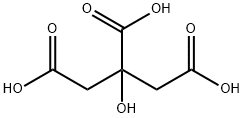
- 77-92-9
- C6H8O7
- 192.12
- All (893)
- China (66)
- (893)
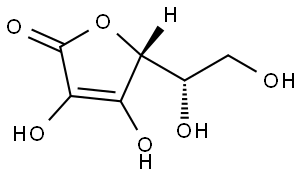
- 50-81-7
- C6H8O6
- 176.12
- All (105)
- China (2)
- (105)
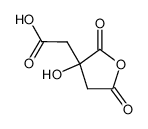
- 24555-16-6
- C6H6O6
- 174.10800
- All (0)
- China (0)
- (0)
- 334886-99-6
- C10H12O8
- 260.19700
- All (0)
- China (0)
- (0)
- 85698-65-3
- C6H5Cl3O4
- 247.46000
- All (0)
- China (0)
- (0)
- 1177936-31-0
- C6H10O8
- 210.13900
- All (185)
- China (5)
- (185)
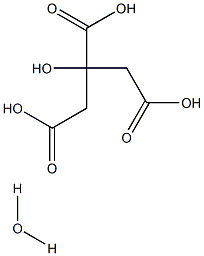
- 5949-29-1
- C6H10O8
- 210.1388
- All (185)
- China (5)
- (185)
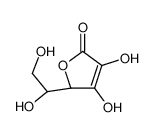
- 10504-35-5
- C6H8O6
- 176.12400
- All (0)
- China (0)
- (0)
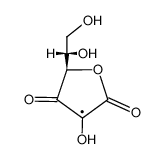
- 1141863-91-3
- C6H7O6
- 175.11600
- All (0)
- China (0)
- (0)
Related Products More >

- CNY Request For Quotation
- CNY Request For Quotation
- CNY Request For Quotation
- CNY Request For Quotation
- CNY Request For Quotation
- CNY Request For Quotation
- CNY Request For Quotation
- CNY Request For Quotation


Reason:
Citric acid and ascorbic acid are both important organic acids, but their roles in chemistry and human health differ significantly. Understanding their structural differences and metabolic impacts helps clarify their distinct applications and benefits.
Chemical Structure and Properties:
Citric Acid:
Structure: A tricarboxylic acid with three carboxyl (–COOH) groups and one hydroxyl (–OH) group.
Properties: Weak acidity, high solubility, and strong metal-chelating ability.
Ascorbic Acid:
Structure: A lactone with one carboxyl (–COOH) group and multiple hydroxyl (–OH) groups, forming a ring structure.
Properties: Weak acidity, antioxidant activity, and sensitivity to heat and light.
Metabolic Differences and Impacts:
Citric Acid:
Role: Primarily involved in the citric acid cycle (Krebs cycle), a key part of cellular energy production.
Absorption: Metabolized in the body without providing direct nutritional benefits.
Impact: Supports energy metabolism but is not essential for human health.
Ascorbic Acid:
Role: Acts as a vital antioxidant and cofactor in enzymatic reactions, supporting immune function and collagen synthesis.
Absorption: Absorbed in the small intestine and distributed throughout the body.
Impact: Essential for preventing scurvy, promoting wound healing, and enhancing iron absorption.
In practical applications, citric acid finds extensive use in food and beverage industries as a flavor enhancer and preservative. It prevents browning in cut fruits and vegetables by inhibiting enzymatic reactions. In household cleaning, it effectively removes limescale and soap scum due to its ability to soften water. On the contrary, ascorbic acid is extensively used in dietary supplements and skincare products for its antioxidant benefits. It promotes collagen production, protects the skin from sun damage, and reduces hyperpigmentation when applied topically.
When comparing their usage considerations, citric acid should be handled with care in concentrated forms as it can cause irritation or burns. In skincare, it’s important to start with low concentrations to avoid skin sensitivity. For ascorbic acid, especially in skincare formulations, stability is a major concern since it degrades quickly when exposed to air and light. Products containing ascorbic acid must be stored properly in dark, airtight containers to maintain efficacy. Moreover, excessive intake of ascorbic acid supplements can lead to gastrointestinal discomfort, making it essential to adhere to recommended dosages. By understanding these differences and considerations, one can better utilize both citric acid and ascorbic acid across various applications, maximizing their benefits while minimizing potential risks.