


 Home
Home
what chemical makes you happy?
what chemical makes you happy?
Related Encyclopedia
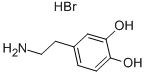
- 645-31-8
- C8H12BrNO2
- 234.09
- All (9)
- China (2)
- (9)
- 1220710-22-4
- C11H15NO2
- 193.24200
- All (0)
- China (0)
- (0)
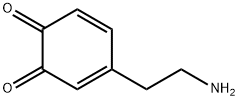
- 50673-96-6
- C8H9NO2
- 151.16
- All (0)
- China (0)
- (0)
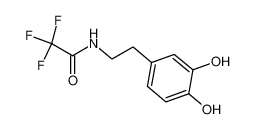
- 65846-04-0
- C10H10F3NO3
- 249.18700
- All (0)
- China (0)
- (0)
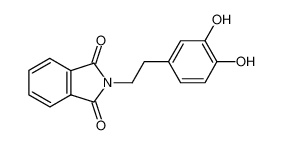
- 57894-18-5
- C16H13NO4
- 283.27900
- All (0)
- China (0)
- (0)
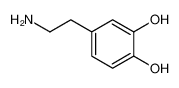
- 51079-99-3
- C8H11NO2+
- 154.18600
- All (0)
- China (0)
- (0)
- 1251958-94-7
- C26H21NO4
- 411.44900
- All (0)
- China (0)
- (0)
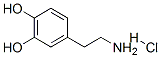
- 62-31-7
- C8H12ClNO2
- 189.64
- All (23)
- China (20)
- (23)
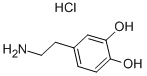
- 335081-04-4
- C8H12ClNO2
- 189.64
- All (23)
- China (20)
- (23)
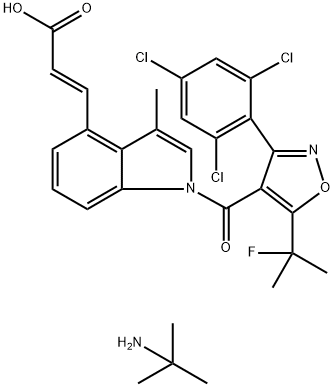
- 1898207-64-1
- C29H29Cl3FN3O4
- 608.92
- All (0)
- China (0)
- (0)
Related Products More >

- Request For Quotation
- 1310-73-2
- Request For Quotation
- 108-80-5
- USD 50.0000
- 50kg
- 108-78-1
- USD 4.5000
- 25kg
- 4559-86-8
- USD 750.0000
- 170kg


Dopamine – Often called the "feel-good" neurotransmitter, dopamine is linked to the brain's reward system, pleasure, motivation, and satisfaction.
Serotonin – This neurotransmitter helps regulate mood, sleep, and appetite. High levels of serotonin are associated with feelings of happiness and emotional well-being.
Endorphins – These are natural painkillers produced by the body that also promote feelings of pleasure and reduce stress, often released during physical activity or laughter.
Oxytocin – Known as the "love hormone," oxytocin is released during social bonding, physical touch, or positive interactions, promoting happiness and connection.
Dopamine: This neurotransmitter is associated with pleasure and reward-motivated behavior. It's released when you experience something pleasurable like eating delicious food, achieving a goal, or during activities like exercise. Dopamine not only gives you a sense of satisfaction but also motivates you to repeat rewarding behaviors.
Serotonin: Serotonin affects mood, appetite, and sleep. It's often linked to feelings of calmness and happiness. Low levels of serotonin are associated with depression. Serotonin is increased through activities such as sunlight exposure, exercise, and a balanced diet rich in tryptophan, an amino acid that helps in serotonin production.
Endorphins: These are the body's natural painkillers and stress relievers. They interact with the brain's receptors to reduce the perception of pain and produce feelings of euphoria. Activities like running, laughing, and eating spicy food can trigger endorphin release, which is why they're sometimes called "runner's high" or "laughing gas."
Oxytocin: Known as the "love hormone," oxytocin is released during social bonding activities such as hugging, kissing, and sex. It promotes trust, reduces stress, and enhances feelings of attachment and well-being. Oxytocin can also be increased through acts of kindness and social interactions.
Increasing these chemicals naturally through activities like exercise, socializing, getting enough sunlight, eating a balanced diet, and practicing mindfulness can contribute to an overall sense of happiness and well-being.
Dopamine: Often referred to as the "reward molecule," dopamine is released during pleasurable activities such as eating, exercising, and experiencing joy. It plays a crucial role in the brain's reward system, contributing to feelings of happiness and motivation .
Serotonin: Known as the "mood stabilizer," serotonin helps regulate emotions, reduce stress, and promote feelings of calmness and happiness. Activities like meditation, spending time in nature, and engaging in social interactions can increase serotonin levels .
Endorphins: These are natural painkillers that are released in response to physical activity, laughter, or emotional experiences. They create a sense of euphoria and well-being, often referred to as a "runner's high" or "laughing high"
.
Oxytocin: Often called the "love hormone," oxytocin is involved in social bonding and attachment. It is released during activities like hugging, intimate relationships, and social interactions, contributing to feelings of trust and happiness .
Additionally, other chemicals like GABA (gamma-aminobutyric acid), which reduces anxiety, and phenylethylamine (PEA), which gives a feeling of excitement similar to romantic love, also play roles in influencing happiness .
It's important to note that happiness is not solely determined by these chemicals; it is a complex interplay of multiple factors, including genetics, environment, and personal experiences
.