


 Home
Home
Hello, I'd like to ask a few questions:
Is peppermint essential oil safe for dogs? Could you explain and suggest a catchy question-style title that includes the keyword? Also, which essential oils are toxic to pets?
How can I safely use essential oils in a home with dogs?
Is lavender essential oil more suitable for a pet environment than peppermint essential oil?
Peppermint Oil & Dogs: A Deadly Combo? Here’s What Vets Won’t Tell You!
Related Encyclopedia
- 8006-90-4
- 0
- All (39)
- China (10)
- (39)
- 78-70-6
- C10H18O
- 154.25
- All (21)
- China (1)
- (21)
- 126-91-0
- C10H18O
- 154.25
- All (5)
- China (2)
- (5)
- 1214906-07-6
- C10H20O
- 156.26500
- All (28)
- China (25)
- (28)

- 15356-70-4
- C10H20O
- 156.27
- All (25)
- China (10)
- (25)
- 1181819-05-5
- C10H20O
- 156.26500
- All (25)
- China (10)
- (25)
- 566916-97-0
- C17H23NO4
- 305.36900
- All (25)
- China (10)
- (25)
- 15356-60-2
- C10H20O
- 156.27
- All (6)
- China (2)
- (6)
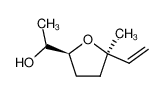
- 104188-13-8
- C9H16O2
- 156.22200
- All (0)
- China (0)
- (0)
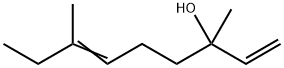
- 10339-55-6
- C11H20O
- 168.28
- All (2)
- China (2)
- (2)
Related Products More >

- CNY Request For Quotation
- CNY Request For Quotation
- CNY Request For Quotation
- CNY Request For Quotation
- CNY Request For Quotation
- CNY Request For Quotation
- 89-78-1
- USD 285.0000
- 25kg
- 89-78-1
- Request For Quotation
- 25kg/Cardboard Drum


Why Peppermint Oil Is Dangerous for Dogs
Toxicity:
Menthol irritates airways, leading to coughing or breathing difficulties.
Pulegone (in some mint oils) is hepatotoxic (liver-damaging).
Symptoms of Poisoning:
Vomiting, drooling, tremors, or lethargy within 30 mins–2 hours.
Risk Level:
Topical/Inhalation: High risk (even diffused oils can harm).
Ingestion: Potentially fatal (avoid entirely).
Which Essential Oils Are Toxic to Pets?
Oil Toxic Compound Danger Level
Tea Tree Terpenes High (CNS depression)
Citrus (Lemon/Orange) Limonene Moderate (Skin irritation)
Cinnamon Cinnamaldehyde High (Mucosal burns)
Pine Alpha-Pinene Moderate (Liver stress)
Rule: Avoid all essential oils for cats (lack liver enzymes to metabolize).
How to Safely Use Essential Oils in Dog Households?
Pet-Safe Alternatives:
Lavender (diluted to 0.25% = 1 drop per 4 tsp carrier oil).
Chamomile (gentle for anxiety).
Diffuser Precautions:
Run for 10 mins max, in well-ventilated rooms.
Keep dogs out of the room during/after use.
Emergency Plan:
Pet Poison Helpline: +1 (855) 764-7661.
Never Apply Directly: Even "safe" oils must be heavily diluted and tested on a small skin patch first.
Is Lavender Oil Safer Than Peppermint for Pets?
Yes, with caution:
Lavender is low-toxicity if diluted (<0.5%) but can still cause mild GI upset.
Peppermint is always unsafe due to menthol.
Best Practice:
Use hydrosols (e.g., lavender floral water) instead of essential oils.
Vet Warning: No oil is 100% safe—consult a vet before use.
Which essential oils are toxic to pets?
Phenol-rich oils: Tea tree (melaleuca), thyme, oregano—contain compounds like carvacrol that damage liver cells.
Monoterpene-heavy oils: Pine, eucalyptus (1,8-cineole), wintergreen—can cause vomiting, seizures, or respiratory distress.
Citrus oils: Lemon, orange—d-limonene may irritate mucous membranes and skin.
How to use essential oils safely around dogs?
Avoid direct application: Never apply undiluted oils; if diluting, use <0.5% concentration (1 drop oil + 2 tsp carrier oil).
Opt for diffusion precautions: Use a low-heat diffuser in well-ventilated areas, limit sessions to 30 minutes, and keep dogs out of the room during use.
Choose pet-safe oils: Diluted chamomile or lavender (low linalool content) may be safer, but consult a veterinarian first.
Is lavender oil safer for pets than peppermint?
Yes. Lavender oil contains linalool and linalyl acetate, which have lower toxicity profiles than menthol. While high doses can still cause mild GI upset, lavender is less likely to induce central nervous system depression. However, individual sensitivities vary—always patch-test diluted oil on a small area of your dog’s skin and monitor for reactions.
However, there are safe ways to utilize the refreshing qualities of peppermint around pets under certain circumstances. For example, a very small amount of peppermint oil diluted heavily with water and sprayed in non-pet areas may help repel pests like mice without posing direct harm to dogs, given that dogs do not ingest or come into prolonged skin contact with the substance. Key considerations include ensuring proper dilution ratios, avoiding direct application to pets, and monitoring pets for any signs of discomfort or allergic reactions when using peppermint oil in the household. Always consult a veterinarian before introducing any essential oils into an environment shared with pets.
This summary addresses the safety concerns regarding peppermint essential oil use around dogs, outlines potential risks, and suggests precautionary measures and safe applications.