


 Home
Home
Hello, I'd like to ask a few questions:
Is olive oil a pure substance or a mixture? Could you explain and suggest a catchy question-style title that includes the keyword? Also, what are the main chemical components in olive oil?
Why is olive oil said to be a complex mixture?
How does the refining process change the composition of olive oil?
Hello, I'd like to ask a few questions: Is olive oil a pure substance or a mixture? Could you explain and suggest a catchy question-style title that includes the keyword? Also, what are the main chemical components in olive oil? Why is olive oil said to be a complex mixture? How does the refining process change the composition of olive oil?
Related Encyclopedia
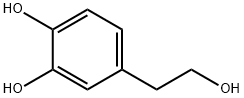
- 10597-60-1
- C8H10O3
- 154.16
- All (25)
- China (21)
- (25)

- 112-80-1
- C18H34O2
- 282.46
- All (141)
- China (22)
- (141)
- 141903-93-7
- C17H35N
- 253.46600
- All (141)
- China (22)
- (141)
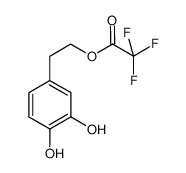
- 1056355-55-5
- C10H9F3O4
- 250.17100
- All (0)
- China (0)
- (0)
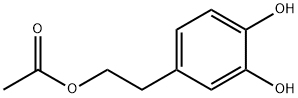
- 69039-02-7
- C10H12O4
- 196.2
- All (0)
- China (0)
- (0)
- 1345866-03-6
- C26H42O4
- 418.60900
- All (0)
- China (0)
- (0)
- 205241-38-9
- C16H24O4
- 280.35900
- All (0)
- China (0)
- (0)
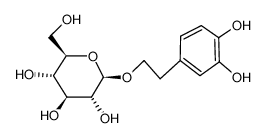
- 76873-99-9
- C14H20O8
- 316.30400
- All (0)
- China (0)
- (0)
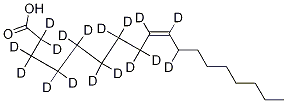
- 223487-44-3
- C18H17D17O2
- 300
- All (0)
- China (0)
- (0)
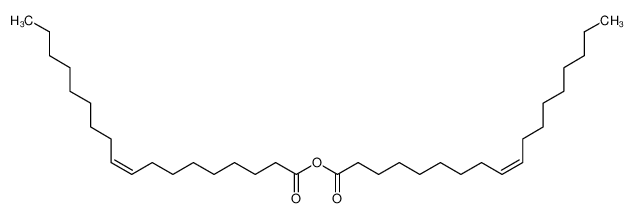
- 6085-36-5
- C36H66O3
- 546.90700
- All (0)
- China (0)
- (0)
Related Products More >

- 60-33-3
- USD 30.0000
- 25kg
- 93-83-4
- Request For Quotation
- 25kg/drum
- 93-83-4
- Request For Quotation
- Bottle,barrel,cargo,container,etc.
- 93-83-4
- Request For Quotation
- 93-83-4
- Request For Quotation
- 8051-88-5
- Request For Quotation
- 8051-88-5
- Request For Quotation
- 60-33-3
- Request For Quotation
- 1kg/bag;25kg/Cardboard Drum


Why Olive Oil Is a Mixture
Multiple Components:
Contains triglycerides (fats), polyphenols, vitamins, and volatile compounds.
Natural Variability:
Chemical ratios differ by harvest time, soil, and extraction method.
No Fixed Formula:
Unlike pure substances (e.g., water), olive oil’s makeup fluctuates.
Key Chemical Components of Olive Oil
Compound Type Examples Role
Triglycerides Oleic acid, linoleic acid Main energy source (98% of oil).
Polyphenols Hydroxytyrosol, oleocanthal Antioxidants; reduce inflammation.
Volatiles Hexanal, (E)-2-hexenal Aroma (grassy, fruity notes).
Note: Extra virgin olive oil (EVOO) retains all components; refined oil loses polyphenols/volatiles.
Why Olive Oil Is a Complex Mixture
Hundreds of Compounds:
Over 230 chemicals identified, including sterols (e.g., β-sitosterol) and pigments (chlorophyll).
Dynamic Interactions:
Polyphenols degrade over time; fats oxidize under heat/light.
Non-Uniformity:
EVOO from Spain vs. Italy may have different polyphenol levels.
Example: Oleocanthal (anti-inflammatory) varies 10x between oils (Journal of Food Science).
How Refining Alters Olive Oil’s Composition
Neutralization:
Removes free fatty acids (lowers acidity).
Bleaching:
Strips chlorophyll/pigments (lightens color).
Deodorization:
Steam removes volatiles (eliminates aroma/flavor).
Result: Refined oil is pure fat (no polyphenols), while EVOO is chemically diverse.
What are the main chemical components of olive oil?
Triglycerides: Comprise 98–99% of olive oil, formed by glycerol bonded to fatty acids like oleic acid (73%), linoleic acid (9%), and palmitic acid (14%).
Minor components: Include polyphenols (e.g., hydroxytyrosol), tocopherols (vitamin E), phytosterols, and carotenoids, which contribute to its health benefits and flavor.
Free fatty acids: Typically <0.8% in extra virgin olive oil, increasing with degradation or refining.
Why is olive oil considered a complex mixture?
Its complexity arises from:
Natural variation: Olive (cultivars), ripeness, and growing conditions alter fatty acid ratios and polyphenol profiles.
Diverse compound classes: Beyond triglycerides, it contains hundreds of minor compounds (e.g., aldehydes, alcohols) that affect stability and sensory traits.
Processing impacts: Extraction methods (cold-pressing vs. refining) modify component concentrations, such as reducing polyphenols during refining.
How does refining alter olive oil’s composition?
Refining involves:
Degumming: Removes phospholipids.
Neutralization: Reduces free fatty acids with alkali.
Bleaching/deodorization: Eliminates pigments and volatile compounds.
This process:
Lowers polyphenols (e.g., hydroxytyrosol) by 80–90%.
Increases smoke point but reduces antioxidant activity.
Removes natural flavors, making refined oil more neutral.
The complexity of olive oil's composition contributes to its versatility in both culinary and non-culinary applications. In cooking, olive oil is valued for its distinct flavor and health benefits. For example, extra virgin olive oil, with its high antioxidant content and low acidity, is often used in salad dressings or as a finishing oil to drizzle over dishes just before serving. Its rich profile of monounsaturated fats makes it a healthier option compared to many other cooking oils.
Beyond the kitchen, olive oil finds use in skincare for its moisturizing properties. It can be applied directly to the skin or included in homemade skincare products like masks and scrubs. However, individuals with oily or acne-prone skin should proceed with caution due to olive oil’s comedogenic potential, meaning it could clog pores in some people.
Understanding that olive oil is a mixture highlights its diverse chemical makeup, influencing how it behaves under different conditions. Key considerations include proper storage to protect against light and heat, which can degrade its quality, and choosing the right type of olive oil based on intended use to maximize its benefits. This summary underscores the multifaceted nature of olive oil, emphasizing its role as a versatile ingredient in daily life.