


 Home
Home
Can You Please Explain? What Exactly Is Cadmium and What Are Its Mysterious Cadmium Properties? Also, I'm Dying to Know the Wide - Ranging Cadmium Uses. I know it's a heavy metal, but I'm not sure how it behaves chemically and why it's such a big deal in environmental studies. Is it used in common products? And how does it end up in our environment?
Can You Please Explain? What Exactly Is Cadmium and What Are Its Mysterious Cadmium Properties? Also, I'm Dying to Know the Wide - Ranging Cadmium Uses
Related Encyclopedia
- 53809-79-3
- Cd3
- 337.23300
- All (3)
- China (3)
- (3)

- 30905-38-5
- Cd
- 105.90600
- All (0)
- China (0)
- (0)
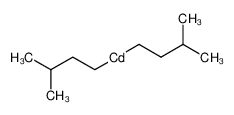
- 35061-27-9
- C10H22Cd
- 254.69300
- All (0)
- China (0)
- (0)
- 29736-89-8
- CdH6O3
- 166.45700
- All (0)
- China (0)
- (0)
- 106603-47-8
- Bi3Cd4
- 1076.59000
- All (0)
- China (0)
- (0)
- 141217-22-3
- C2H6Cd
- 142.48000
- All (0)
- China (0)
- (0)
- 143752-03-8
- Cd3Hg
- 537.82300
- All (0)
- China (0)
- (0)
- 174539-64-1
- CdH2OPb
- 337.62600
- All (0)
- China (0)
- (0)
- 72172-64-6
- CdH2
- 114.42700
- All (0)
- China (0)
- (0)
- 72638-83-6
- AlCdFeH5KO5S+++++++
- 351.43800
- All (0)
- China (0)
- (0)
Related Products More >

- 7440-43-9
- Request For Quotation
- 1kg
- 89759-80-8
- Request For Quotation
- 89759-80-8
- Request For Quotation
- 865-38-3
- Request For Quotation
- 814-88-0
- Request For Quotation
- 814-88-0
- Request For Quotation
- 814-88-0
- Request For Quotation
- 7790-81-0
- Request For Quotation
- bag


Let's start with its properties. Cadmium is a soft, bluish - white metal. It's malleable, which means you can shape it easily, and it's also a good conductor of electricity. Chemically, it's reactive. It can form compounds with other elements like oxygen, chlorine, and sulfur. For example, cadmium oxide is one of its common compounds.
Now, onto its uses. You'd be surprised how many places cadmium shows up. In the past, it was widely used in batteries, especially nickel - cadmium batteries. These were popular in portable electronics before lithium - ion batteries came along. It's also used in pigments. Cadmium - based pigments can give really bright, vivid colors, so they were used in paints, plastics, and even some art supplies. Another use is in electroplating. When you electroplate other metals with cadmium, it can protect them from corrosion.
But here's why it's a big deal in environmental studies. Cadmium is toxic. When it gets into the environment, it can cause a lot of problems. It can contaminate soil and water. If plants absorb cadmium from the soil, and then we eat those plants, it can enter our bodies. In humans, long - term exposure to cadmium can lead to kidney damage, bone problems, and it's even linked to cancer. It gets into the environment mainly from industrial activities. Mining and smelting operations can release cadmium into the air, water, and soil. And when old products with cadmium in them, like batteries, aren't disposed of properly, they can also release this harmful metal. So, while cadmium has some useful applications, we really need to be careful about how we use and handle it.
One of the key properties of cadmium is its resistance to corrosion, which makes it super useful in coatings and plating. It’s also a good conductor of electricity, which is why it’s been used in batteries, especially **nickel-cadmium (NiCd) batteries**. But here’s the thing: cadmium is toxic, even in small amounts. It can accumulate in the body over time, damaging the kidneys, bones, and lungs, which is why it’s such a big deal in environmental studies.
As for its uses, cadmium has been used in a lot of everyday products. Besides batteries, it’s been used in pigments for paints, plastics, and ceramics (think bright yellows and reds). It’s also been used in solar panels, alloys, and even as a stabilizer in PVC plastics. However, because of its toxicity, many of these uses are being phased out or heavily regulated.
So, how does cadmium end up in our environment? Mostly through industrial processes. Mining, smelting, and waste incineration can release cadmium into the air, water, and soil. It can also leach out of landfills where cadmium-containing products are dumped. From there, it can get into the food chain—like through crops grown in contaminated soil or fish living in polluted water.
In short, cadmium is a useful but dangerous metal. Its chemical properties make it valuable in industry, but its toxicity makes it a major environmental and health concern. That’s why there’s so much focus on reducing its use and cleaning up contamination. It’s a classic case of a material that’s both helpful and harmful!
So, what is cadmium? As you already know, it's a heavy metal. It has a shiny appearance when it's in its pure form, but it's usually found in nature combined with other elements in minerals.
Let's talk about its properties. Cadmium has a relatively low melting point for a metal. This makes it useful in certain manufacturing processes where you need a material that can be easily melted and shaped. It's also resistant to corrosion to some extent, which is why it's used in coatings for other metals. Chemically, it can form stable compounds. For example, cadmium sulfide is a well - known compound that's used in the semiconductor industry.
Now, the uses of cadmium are quite diverse. You might find it in some solar panels. Cadmium - telluride solar cells are one type of photovoltaic technology that's being explored for renewable energy generation. In the past, it was also used in the production of television screens to create bright colors. And as I mentioned before, it was a key component in nickel - cadmium rechargeable batteries.
But, here's the catch. Cadmium is highly toxic. That's why it's a major topic in environmental studies. It can enter the environment through various ways. Industrial waste from factories that produce batteries, metal smelting plants, and even some electronic waste recycling facilities can release cadmium. Once it's in the environment, it can accumulate in the soil. This affects plants, which can then pass the cadmium on to animals and humans through the food chain. In water, it can contaminate drinking water sources and harm aquatic life.
In terms of common products, although the use of cadmium is being phased out in many consumer goods due to its toxicity, you might still find it in some older electronics, certain types of jewelry with cheap metal alloys, and some industrial - grade tools. So, it's important to be aware of cadmium's presence and handle products that might contain it with care.
要是你对镉在某一特定领域的应用或者它的毒性原理感兴趣,欢迎随时告诉我,我可以进一步展开。