


 Home
Home
Hello, I'd like to ask a few questions:
Is avocado oil healthier than olive oil? Could you explain and suggest a catchy question-style title that includes the keyword? Also, how do the smoke points of avocado oil and olive oil compare, and how does that affect their health benefits?
What are the differences in essential fatty acid content between avocado oil and olive oil?
For different cooking methods, which oil is healthier to use?
Avocado Oil vs. Olive Oil: Which Is the Ultimate Healthy Fat?
Related Encyclopedia
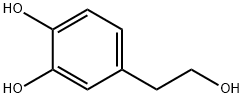
- 10597-60-1
- C8H10O3
- 154.16
- All (25)
- China (21)
- (25)
- 165035-84-7
- C40H56O2
- 568.87100
- All (19)
- China (2)
- (19)
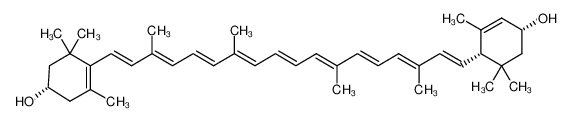
- 105452-20-8
- C40H56O2
- 568.87100
- All (19)
- China (2)
- (19)
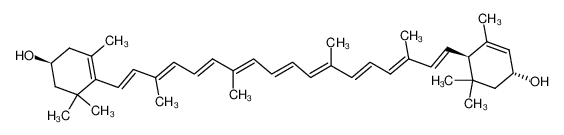
- 116947-92-3
- C40H56O2
- 568.87100
- All (19)
- China (2)
- (19)

- 112-80-1
- C18H34O2
- 282.46
- All (141)
- China (22)
- (141)
- 141903-93-7
- C17H35N
- 253.46600
- All (141)
- China (22)
- (141)
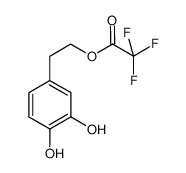
- 1056355-55-5
- C10H9F3O4
- 250.17100
- All (0)
- China (0)
- (0)
- 69039-02-7
- C10H12O4
- 196.2
- All (0)
- China (0)
- (0)
- 1345866-03-6
- C26H42O4
- 418.60900
- All (0)
- China (0)
- (0)
- 205241-38-9
- C16H24O4
- 280.35900
- All (0)
- China (0)
- (0)
Related Products More >

- 60-33-3
- USD 30.0000
- 25kg
- 93-83-4
- Request For Quotation
- 25kg/drum
- 93-83-4
- Request For Quotation
- Bottle,barrel,cargo,container,etc.
- 93-83-4
- Request For Quotation
- 93-83-4
- Request For Quotation
- 8051-88-5
- Request For Quotation
- 8051-88-5
- Request For Quotation
- 60-33-3
- Request For Quotation
- 1kg/bag;25kg/Cardboard Drum


Avocado oil has a higher smoke point, making it better for high-heat cooking.
Olive oil (especially extra virgin) contains more polyphenols, offering superior antioxidant benefits.
Why Both Oils Excel
Heart Health:
Both are rich in monounsaturated fats (oleic acid), reducing LDL cholesterol.
Nutrient Density:
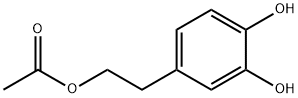
Olive oil has hydroxytyrosol; avocado oil has lutein (eye health).
Versatility:
Avocado oil suits frying; olive oil shines in dressings/low-heat cooking.
Smoke Point Comparison & Health Impact
Oil Smoke Point Best For Health Consideration
Avocado Oil 270°C (520°F) Deep-frying, searing Less oxidation = fewer harmful compounds.
Extra Virgin Olive Oil (EVOO) 190°C (375°F) Sautéing, dressings High polyphenols degrade at high heat.
Key Insight: For high-heat cooking, avocado oil’s stability makes it safer (less oxidative damage).
Essential Fatty Acid Differences
Fat Type Avocado Oil (%) Olive Oil (%) Health Role
Oleic Acid (Omega-9) 70 73 Lowers inflammation, supports heart.
Linoleic Acid (Omega-6) 12 11 Excess intake may promote inflammation.
Alpha-Linolenic Acid (Omega-3) 1 <1 Anti-inflammatory; avocado oil wins slightly.
Takeaway: Nearly identical profiles, but avocado oil has a trace more omega-3s.
Healthiest Oil by Cooking Method
High-Heat (Frying, Grilling):
Avocado oil (higher smoke point = less oxidation).
Medium-Heat (Sautéing, Baking):
Light/Refined Olive Oil (balanced stability & flavor).
No-Heat (Dressings, Drizzling):
Extra Virgin Olive Oil (EVOO) (maximizes polyphenols).
Study Note: EVOO’s polyphenols survive light sautéing (<180°C/350°F) (Food Chemistry).
How does smoke point impact their healthiness?
Avocado oil: Higher smoke point (271°C) makes it suitable for high-heat cooking (frying, grilling), reducing oxidation risks.
Olive oil: Lower smoke point (210–240°C for extra virgin) is ideal for low-heat uses (drizzling, salad dressings). Overheating either oil forms harmful aldehydes, but avocado oil’s stability minimizes this risk in high-temperature recipes.
What’s the difference in essential fatty acids?
Olive oil: Low in omega-3 (0.8g/100g) and omega-6 (9g/100g), prioritizing monounsaturates.
Avocado oil: Similar omega-3 (1.1g/100g) and omega-6 (13.5g/100g) but richer in omega-9 (oleic acid). Neither is a significant essential fatty acid source; nuts/seeds are better for omega-3.
Which oil suits different cooking methods?
High-heat cooking: Avocado oil (stable at high temps, preserves nutrients).
Cold/medium-heat uses**: Olive oil (retains polyphenols like oleuropein in dressings or sautés).
Raw applications: Extra virgin olive oil’s fruity notes enhance salads, while avocado oil adds neutral richness to smoothies.
Nutritionally, both oils are rich in monounsaturated fats, which are heart-healthy and can help reduce bad cholesterol levels. However, avocado oil contains higher levels of vitamin E, an antioxidant that helps protect the body from cellular damage. Olive oil, on the other hand, is packed with polyphenols, compounds that have anti-inflammatory properties and contribute to heart health.
In practical applications, avocado oil's high smoke point makes it ideal for searing, grilling, or frying foods where maintaining the integrity of the oil at high temperatures is crucial. For example, using avocado oil to fry eggs or potatoes ensures no burnt taste while providing a light flavor profile. Olive oil shines in dishes where its distinct flavor can be appreciated, such as drizzling over finished dishes or incorporating into cold dishes like salads. Key considerations include choosing the right type of oil based on the cooking method and desired flavor outcome. Understanding these differences allows consumers to make informed decisions about which oil best suits their culinary needs and health goals. This summary provides insights into the comparative benefits of avocado oil versus olive oil, highlighting their respective strengths and optimal use cases.