


 Home
Home
Why are so many farmers struggling with sleep problems after using pesticides for years? How exactly do these chemicals interfere with the body’s natural sleep processes and hormones? Are there safer ways for farmers to protect themselves while still managing pests effectively? What role does protective gear really play in reducing health risks, and why do many farmers still work without it? Could switching to organic farming or using less toxic methods improve their sleep and overall health? How can we better support these workers who face this tough choice between earning a living and risking serious health issues?
Why Are So Many Farmers Losing Sleep Due to Pesticide Exposure? How Can They Protect Their Health?
Related Encyclopedia
- 8041-44-9
- C13H16N2O2
- 232.27834
- All (70)
- China (50)
- (70)
- 1123858-21-8
- C13H13N2O2T3
- 238.30300
- All (0)
- China (0)
- (0)
- 471256-70-9
- C13H16N2O3
- 248.27800
- All (0)
- China (0)
- (0)
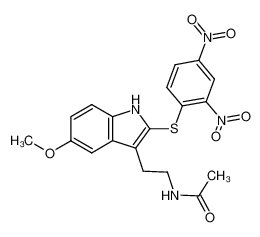
- 28772-49-8
- C19H18N4O6S
- 430.43400
- All (0)
- China (0)
- (0)
- 256345-45-6
- C19H30N2O2Si
- 346.53900
- All (0)
- China (0)
- (0)
- 650608-03-0
- C27H34N2O11
- 562.56600
- All (0)
- China (0)
- (0)
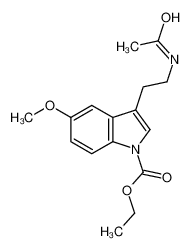
- 519186-54-0
- C16H20N2O4
- 304.34100
- All (0)
- China (0)
- (0)
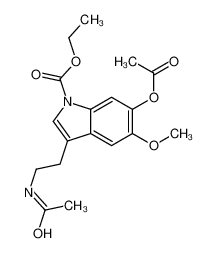
- 519186-55-1
- C18H22N2O6
- 362.38000
- All (0)
- China (0)
- (0)
- 98526-43-3
- C18H16N6O3
- 364.35800
- All (0)
- China (0)
- (0)
- 1449767-76-3
- C35H55N5O5
- 625.84200
- All (0)
- China (0)
- (0)
Related Products More >

- 73-31-4
- CNY 130.0000
- 25kg
- 73-31-4
- 1.0000
- GlassBottlekg
- 93515-00-5
- Request For Quotation
- 91465-08-6
- Request For Quotation
- 8041-44-9
- Request For Quotation
- drums
- 8041-44-9
- Request For Quotation
- 8041-44-9
- Request For Quotation
- 1kg/bag,25kg/drum,25kg/bag
- 8041-44-9
- Request For Quotation


Protective gear, like gloves and masks, really helps reduce exposure and lower health risks, but many farmers don’t use them—sometimes because of lack of awareness, discomfort, or cost. Still, using protective equipment can make a big difference in preventing health problems related to pesticides.
Switching to organic farming or using less toxic pest control methods could improve farmers’ sleep and overall health by cutting down their exposure to harmful chemicals. But many farmers feel trapped—they need to use pesticides to make a living, even if it harms their health. Supporting these workers means providing better education about safe pesticide use, ensuring access to protective gear, and encouraging safer farming practices so they don’t have to choose between their health and their livelihood.
Protective gear, including gloves and masks, significantly reduces pesticide absorption through skin and respiratory pathways. Studies in Spain reveal that farmers not wearing gloves face over three times the risk of insomnia compared to those who do, while mask non-users double their risk. However, many farmers forgo PPE due to economic constraints, lack of awareness, or cultural norms that equate pesticide tolerance with strength. For instance, Sudhakar Tasgave, a farmer in Maharashtra, India, works without gear for £6.90 daily, enduring chemical exposure that leaves lingering odors and skin irritation. This normalization of risk reflects systemic gaps in education and access to safety equipment, perpetuating a cycle of health decline.
Safer alternatives include organic farming and integrated pest management (IPM), which combine biological controls (e.g., natural predators), crop rotation, and mechanical traps to minimize chemical use. Farmers like Narayan Gaikwad, who transitioned to pesticide-free practices after developing nail dystrophy and insomnia, demonstrate the feasibility of such methods. Organic systems also reduce endocrine disruption by avoiding synthetic chemicals, thereby stabilizing melatonin and cortisol levels. However, adoption is hindered by higher labor costs and lower short-term yields, forcing many farmers to prioritize immediate income over long-term health.
The broader implications of pesticide-related sleep disorders extend beyond agriculture. In medicine, chronic sleep deprivation increases risks of cardiovascular disease, diabetes, and cognitive decline, straining healthcare systems. Industrially, labor productivity drops as farmers battle fatigue, while environmental contamination from pesticide runoff threatens ecosystems. Addressing this issue requires interdisciplinary collaboration: governments must enforce stricter pesticide regulations and subsidize PPE; agronomists should promote IPM through farmer training programs; and public health initiatives must raise awareness about chemical hazards. Only by integrating toxicology, economics, and policy can we protect rural workers from the silent trade-off between livelihood and health.
Furthermore, chronic pesticide exposure can cause neuroinflammation—an immune response in the brain—contributing to poorer sleep quality and conditions such as sleep apnea. For example, in farming communities in India and Spain, many workers report severe sleep problems after prolonged pesticide use, with symptoms ranging from difficulty falling asleep to frequent awakenings and even excessive daytime sleepiness.
Protective gear, such as gloves and masks, plays a crucial role in reducing pesticide absorption through skin and respiratory tracts, thereby mitigating some of these health risks. However, many farmers still work without adequate protection due to factors like limited awareness, discomfort, cost constraints, and social norms that sometimes equate enduring pesticide exposure with strength. This lack of protection increases their vulnerability to the harmful effects of pesticides.
Switching to organic farming or integrated pest management methods, which rely on biological, cultural, and mechanical pest controls rather than heavy chemical use, can substantially reduce pesticide exposure. This, in turn, may improve sleep and overall health outcomes for farmers. For instance, some farmers who transitioned to organic practices reported fewer health complaints, including improved sleep patterns.
Supporting these workers involves multifaceted efforts: educating them on safe pesticide handling, increasing access to affordable protective equipment, and promoting sustainable farming techniques that reduce chemical reliance. Addressing this silent trade-off between earning a livelihood and risking health requires systemic changes in policy and community support to ensure farmers do not have to compromise their wellbeing for survival.
Endocrine disruption constitutes a parallel pathway. Certain pesticides share structural homology with melatonin, competitively binding to MT1/MT2 receptors in the suprachiasmatic nucleus. Glyphosate, for example, alters shikimate pathway metabolites in gut microbiota that normally regulate serotonin (a melatonin precursor) production. This explains why urinary pesticide metabolites correlate strongly with delayed sleep onset and reduced REM sleep duration in epidemiological studies. The inflammatory cascade triggered by pesticide exposure further exacerbates sleep disturbances—elevated IL-6 and TNF-α directly suppress pineal gland melatonin synthesis while increasing blood-brain barrier permeability to neurotoxic metabolites.
Protective equipment efficacy depends on material science principles. N95 masks with activated carbon layers intercept 95% of aerosolized particles >0.3μm, but most farmers use cloth masks with <50% filtration efficiency. Nitrile gloves provide superior chemical resistance compared to latex, yet cost and availability barriers persist. Engineering controls like closed-system transfer devices could reduce dermal exposure by 90%, but remain inaccessible in developing agricultural economies.
Transitioning to integrated pest management (IPM) demonstrates measurable benefits. A 2023 longitudinal study of Thai farmers adopting IPM showed 62% improvement in sleep latency metrics within six months, attributable to reduced cholinesterase inhibition. Organic systems utilizing pheromone disruptors and biopesticides eliminate neuroactive pesticide exposure entirely, though require agronomic education to maintain yields. Policy interventions mandating circadian-friendly pesticide application windows (avoiding dawn/dusk melatonin surges) could mitigate disruptions while maintaining efficacy.
A critical misconception is that acute exposure symptoms predict chronic sleep impacts. In reality, subclinical neuroinflammation from years of low-level exposure causes progressive circadian dysfunction. Another oversight involves overlooking the dermal absorption pathway—many farmers mistakenly believe avoiding inhalation provides sufficient protection, while chlorpyrifos absorption through skin can exceed respiratory uptake by 10-fold. The solution matrix requires multidisciplinary collaboration: formulating less lipophilic pesticides that don't cross the blood-brain barrier, developing affordable PPE with nanofiber membranes, and creating economic incentives for circadian-conscious farming practices.